
Deebo Samuel 49ers Reunion: Why San Francisco Brought Him Back
One year, one old weapon, and one very 49ers kind of bet.
 Zane Miller5 min read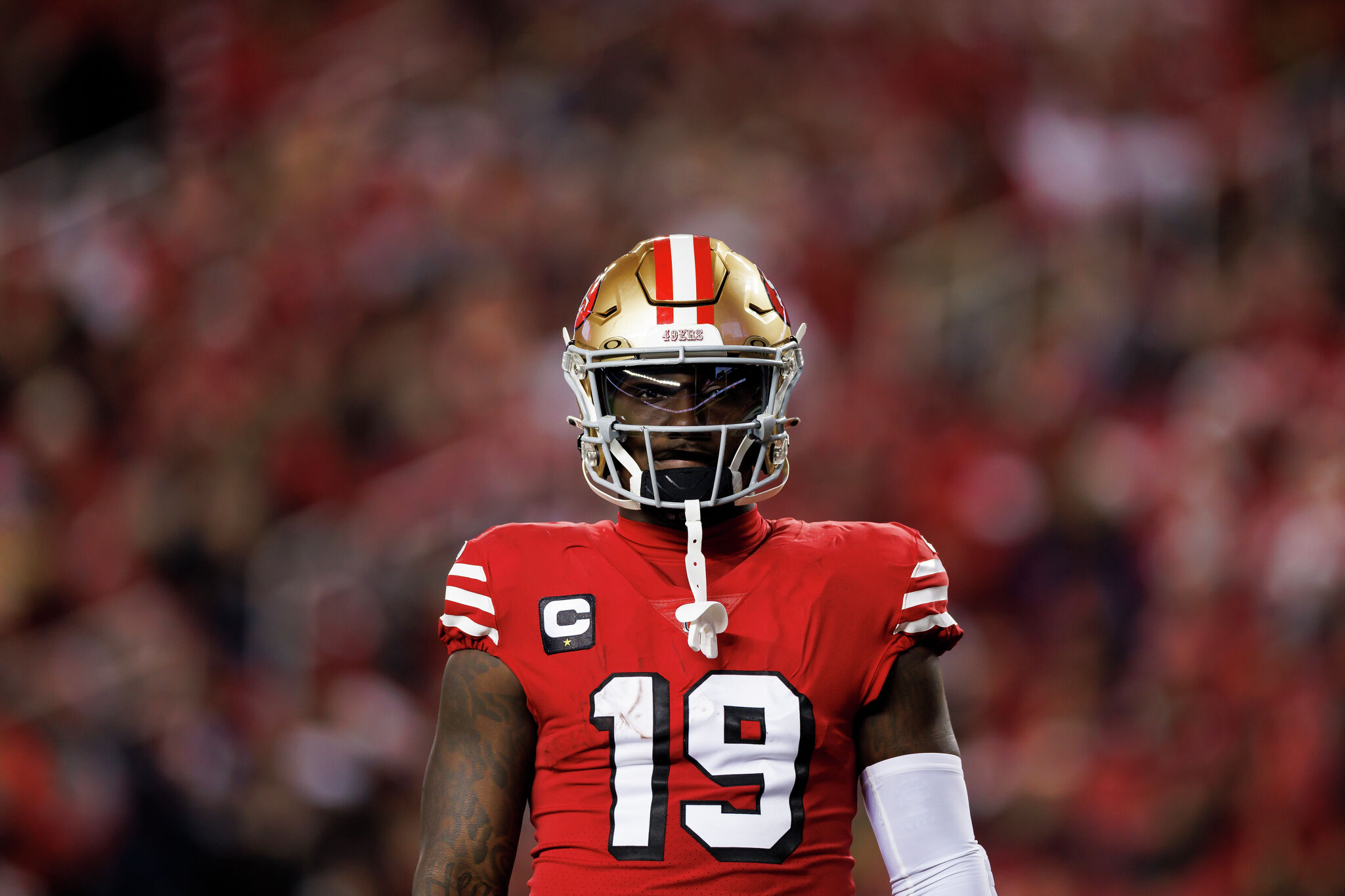
Deebo Samuel is back in the building, and if you’ve watched the 49ers long enough, you know what that means: Kyle Shanahan is reaching for a familiar hammer because he trusts the shape of his roster more than the market’s shiny alternatives.
San Francisco’s reported one-year reunion with Samuel lands at a telling moment. The 49ers appear ready to be without Ricky Pearsall, which trims their margin for error at receiver and pushes the front office toward a choice it knows well. Keep the offense layered. Keep the run game nasty. Keep the defense guessing. Deebo Samuel does all three when he’s right.
This is not a cute nostalgia move. It’s a roster move with purpose.
Why the 49ers wanted a familiar cheat code
There’s a reason the 49ers keep circling back to players who can bend structure, not just run routes. Shanahan’s offense is at its best when the defense has to account for motion, leverage, and who actually has the ball. Samuel has been one of the league’s cleanest answers to that problem for years. He can line up wide, stack in the slot, take touches in space, and turn ordinary spacing into a bad afternoon for a tackling unit.
That matters even more now because the San Francisco 49ers are not shopping for identity. They already have one. They needed a way to protect it.
If Pearsall is unavailable, the depth chart gets thinner in a hurry. Suddenly, you’re asking less-established pieces to absorb more of the offense’s volatile middle. That’s where Samuel helps. He steadies the layout. He gives Brock Purdy a target who can win before the play fully develops. And he keeps defenses from living comfortably in two-high looks and overcommitting to the edges.
One-year deal, big-picture message
The one-year part is the whole story here.
That kind of contract tells you the 49ers aren’t marrying a long-term cap problem. They’re buying a season. They’re betting that a proven player with a defined role can help them stay in the championship lane without clogging future flexibility. Smart teams do this when they still believe the window is open, but they also know the market has gone expensive and the roster can’t keep paying for every nice-to-have.
For Samuel, this also makes practical football sense. A shorter commitment keeps the pressure pointed toward production, which is where he’s always been most dangerous. He doesn’t need a full reset. He needs the right touches, the right usage, and a staff that understands his value isn’t just in box-score volume. It’s in how much the defense has to shift before the snap.
The 49ers have spent enough time building around efficiency to know what they’re buying here. They’re not chasing a brand name. They’re restoring a function.
This is what contenders do when they still trust their core: they stop overthinking the familiar.
How it changes the receiver room
Samuel’s return doesn’t automatically solve the wideout room, but it changes the tone of it.
If Pearsall is out, the team’s passing game can’t afford to be static. That’s where Samuel matters most. He can ease the load on the perimeter, absorb manufactured touches, and turn some of the offense’s “need a first down” snaps into something less stressful. He also gives Shanahan more room to package personnel groupings that force defenses to show their hand.
And this is where the cap and roster math gets interesting. Teams can talk themselves into waiting for a clean answer at receiver, but the market rarely hands out those answers for free once the season gets rolling. The 49ers know that. They’ve lived through enough deadline math, enough injury churn, enough “we’ll figure it out later” stretches to understand that later usually costs more.
If you want a parallel, look at how contenders across sports treat known commodities during a tightening window. They don’t always need the biggest move. They need the move that stabilizes the entire board. That’s why the Twins’ bullpen add made sense in a baseball context, and why this Samuel reunion makes sense here. Different sport, same logic: don’t let one weakness start cascading.
What this says about San Francisco right now
I’ll be blunt: this feels like a team that still believes it can win now, but no longer wants to pretend the path will be tidy.
That’s a good place for a front office to be if it’s honest with itself. Too many teams get trapped between “retool” and “run it back” and end up doing neither well. The 49ers are choosing something more coherent. They’re accepting the reality of the current roster, especially with Pearsall’s availability hanging over the room, and they’re bringing back a player who already knows the language.
I’ve always thought these reunions tell you more than the press release ever will. When a team circles back to a player like Samuel, it’s usually because the staff knows exactly where the offense stalled last time, exactly what kind of stress it wants to avoid, and exactly how quickly a season can drift if you ask too much of replacement-level answers. That’s not sentiment. That’s survival.
And yes, Samuel’s presence changes the ceiling a bit. Not because he single-handedly transforms the roster, but because he makes the whole operation less fragile. The 49ers don’t need him to be a one-man show. They need him to keep the machine from skipping a gear.
That’s a very San Francisco move. Familiar. Aggressive. A little expensive in spirit, even if the contract itself is short.
The next question is usage, not hype
The real test now is deployment. Does Samuel become the movable piece that frees up the rest of the offense, or do the 49ers lean on him too heavily and flatten what he does best? That answer will tell you a lot about how the coaching staff sees the current roster.
If they use him like a feature mismatch, this can pay off quickly. If they ask him to carry too much, the shine comes off fast. The good news for San Francisco is it doesn’t sound like this was built for optics. It sounds built for football.
And that’s why this matters. The 49ers didn’t just add a name. They reinstalled a function they trust.
Now it’s on them to use it before the season forces their hand.
More from Straight From The Bench
Comments
Join the conversation — sign in to leave a comment.
Sign in to commentRelated Stories

Chris Olave Saints Extension: New Orleans locks in its WR1
Chris Olave is staying in New Orleans through 2030, and the Saints just put a huge price tag on stability. This is a bet on their passing future—and their quarterback plan.
Seahawks Training Camp Pads: First Full Hitting Day After Super Bowl
Seattle finally turned the volume up at the VMAC. Pads came on, the hitting started, and the first real camp tells you a lot about who’s ready.
.jpg?w=1120&h=630)
Jeff Ulbrich Wife Cristina Ulbrich Dies After Cancer Diagnosis
The Falcons confirmed the death of Cristina Ulbrich, wife of defensive coordinator Jeff Ulbrich, after her cancer diagnosis. The NFL family is showing up the way it should.