
Deion Sanders Colorado loss: players laughing after Northwestern
The score was ugly, but the sideline body language may have been uglier.
 Beatrice Kensington5 min read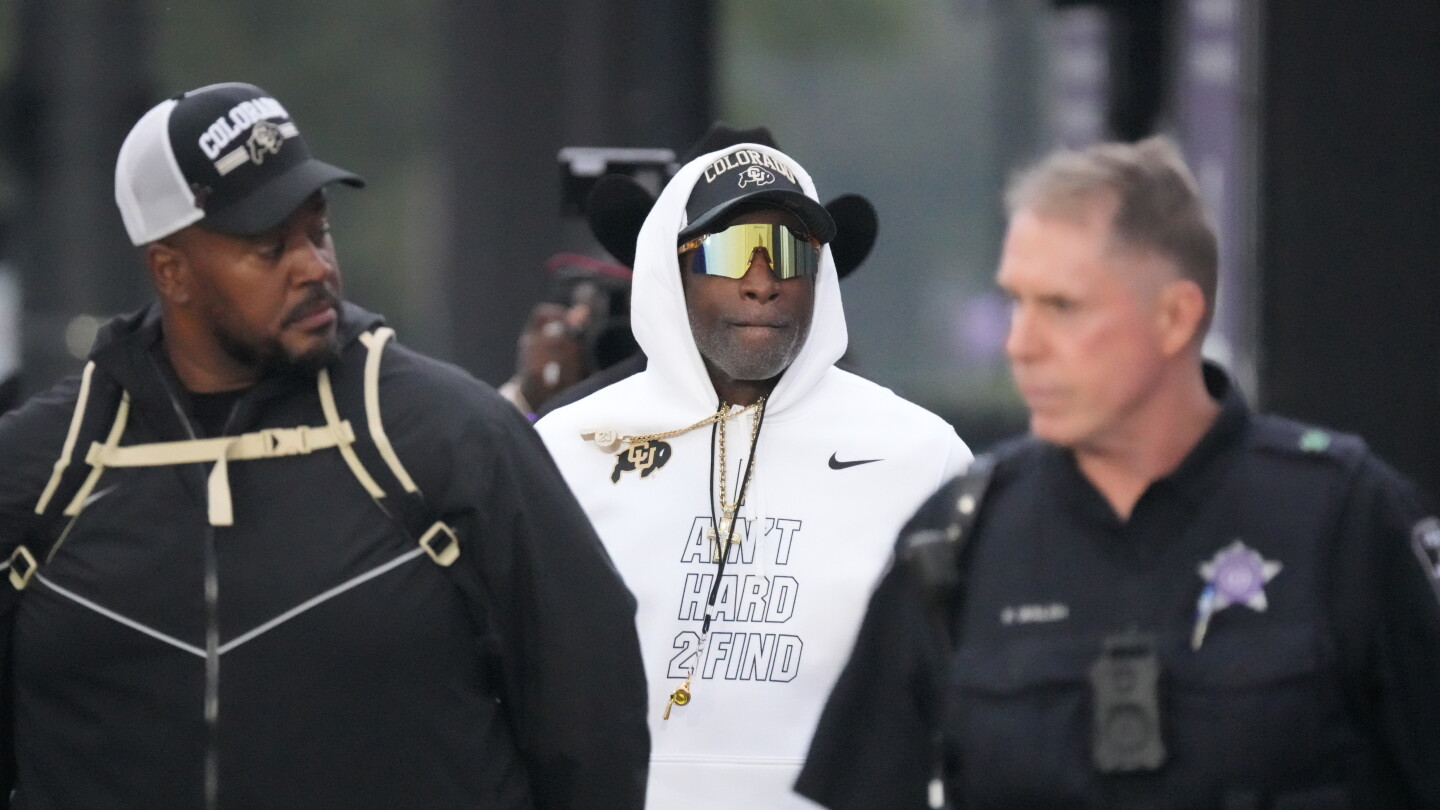
A blowout that asked bigger questions than the final score
Colorado’s 41-7 loss to Northwestern was the sort of afternoon that strips away the glamor, the slogans, and the carefully managed shine. What remained, in the harsh light after the final whistle, was a coach plainly displeased that some of his players were laughing and carrying on as if the room had not just collapsed around them.
That reaction matters because Deion Sanders has spent nearly two years trying to redefine what Colorado football looks like under his watch. This has never been merely about wins and losses, though the wins have been too scarce for comfort. It has been about standards, about posture, about teaching a program to carry itself like a serious football team rather than a traveling spectacle. When the scoreboard turns brutal, the smallest details become loud. A grin on the sideline can read as defiance, or denial, or simply immaturity. Sometimes it is all three.
The problem was not laughter. It was what the laughter suggested.
Sanders has never been shy about demanding accountability, and in his own way he has made discipline part of the brand. That is why this moment lands harder than a routine postgame scolding. A coach can survive an ugly loss. What he cannot afford, especially at a place still trying to prove its backbone, is a team that appears to drift emotionally while being punched in the mouth.
That is the real wound here. Not the jokes. Not the optics alone. The deeper issue is whether Colorado’s players understood the weight of the afternoon, the kind of loss that should make a locker room feel heavy and quiet. There is a reason veteran coaches long treated the aftermath of embarrassment as sacred territory. You don’t have to love every beat of it, but you have to respect it. A team that treats humiliation lightly often repeats it.
It is the same old college football law: talent can sparkle, but culture endures.
Sanders’ standard has always been the point
This is where Sanders’ personality becomes part of the job description. He recruited into Colorado with the confidence of a man who believed he could accelerate the timeline, and he has never hidden from the consequences of setting the bar that high. When you make the program feel bigger, every failure feels bigger too.
He has fought that battle in public before, and he will fight it again. There is no mystery about his message. He wants focus, edge, and a sharper understanding of what representing Colorado is supposed to look like. For Sanders, sloppiness is not just a football flaw; it is a cultural insult. That belief can be exhausting from the outside, but it also gives the program a coherent identity, which is more than many rebuilding teams can say. If you want to understand the emotions around this loss, the parallel is not some random upset. It is the long history of coaches trying to turn swagger into structure. Sometimes it works. Often it takes longer than the fan base wants to admit.
I have always believed that the hardest thing in sports is not building excitement. It is building habits. Excitement arrives with a camera crew and a new era and a few viral moments. Habits arrive on a cold Sunday review, after a humiliating Saturday, when the coach is staring at body language that tells him more than any stat sheet can. Sanders knows this better than most because he has lived his entire public life in the glare. He understands that a program can look forceful on the outside while still being soft in all the places that matter.
What this means for Colorado’s locker room
The next layer is the one that really decides seasons: how the room responds. A coach can address laughter. He can correct tone, repair boundaries, and make his expectations unmissable. What he cannot do overnight is manufacture buy-in from players who may still be learning whether Colorado’s standards are real or merely rhetorical.
That is why losses like this are dangerous. They are not just losses. They are tests of leadership, trust, and emotional maturity. The team’s response this week will tell us far more than the final score ever could. If the message lands, Colorado can use the embarrassment as a reset. If it does not, then the concern is larger than one bad Saturday and reaches into the fabric of the program itself.
For fans tracking the broader Sanders project, this moment rhymes with other recent flashes of friction around high-profile college programs, including the sort of sideline and culture scrutiny that has followed teams such as Michigan Football and the emotional pressure that comes with a national spotlight. Colorado does not get the luxury of being anonymous. Every frown, every laugh, every postgame glance gets interpreted as evidence.
When the losing is this loud, body language becomes its own box score.
The lesson here is bigger than one bad Saturday
Sanders did not build Colorado to be treated gently. He built it to be judged. That is the bargain. And if some players were laughing after a collapse, then the coach’s anger is not overreaction; it is stewardship. He is protecting the idea of the program from the casual erosion that can begin with one careless moment and end with a team that no longer knows how to carry itself.
The hard truth is that Colorado still has to prove it can suffer well. That sounds quaint until you remember how many seasons are won in the aftermath of embarrassment. Teams reveal themselves not only in their best drives, but in the quiet, bruised hours after they have been stripped down by a better opponent.
Sanders will get his chance to reset the tone. The players will get theirs too. The next practice should tell us plenty. So will the next huddle.
More from Straight From The Bench
Comments
Join the conversation — sign in to leave a comment.
Sign in to commentRelated Stories
BYU vs Colorado State: Apology Over Derogatory Chants
Colorado State apologized after crowd chants targeted BYU’s faith during a 41-23 Cougars win. The football was only part of the story in Fort Collins.

Michigan Football vs UTEP: 4 winners, 2 losers from blowout
Michigan shook off a flat opening and buried UTEP 52-17. The final score was tidy; the first quarter was not, and that contrast says plenty.

Oklahoma vs New Mexico: John Mateer’s turnovers darken Week 3
Oklahoma’s home date with New Mexico has turned into an early warning light, with John Mateer throwing two interceptions before halftime. The score matters less than the shape of the unease.