
Eagles Lane Johnson Retirement: End of a Philadelphia era
The right side of the line just lost one of its rarest constants.
 Beatrice Kensington6 min read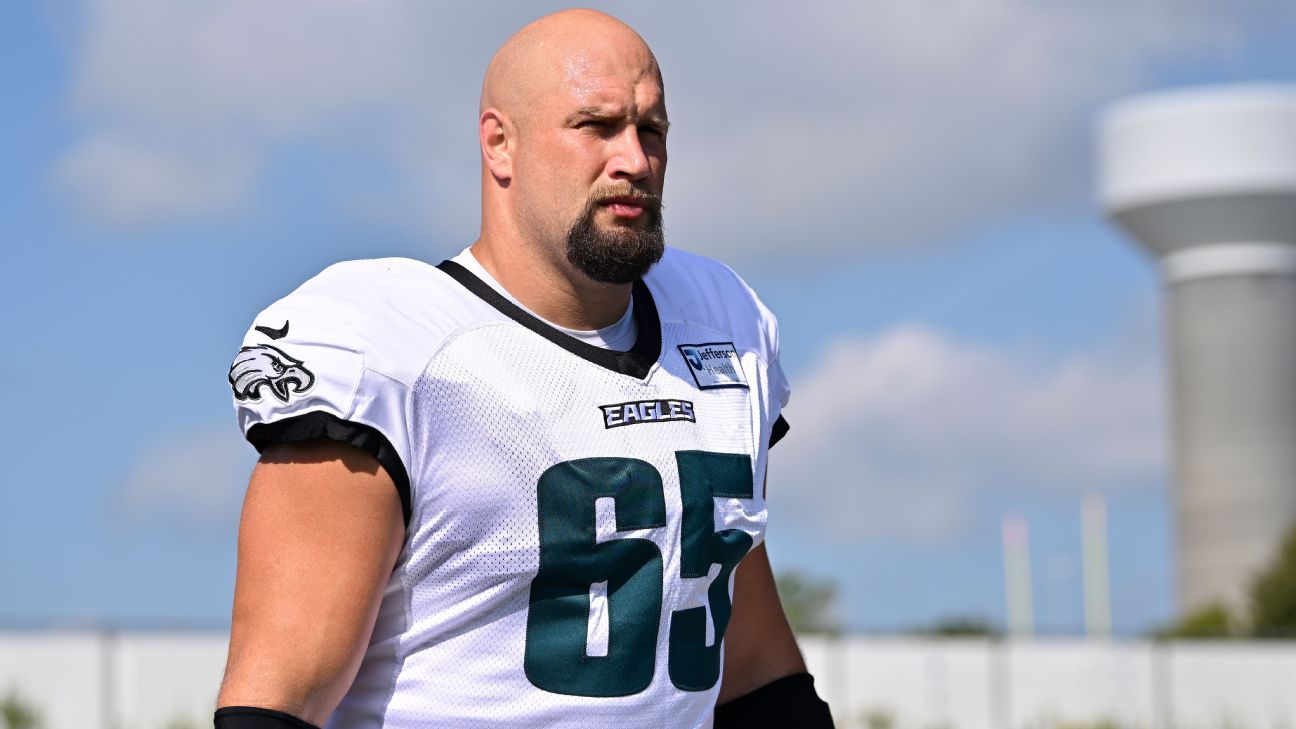
Lane Johnson did not leave Philadelphia the way so many big names do, with months of noise and a farewell tour that drapes itself over every snap. He slipped out of the frame the way elite right tackles often do: by making the hardest job on the field look routine, then stepping away almost before the rest of us realize the scaffolding is gone.
The Eagles confirmed on Tuesday what had been gathering in the air since Johnson was a surprise inactive on Sunday. After 14 seasons, all of them in midnight green, the two-time All-Pro right tackle is done. That sentence lands with the heavy finality of an old bell. Philadelphia has lost stars before, but this one feels different because Johnson was never just a star. He was a structural beam.
The tackle who made chaos manageable
Every contender needs a player who can absorb disorder and make it seem organized. In Philadelphia, Johnson was that player for more than a decade. Quarterbacks grew old behind him. Playbooks changed. Coaches came and went. The city did what it always does — demanded more, faster, harder — and Johnson kept meeting it with long arms, quick feet and a temperament that seemed built for weathering contact.
His value was never merely statistical, though the numbers around his career tell a plain enough story. Johnson helped anchor one of the league’s defining offensive fronts and became the kind of lineman opposing coordinators had to account for before a single ball was snapped. That is the quiet currency of great tackles. They do not decorate highlights so much as they prevent disaster from ever appearing on the screen.
Johnson’s retirement also closes a chapter in the Eagles’ long relationship with trench excellence, a tradition that runs from the bruising identity of earlier eras to the modern obsession with protection and timing. If you want a reminder of how much line play shapes everything else, look no further than the way Philadelphia has been able to build around its edges, both on offense and defense, when the foundation has held.
Why this hits harder in Philadelphia
There are franchises for which an offensive tackle is an appreciated specialist. Philadelphia is not one of them. This is a city that understands labor, that respects players who do the unglamorous work, that can smell fraud in a hurry. Johnson fit the place because he was both technically brilliant and visibly willing to fight through the grime.
He was also a rare kind of constant in a league that chews through constancy like paper. Fourteen years with one team is not a footnote; it is a monument. The modern NFL treats continuity as a luxury and loyalty as a transaction. Johnson turned that logic inside out, remaining exactly where he started while the league around him lurched from one churn cycle to the next.
That permanence matters. Ask any quarterback, any running back, any play caller. The right tackle is where confidence begins to harden into style. Protection on that edge shapes route depth, play-action rhythm and the very sense of calm an offense can carry into a stadium full of noise. Lose that, and the whole machine has to relearn its balance.
What the Eagles are losing beyond pass protection
Johnson’s departure is not just a roster hole. It is an institutional one. Younger linemen lose the veteran who knew when to reset a huddle’s temperature. Coaches lose the player whose presence made difficult choices easier. The team loses a tone-setter, and those are harder to replace than Pro Bowl nominations suggest.
The immediate football question is obvious: who becomes the steady hand on the edge, and how much does the offensive design have to bend around that answer? Philadelphia has spent years trying to keep its identity intact through injuries, transitions and roster retooling. But an organization can only lose so many cornerstones before the architecture starts to wobble.
The human question is larger and more interesting. Johnson spent his career in one place, became one of the best to ever do his job there, and now walks away without the staged drama that modern sports often mistakes for sincerity. There is a dignity in that. There is also a warning.
Great linemen vanish in plain sight until the day the line is gone.
If you want to understand why this retirement resonates, compare it to the way fans react when a great quarterback leaves. Those departures are loud because the ball is always in the hand. But line play is where the game’s invisible bargains are made. Johnson negotiated those bargains for 14 seasons, and the Eagles lived in the interest he generated.
A first-person note on what this kind of exit means
I have always believed the smartest teams build their public mythology around glamour and their private success around men like Lane Johnson. That is not romanticism; it is how the league works. The backs of jerseys sell the dream. The tackles preserve it.
When a player like Johnson retires, what goes missing is not only excellence but memory — the sense that a franchise has a spine that stretches across eras. I think of linemen as custodians of trust. They are the ones who let a city believe the play can survive one more beat, one more step, one more collision at the edge. Philadelphia has had its share of glittering names. Johnson was something rarer. He was part of the team’s grammar.
And there is a sobering lesson here for every contender with aging pillars hiding in plain sight: the cliff is often not dramatic. It is administrative. One week a veteran is present, the next he is not, and the offense must discover how much of its confidence belonged to him all along. That is the real cost of retirement in a sport that pretends it can always replace the irreplaceable.
The next Eagles era starts with a hole no draft pick can quite fill
Philadelphia will sort the depth chart, of course. Teams always do. That is the business. But sorting is not solving, and the Eagles now face a version of the future that requires more than plugging a name onto a line card.
Johnson’s career in green ends as it began, with the league mostly acknowledging his value only after it is gone. The Eagles will move on because football demands it. The city will, too, eventually. Yet the outline of his absence will show up early and often — in the pocket, in the cadence, in the small mercies that keep a season from tilting.
The right side just got quieter. Philadelphia will hear it soon enough.
More from Straight From The Bench
Comments
Join the conversation — sign in to leave a comment.
Sign in to commentRelated Stories

Fantasy Football Waiver Wire Week 5: Emanuel Wilson, Keaton Mitchell Top Pickups
Week 5 waivers are where patience gets rewarded and hesitation gets punished. Emanuel Wilson and Keaton Mitchell headline a market built on urgency, scarcity and a little bit of luck.
Lamar Jackson Injury Update: Outside Chance for Week 5
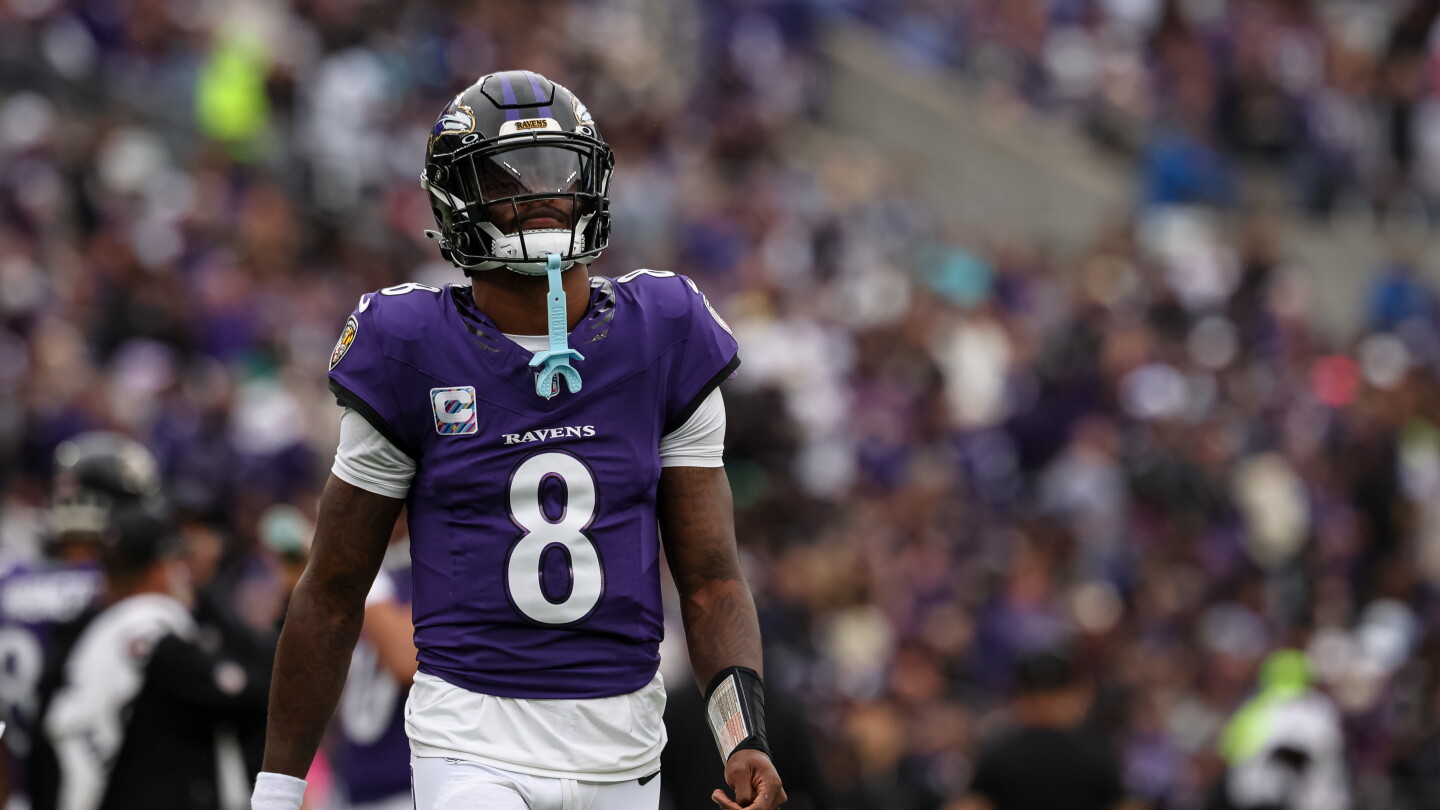
Lamar Jackson is trending toward missing Week 5 in Atlanta, and that puts Tyler Huntley back in the spotlight. For the Ravens, this is about more than one Sunday.

Patriots Injury Update: List Grows, but New England Has a Break
New England’s injury list is still ugly, but the timing matters. The Patriots are coming off a statement win, and that gives the staff a little room to manage the mess.