
Eagles vs Commanders coaching blunders: Sirianni, Quinn fail late
Two sideline brains, two clock crimes, and the same old NFL cruelty
 Beatrice Kensington5 min read
The clock became the enemy in two different cities
Sunday delivered a familiar kind of NFL ache: the sort that begins with a huddle, hardens into hesitation, and ends with a coach staring at a scoreboard as if it has personally betrayed him. In Philadelphia and Washington, Nick Sirianni and Dan Quinn found themselves in the oldest and least forgiving theater in football — the late-game decision, when every second is a witness and every timeout feels like a confession.
Coaches are hired for these moments. Not the opening script. Not the motivational wallpaper. The last five minutes. The league pays handsomely for poise under pressure, for a clean grasp of situation, for the kind of internal metronome that hears urgency before the stadium does. On Sunday, both men seemed to lose the beat.
Sirianni, Quinn, and the cost of hesitation
The Eagles have spent enough of the Sirianni era wandering through stretches of brilliance and exasperation to know that style is not the problem. The problem is control. Philadelphia can look like a team with a heavyweight’s hands and a middleweight’s discipline — capable of landing a punishing series, then surrendering the rope with a needless flourish. When a game tightens, that becomes a coaching story whether the coach wants it or not.
Washington’s day carried a different flavor but arrived at the same table. Quinn arrived with a reputation built on structure, steadiness, and the promise that the chaos would be organized into something useful. Yet late-game football has a habit of stripping all that down to one merciless question: did you know what was happening fast enough to act on it? The cruel answer, on Sundays like this, is often no.
In the NFL, time management is never just time management. It is authority. It is whether a team believes its sideline can think clearly while the crowd is roaring and the game is slipping sideways.
Why these failures sting more than a single loss
A bad final sequence does more damage than one entry in the loss column. It stains the mood of a locker room, because players know the difference between being beaten and being mismanaged. They can live with the former. The latter lingers.
That is why coaches become so vulnerable in these moments. The public sees a timeout burned at the wrong time or a challenge kept in the pocket too long, but the locker room sees the deeper issue: can the sideline anticipate trouble, or only react after it has already become a problem? That question follows a team for weeks. Sometimes for a season.
Philadelphia’s standard, fair or not, is always high enough to make these lapses feel like a character flaw. Washington, perpetually trying to climb out from under years of instability, cannot afford to hand away composure at the precise moment it needs to look like an adult franchise. The NFL is punishing enough without self-inflicted confusion.
The modern NFL demands more than instincts
There was a time when coaches could survive these afternoons by hiding behind effort and vague talk about execution. Not anymore. The modern game has narrowed the margin between genius and embarrassment to the width of a play clock. If the arithmetic is off, the crowd knows. The broadcast booth knows. The opponent certainly knows.
That is why the best late-game coaches feel almost mechanical in their calm. They have already decided what they will do when the third-down stop comes, when the two-minute warning arrives, when the clock shrinks to its meanest version of itself. They do not improvise their way into confidence. They bring the answer with them.
And because the league is now so analytically literate — every decision graded in real time, every delay photographed from six angles — bad process is no longer a private sin. It is public theater. Sirianni and Quinn both stepped into that spotlight and, for a few brutal minutes, looked unready for the script.
My read: this is where reputations bend
I have watched enough football to know that a single late-game mistake is not always a diagnosis. Sometimes it is simply a coach tripping over a nasty moment, the way even the best of us can under stress. But when two coaches on the same Sunday make the kind of errors that invite the same critique — uncertainty, slippage, poor command of the clock — the larger story is not about one bad sequence. It is about organizational trust.
My own suspicion is that Philadelphia will remain trapped in a familiar tension: enough talent to threaten the league, not enough sideline serenity to make that threat feel inevitable. Washington, meanwhile, is still searching for proof that competence can become habit rather than occasion. Quinn’s job is not merely to win; it is to make the Commanders look like they know what winning looks like before the final minute arrives. That distinction matters. The league is full of teams that can be dangerous for three quarters. The truly dangerous ones close the door without fumbling for the handle.
The historical echo here is plain enough. Great teams are often separated from merely good ones by the smallest of administrative virtues: a timeout saved, a substitution made on time, a challenge withheld, a play call chosen before panic sets in. The glamorous part of football gets the magazine covers. The administrative part wins February dreams.
What to watch next in Philadelphia and Washington
The next few weeks will tell us whether Sunday was a bad afternoon or a revealing one. For Sirianni, the issue is whether the Eagles can tighten the margins without sanding down the aggression that makes them dangerous. For Quinn, it is whether Washington can turn structure into certainty and stop living one bad late-game choice away from a postmortem.
Both coaches will be judged less by what they say this week than by what their teams do when the next game is on the line and the clock begins to feel shorter than it is. That is the whole bargain.
And the NFL, as ever, will ask again.
More from Straight From The Bench
Comments
Join the conversation — sign in to leave a comment.
Sign in to commentRelated Stories
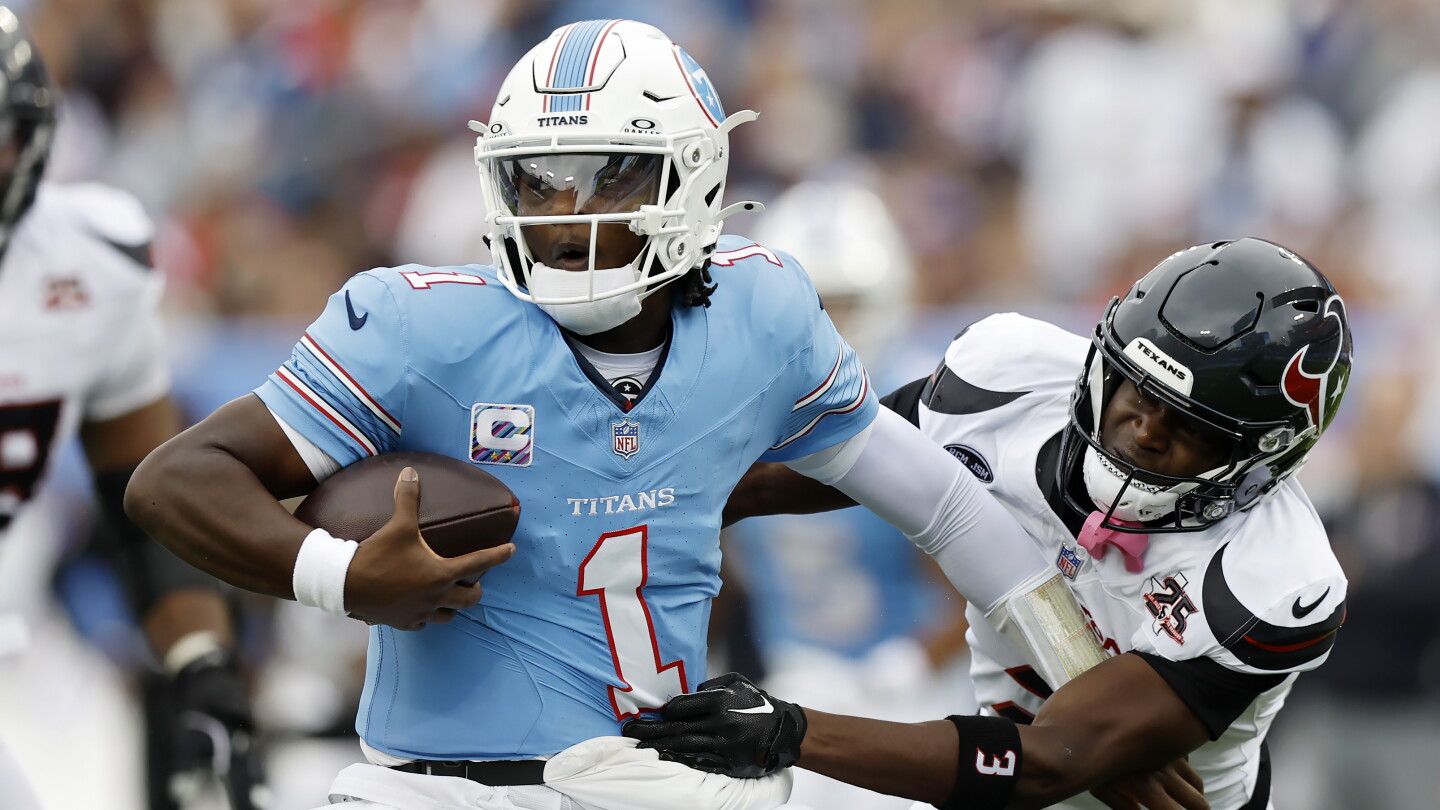
Cam Ward Starting Quarterback: Titans Reset After Texans Loss
The Titans are done pretending this can wait. Cam Ward is the starter now, and the rest of the season just turned into a referendum on the rebuild.
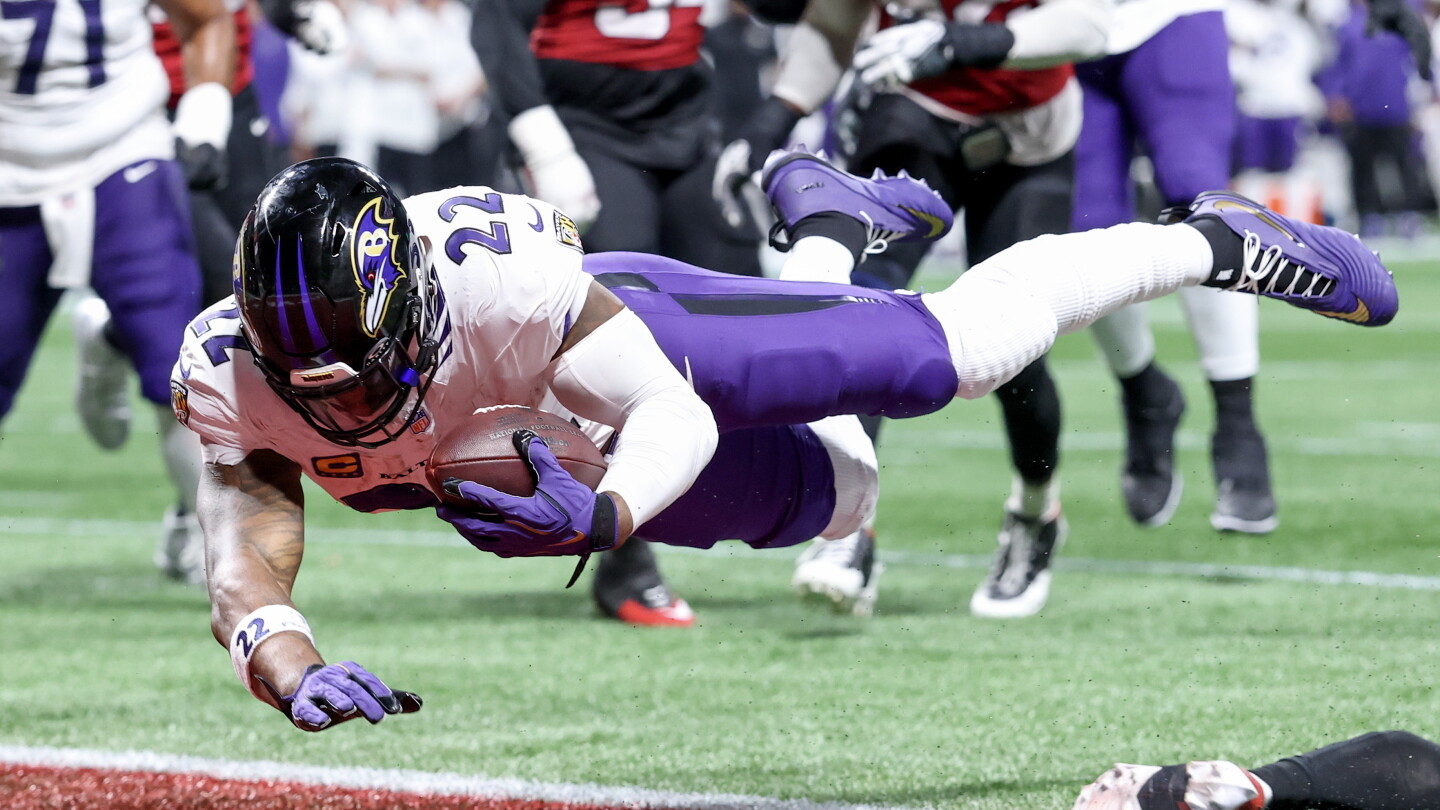
Ravens vs Falcons: Baltimore rallies late to win in overtime
The Ravens turned a dead game into a victory with a furious late push, while Atlanta left with questions after Michael Penix Jr. exited injured.
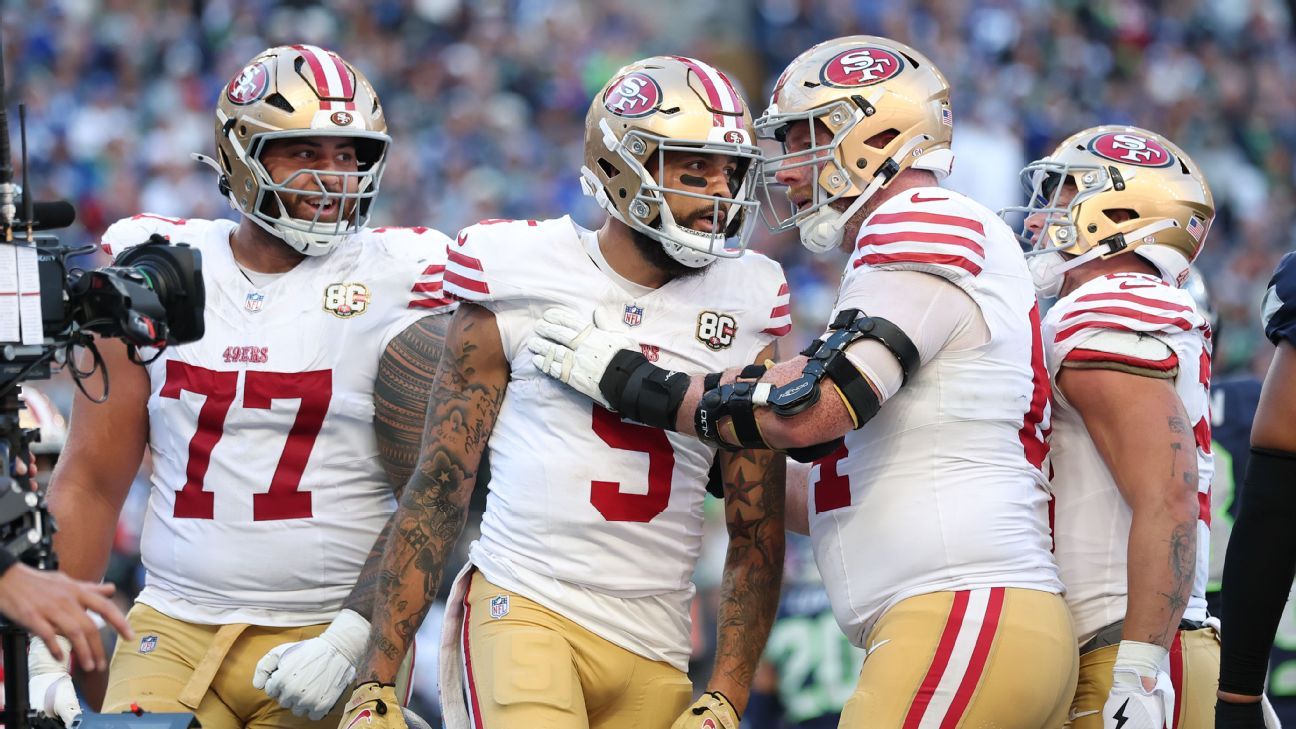
Mike Evans 49ers Win: Seahawks Rivalry Breakout in Seattle
Mike Evans ripped through Seattle with 113 yards and a touchdown, and the 49ers keep stacking wins while the rest of the division tries to keep up.