
Eight Left Standing, and the World Cup Finally Feels Like a Reckoning
 Beatrice Kensington6 min read
The tournament has reached its cleanest, cruelest hour
Ninety-six matches have been spent like coins from an overfull purse, and now the FIFA World Cup has narrowed to the sort of stage where every touch begins to feel like a verdict. Eight teams remain, which is the prettiest number in knockout football: enough to suggest variety, not so many that chaos can still pretend to be democracy. The group stage, with its accumulated bruises and minor miracles, is gone. The round of 16 has done its usual work, separating the disciplined from the merely dangerous, the fortunate from the doomed, the sides with backbone from the sides with only a story.
This is the point where a World Cup stops being a festival and becomes a pressure chamber. Each of the final eight carries a different kind of burden — the weight of expectation, the burden of history, the memory of old exits, the knowledge that one bad bounce can erase three weeks of careful labor. And because this tournament is being spread across the scale of the United States, the atmosphere has felt both grander and more diffuse, like a cathedral built across several zip codes. The distances are vast. The stakes, by contrast, are brutally compact.
Why the quarterfinal line is where reputations harden
Quarterfinals are where the World Cup stops forgiving passengers. By this point, the prettier lies have usually been exposed. A team that has been living off possession without incision, or defending through sheer habit, is asked for one last adjustment and often has none left to give. The side with the sharper bench, the colder head, the better set-piece routine — these are the teams that start looking less like contenders and more like destiny with a training plan.
What makes the final eight of 2026 so fascinating is that the tournament’s scale has only sharpened the old truths. More teams, more games, more travel, more rotating legs, more chances for the supposedly superior side to drift into vulnerability. Yet by this stage, the contenders that remain have usually done one of two things: either they have won with authority, or they have survived because their goalkeeper, their center backs, or their most ruthless forward refused to blink. In knockout football, survival is a skill. So is timing.
There is also the matter of history, that stubborn companion to every World Cup. The quarterfinal round is the shelf where champions often reveal themselves. It is not glamorous. It is not forgiving. But it is where a nation starts to believe it can carry a dream all the way to the final weekend, and belief is a combustible thing when packed inside a stadium full of strangers. For the players, it can mean the difference between being remembered as a good squad and being folded into national mythology.
In a World Cup, the quarterfinal is where talent stops being enough and nerve begins to count double.
The favorites will be judged on whether they can win ugly
The teams that enter this stage with the brightest reputations are always asked the same difficult question: can they do it when the match turns ugly? Can they handle the spell when the ball refuses to sit kindly, when the crowd grows nervous, when the opponent decides the proper plan is to drag the contest into the mud and make everyone else follow?
That question matters because World Cup glory is rarely built on elegance alone. You can arrive with the better midfield, the more expensive attackers, the louder credential sheet, and still end up trapped by the oldest football truths: one moment of defensive hesitation, one rushed clearance, one set piece conceded in the wrong place. The quarterfinals do not reward aesthetics. They reward authority under stress.
The teams that have reached this point will be carrying distinct emotional weather. Some will be burdened by expectation — the sort that hangs over traditional powers the way storm cloud hangs over a harbor. Others will carry freedom, that rare tournament gift of being undernoticed and therefore undercooked by fear. The free side can play with a lighter step. The burdened side plays with a history book strapped to its back.
That difference matters in every branch of the bracket.
Who benefits when the field gets smaller
There is always a temptation to treat the final eight as a simple ranking exercise, as if the strongest roster will naturally rise through the thinning air. Football rarely behaves that neatly. A compact, organized team with a dependable goalkeeper and a forward who needs only one chance can spoil an empire before dinner. The reduced field favors clarity more than talent alone. It favors teams that know exactly what they are, and exactly what they are not.
It also favors players who can be trusted to make the same good decision under duress that they made in the calmer stretches of the tournament. Quarterfinal football has a way of exposing the nervous system. Some players shrink when the pass lane tightens. Others keep looking through the noise, and those are the ones who turn into champions. We remember the goals, of course, but the World Cup is often decided by the composure before the goal, the clipped clearance, the patient recycle, the refusal to panic in one’s own penalty area.
The expanded format of 2026 has created more room for intrigue, but not more room for carelessness. If anything, the broader path has made this last stretch more exacting. To survive 96 matches and arrive among the final eight is not merely to be good; it is to have endured multiple versions of the same examination and passed enough of them to remain standing.
What this says about the modern World Cup
I have always believed the World Cup is at its most revealing not when it crowns the final champion, but when it strips the field to a handful of teams and asks a simpler question: who can bear the moment without mistaking it for decoration? This edition, with its swollen calendar and sprawling geography, has only made that question sharper. The scale may be larger, but the human drama is the same old, fragile thing — legs tiring, minds racing, entire nations leaning into a ninety-minute spell as if leaning harder might alter physics.
We have seen this movie before, of course, in Brazil, in Germany, in Argentina, in nations that know how to turn national pressure into a hardened edge. The deeper lesson is not that history repeats itself. It is that the teams who win these tournaments tend to be the ones who accept the burden instead of resenting it. They do not ask for easier conditions. They impose their shape on the mess.
My own feeling, after watching enough of these tournaments to know how quickly certainty turns to ash, is that the 2026 champion will not be the side with the prettiest route, but the one that has learned how to survive the ugliest twenty minutes of its life. That may sound unromantic. It is. The World Cup is a romance only until it becomes a ledger. Then the numbers and the scars start talking.
The final eight have arrived at the narrow gate. One mistake now carries the sound of a door slamming. One moment of calm may be enough to open the whole tournament up. That is the delicious, merciless beauty of it. Just eight matches left. And everything still to be lost.
Comments
Join the conversation — sign in to leave a comment.
Sign in to commentRelated Stories

Infantino’s North America Tour Keeps Turning Into a FIFA Problem
Gianni Infantino came to bask in the World Cup glow. Instead, his sideline behavior and the optics around U.S. match management keep dragging FIFA deeper into the spotlight.

Norway’s Quiet Prep Turns Into a Hotel Shuffle Before England
A quarterfinal should be about tactics, legs and nerves. Norway got a little less sleep than it wanted, and that matters more than the glossy folks admit.
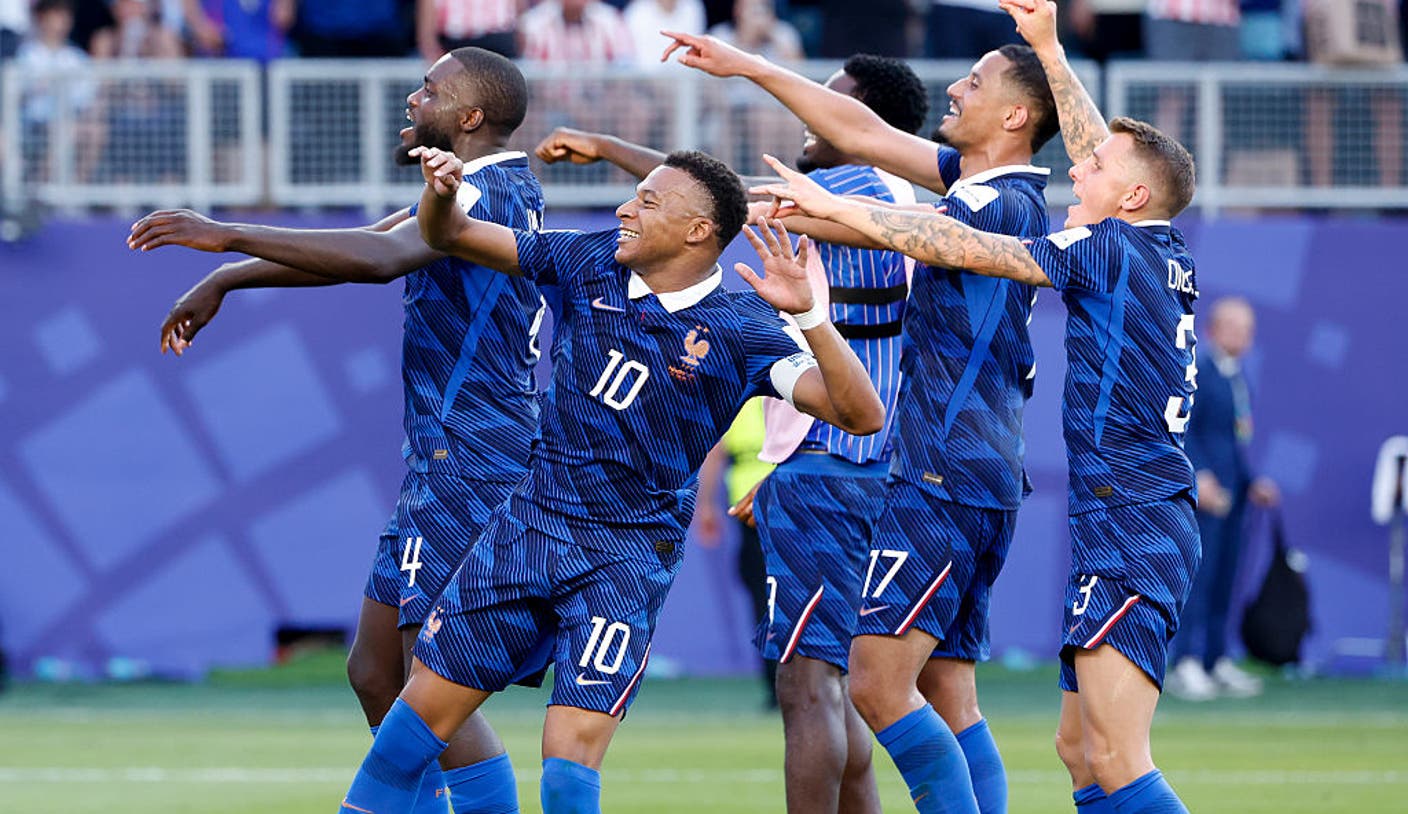
France, Morocco, and the Quarterfinal That Still Feels Like a Reckoning
France brings the stars; Morocco brings the memory. In Boston, this quarterfinal carries the weight of history, ambition, and unfinished business.