
France, Morocco, and the Quarterfinal That Still Feels Like a Reckoning
 Beatrice Kensington6 min read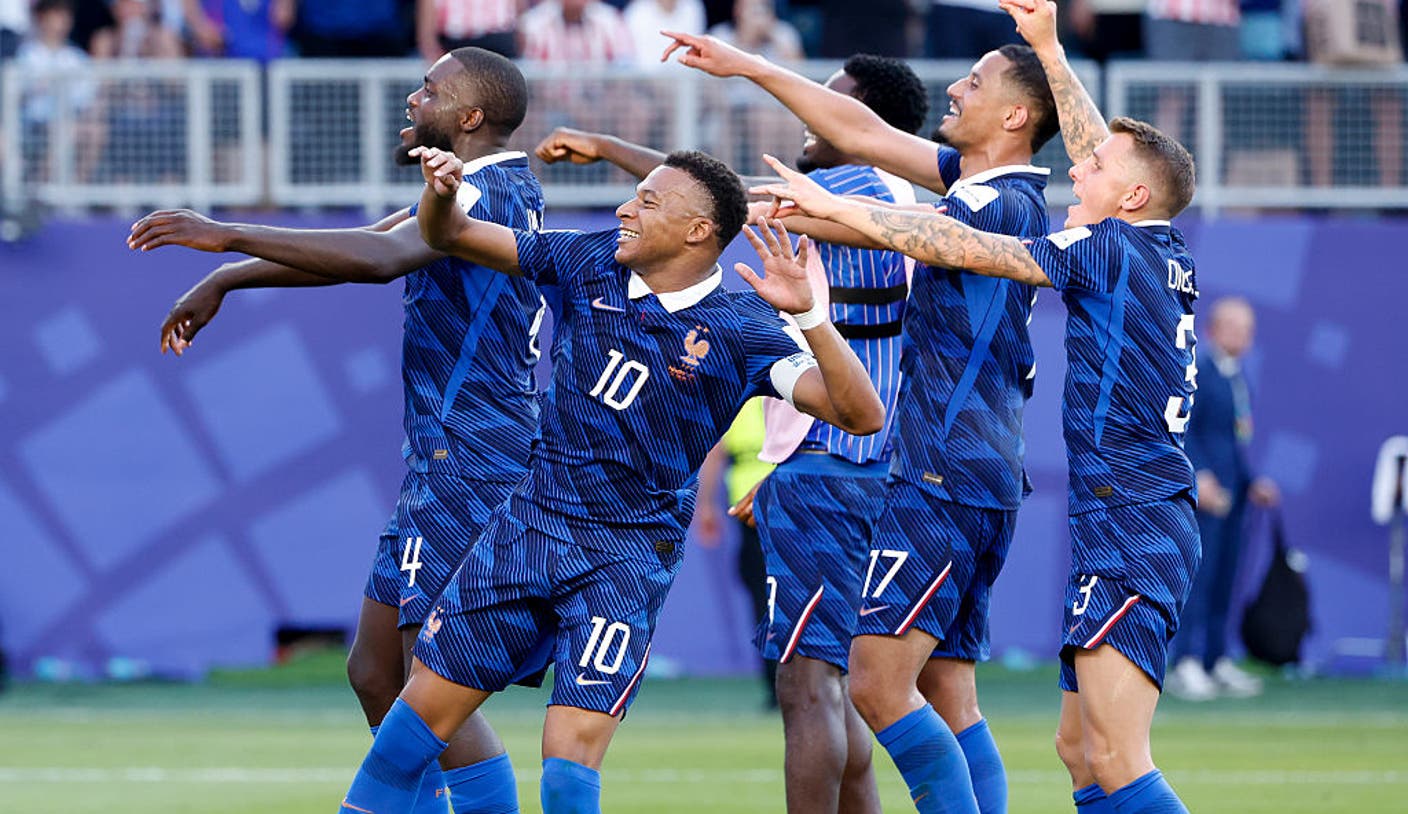
Boston gets the kind of quarterfinal the World Cup lives for
France-Morocco is the sort of match that makes a tournament feel suddenly smaller and more intimate, as if the whole sprawling enterprise has been drawn into one hard, bright room. On one side, France, still stocked with speed, power and the old expectation that talent should eventually become silverware. On the other, Morocco, the team that has spent the better part of the last World Cup cycle proving that discipline can be daring and that structure, when held tightly enough, can feel like defiance.
The setting matters. Boston is not just a backdrop; it is a stage that can make a match feel ceremonial, almost civic. And opening the quarterfinals means this game carries the first, heavy pulse of the round. The winner does more than advance. It sets the temperature for the rest of the knockout stage.
Mbappé, Olise and the French temptation to turn every game into a sprint
France arrives with the sort of attacking talent that can make a manager feel both blessed and haunted. Kylian Mbappé remains the gravitational force. Even on nights when he does not score, he warps the field. Defenders drift toward him. Midfielders cheat a step in his direction. The game bends. Add Michael Olise, whose left foot has the kind of elegance that can quietly slice a defense open, and France can become less a team than a weather system.
That is the lure, and the danger. Teams with France’s gifts sometimes believe tempo is a substitute for patience, that a few sharp bursts will solve every problem. Knockout football has a way of punishing that arrogance. A quarterfinal does not care about reputation or roster depth or the memory of past glory. It rewards the side that can keep its nerve when the first 20 minutes do not go to plan.
Morocco’s real achievement was never just the run to the semifinals
Morocco’s 2022 journey changed the conversation around what an underdog can look like at the highest level. It was not a fluke, and it was not a fairy tale stitched together by luck. It was the product of an identity: compact lines, ferocious collective work, and a refusal to let the moment outrun the team’s shape. That identity turned them into the most difficult kind of opponent, the one that can make a better roster spend an hour growing impatient.
That remains the heart of this matchup. Morocco does not need to dominate possession to matter. It needs to control emotional space. It needs to slow the game’s heartbeat, force France into careful buildup, and make every forward pass feel expensive. For France, the challenge is obvious and merciless: break the structure before the structure breaks your rhythm.
In the knockout rounds, artistry survives only if it can endure inconvenience.
The larger significance here goes beyond one nation’s tournament ambitions. Morocco’s rise has already altered how supporters across Africa and the wider Arab world see the ceiling. The team’s presence in this round is proof that the modern game is no longer reserved for the old few with the deepest history books. It has become, in pockets and bursts, genuinely porous.
What this match says about power in modern soccer
This is not merely France against Morocco. It is one more test of whether the old hierarchy of world football still holds when confronted by teams that are organized, technically competent and spiritually unafraid. France is the incumbent power: a program that expects to contend because it has built the machinery to do so. Morocco is the challenger that has learned how to make machinery stutter.
The beauty of the World Cup is that it keeps exposing the fragility of certainty. France can have the better players and still spend an anxious evening chasing the match. Morocco can have fewer marquee names and still control the terms of the fight. That is why knockout football remains football’s purest argument. It strips away the comforting fiction that the biggest budget or the loudest reputation should decide matters.
This is also where the human cost of winning lurks in the corners. One team will leave with the burden of expectation sharpened. The other will leave with the memory of having been close enough to touch another piece of history. These things linger. Players carry them for years. So do supporters.
My read: France has the edge, but Morocco has the leverage
I have spent enough years watching these tournaments to distrust the easy script that hands the favorite the day because the favorite looks more imposing on paper. Paper does not defend a back post. Paper does not survive a 72nd-minute crisis when legs are heavy and the crowd is leaning forward. France should have the tools to solve this, especially if Mbappé can isolate a fullback and Olise can find seams between the lines. But Morocco has already shown that it understands the geometry of trouble better than most teams do.
And I suspect that matters here more than the raw accumulation of stars. The team that wins this kind of match is often the one that can endure the first ugly phase without becoming emotionally disorganized. Morocco has built a reputation on exactly that sort of resilience. France, for all its brilliance, must prove it can resist the temptation to rush. That is where favorites sometimes fail: not in skill, but in impatience.
The historical parallel I keep circling is the old truth that great tournaments are not always decided by the side with the loudest attacking headline. They are decided by the team that can keep its shape when the match turns narrow, tense and almost rude. Morocco has made a career of being rude to opponents’ plans. France will have to be much more than beautiful to survive it.
Watch the first goal, because this one could change shape fast
If France scores early, the match may open into the kind of expansive, dangerous contest that suits its attacking depth. If Morocco scores first, everything becomes heavier, more deliberate, and far more dangerous for the favorite. That is the hinge. Not possession. Not shot counts. The first goal.
For viewers, the live window should be easy to find: the quarterfinal opener airs across FOX and FS1, with streaming available as well. For the tournament itself, the stakes are cleaner than that. This is a collision between a standard-bearer and a standard-breaker. The winner steps into the kind of pressure only the final stages can provide.
The quarterfinals have arrived with a match that feels older than its date and larger than its bracket. One team carries the expectation of empire. The other carries the memory of overturning it. That is the whole drama.
And Boston gets first crack at it.
Comments
Join the conversation — sign in to leave a comment.
Sign in to commentRelated Stories

Eight Left Standing, and the World Cup Finally Feels Like a Reckoning
The final eight at World Cup 2026 have survived the tournament’s long grind. Now the margins shrink, the nerves sharpen, and glory begins to look terribly expensive.

Infantino’s North America Tour Keeps Turning Into a FIFA Problem
Gianni Infantino came to bask in the World Cup glow. Instead, his sideline behavior and the optics around U.S. match management keep dragging FIFA deeper into the spotlight.

Norway’s Quiet Prep Turns Into a Hotel Shuffle Before England
A quarterfinal should be about tactics, legs and nerves. Norway got a little less sleep than it wanted, and that matters more than the glossy folks admit.