
England vs Argentina World Cup 2026: Tuchel defends tactics
He owned the passive spell, but the damage was done before the whistle cooled.
 Leo Lupo6 min read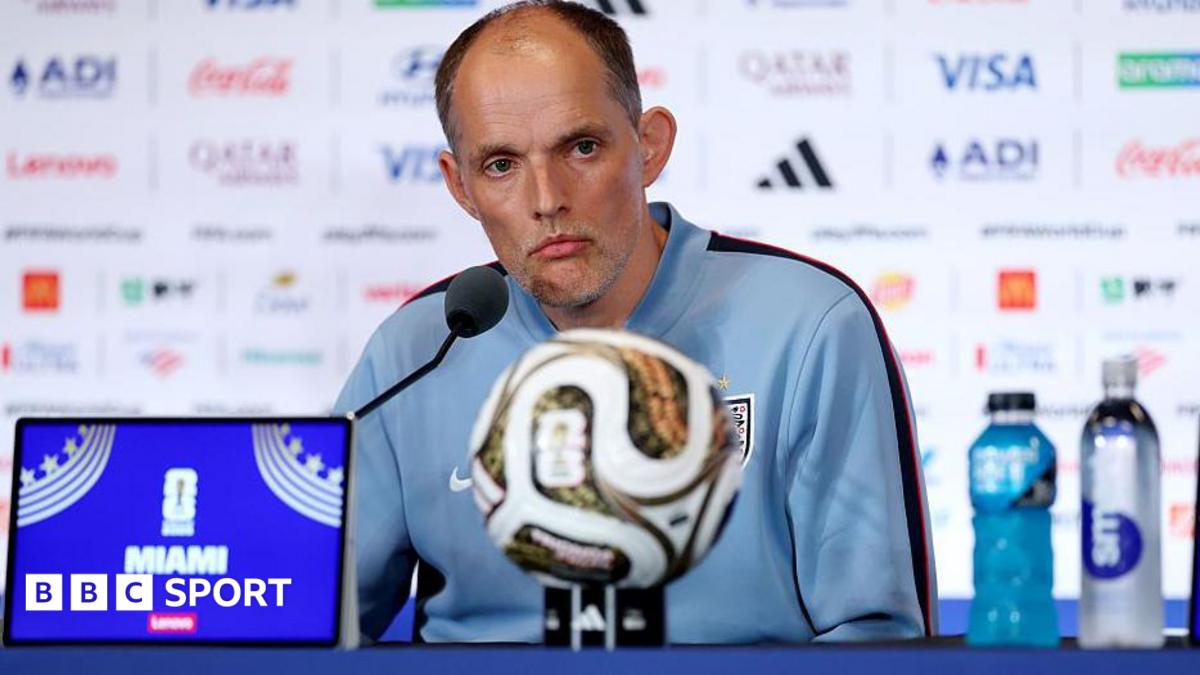
England walked out of that World Cup semi-final with a bruise on the face and a tactical argument in the air, and Thomas Tuchel did what serious managers do when the pitch turns into a courtroom: he answered straight. No grand theater. No sugar. He said the last 35 minutes felt too passive, and he stood by the decisions that got England there in the first place. That’s the kind of answer that buys you a little respect, even from the folks who wanted him strung up on the nearest camera cable.
The trouble is, respect doesn’t get you to a final. And in a tournament like the World Cup, there’s no medal for looking composed while the game slips through your fingers. England had a lead in their hands, or at least the kind of control that convinces a bench it can nurse a match home, and then the whole thing got sticky. Argentina sniffed blood. England sat deeper. The midfield stopped breathing. The front line started looking like it had been given different instructions by different men in different rooms.
Tuchel owned the caution, but not the collapse
Tuchel’s news conference had the familiar hard edges of a manager who knows his own mess. He didn’t pretend England were brave in the final stretch. He didn’t try to blame the grass, the referee, the moon phase, or the tea urn. He said the team got too passive. Fair enough. That part is obvious to anybody who’s watched enough knockout football to know the smell of a side waiting for the clock to save it.
But there’s a difference between admitting a problem and confessing to the root of it. Tuchel defended the choices themselves. That’s the real story. He’s telling you the strategy was sound, the execution simply went soft. Maybe. Or maybe the strategy invited the softness in the first place. That’s the old tournament trap. You don’t just ask a team to hold on. You ask them to hold on against a side like Argentina, and suddenly “control” starts looking a lot like fear wearing a tidy shirt.
England’s best teams over the years have usually had one thing in common: when the pressure lands, somebody somewhere decides the game still belongs to them. That doesn’t always mean flashy football. Sometimes it means a hard tackle, a ball held up, a fullback stepping into midfield like he’s got rent due. What it does not mean is standing off and hoping the opposition runs out of ideas. Argentina rarely runs out of ideas. They’d have to be asleep for that.
The last 35 minutes told the real tale
The final half-hour and change is where semi-finals stop being about shape charts and start being about nerve. Tuchel said England were too passive, and that’s the kind of line that should sting for a while. Passive teams don’t usually lose because they lacked a clever passing angle. They lose because they start treating danger like a rumor.
That’s what will haunt this one. Not the first hour. Not the decent spells. The last 35 minutes, where the game needed a spine and got caution instead. A good side can survive a bad patch. A shaky side asks the bench to survive it for them. England landed somewhere in between, which is the most dangerous place of all. It leaves you with just enough competence to believe, and just enough hesitation to lose.
Tuchel’s defenders will say this is what knockout football demands. They’re not wrong, not entirely. You don’t win these things by tossing bodies forward like you’re chasing a pub game in the rain. Still, there’s caution, and then there’s surrender by inches. England drifted toward the second one. That’s the ugly part. It’s never one dramatic mistake. It’s six little retreats and a team slowly backing itself into the rail.
The sin wasn’t the plan. It was letting the plan turn into fear.
What this says about England under pressure
This was never just about one semi-final. It was about whether England under Tuchel can handle the ugly middle of matches, the stretch where no one’s legs feel fresh and no one’s clever enough to create a clean chance. That’s where England have spent years making decent teams look ordinary and great teams look inevitable. The talent is usually there. The game management, less so.
That’s why this loss matters beyond the immediate pain. It tests the old English habit of praising structure when the structure is really just a way to avoid risk. You can win a quarterfinal doing that. Maybe even a semifinal if the gods are feeling friendly. But a final? A final asks for conviction. It asks for one or two players to demand the ball instead of waiting for permission. It asks a coach to trust aggression when the clock starts barking.
I’ve seen this movie before, back when shoulder pads were bigger and the touchlines were lined with men who looked like they’d rather swallow a whistle than take a gamble. England have often been at their best when nobody expected poetry, just courage. That’s the part people miss. It’s not about tiki-taka sermons or fancy diagrams from a glass box. It’s about a side knowing when to step on the throat of a match. Too many England teams have preferred the polite option.
And here’s the honest bit from me: Tuchel may be right about the decisions in isolation. Football, though, doesn’t live in isolation. It lives in momentum. A conservative call can be smart in the 58th minute and rotten in the 74th if it teaches your own lads to wait. Once a team starts waiting, it gets heavy. Boots drag. Passes travel shorter. The opponent smells it.
Argentina got the pressure, England got the lesson
Argentina didn’t need a miracle. They needed England to blink. England obliged. That’s the hard edge of tournament football: the better side on the clipboard is not always the side that survives the final 20 minutes. Argentina understood the rhythm. England got stuck in between protecting a result and chasing the next punch.
Tuchel’s challenge now is not explaining the loss. He’s done that part. The challenge is deciding whether England want to be a team that manages risk or one that imposes itself. Those are not the same job. And if this tournament has taught England anything, it should be this: you can’t defend your way through every storm without eventually inviting the thunder inside.
The smoke will clear, the questions will keep coming, and the footage will not get kinder with age. England won’t need slogans from here. They’ll need nerve, a sharper instinct in the closing stretch, and a coach willing to let the team play like it expects to win instead of hoping not to lose. That next step is where the grown-up business begins.
More from Straight From The Bench
Comments
Join the conversation — sign in to leave a comment.
Sign in to commentRelated Stories

England vs France World Cup playoff: Tuchel sees scars
Thomas Tuchel says England are still carrying the bruises of their World Cup exit. France are the opponent, but the real battle is inside the dressing room.
Soccer Fans in America: Visitors Find the Real U.S.
Foreign fans came for the soccer and found a messy, generous, very American road trip. The game was the excuse; the country did the rest.

Messi Lamine Yamal Photo: Argentina Star Calls It 'Incredible'
Messi’s reaction to the old Lamine Yamal photo adds one more surreal layer to a final already dripping with history. The matchup suddenly feels even bigger.