
Fantasy Football Draft Strategy 2026: The Blueprint That Wins
The preseason is over. The board is cleaner, the traps are obvious, and the edge is in discipline.
 Zane Miller6 min read
.jpg?w=1120&h=630)
The 2026 fantasy board is no longer a guessing game. The preseason dust has settled, roles are mostly locked, and managers finally have enough information to stop drafting on vibes. This is where leagues are won: not in the fifth round highlight reel, but in the discipline to separate real usage from pretty names.
The market always overreacts late in August. One strong drive, one viral camp clip, one coach smiling into a mic, and suddenly a player’s ADP starts floating past the actual opportunity. Don’t pay for that noise. The sharpest fantasy builds right now are being shaped around volume, pass-game certainty, and the simple reality that touches are still king.
Drafting for volume, not applause
The first thing to understand: fantasy football is still a counting-stat business. Players who touch the ball repeatedly are the spine of every serious roster. That means running backs with locked-in workload, wideouts with heavy target share, and quarterbacks who can stack production through the air and on the ground.
This is why the elite quarterback debate never really changes, even with the weekly churn of the NFL. If you want Josh Allen, and the draft room price still makes sense, take him. He’s the type of asset who can erase mistakes on the rest of your roster. The same logic applies to any top-tier dual-threat passer. You’re not drafting a position. You’re buying a points engine.
What you should not do is force a name because the ranking looks pretty. The middle rounds are where managers get sentimental and start drafting past current roles. That’s how you end up with a bench full of reputations and not enough weekly starters.
Watch the depth chart, not the brand name
Preseason has already told us more than most people want to admit. The coaches have spoken through usage, and the front offices have quietly made their tells through roster construction. If a player isn’t clearly in the first wave of opportunities, treat him like a luxury, not a foundation piece.
This is where the current NFL roster shuffle matters. Teams are trimming the fat, clarifying backfield pecking orders, and separating actual contributors from camp stories. We’ve already seen how quickly plans can change for rookies and fringe veterans, and if you want a real-time reminder, look at the kind of roster volatility that’s been shaping the league all week. That kind of movement is exactly why managers can’t draft based on last month’s assumptions. Chiefs roster cuts and other late-summer moves have become fantasy clues, not just transaction wire filler.
The best drafters are reading those clues like a scout reads a snap count. A backup running back who keeps showing up in two-minute work is not the same thing as a camp body. A wide receiver who stays on the field with the starters in August is not just a name on a chart. Opportunity shows up early if you’re paying attention.
Draft the role, not the rumor. The league has already told you who matters more than the hype machine has.
Quarterback value is real, but don’t chase it blindly
The position is deep enough that you can win without forcing an early QB. That doesn’t mean quarterback is cheap. It means the timing matters.
If you miss the first elite tier, the next move is to target passers who combine stability with ceiling, not just one or the other. In most formats, the difference between QB5 and QB12 is often smaller than the difference between RB12 and RB24. That gap is where drafts quietly tilt. You can survive with a solid mid-tier quarterback if the rest of your lineup is loaded with weekly volume.
Still, there’s a reason the elite names carry so much gravity. They compress risk. They give you a floor that lets you swing harder elsewhere. That’s the actual edge. Not a trophy pick, not a flex draft. Structure.
And if you’re playing in a league where others are obsessing over quarterback early, let them. That usually means better running back and receiver value slides to you. Let the room self-correct while you fill the scarcer spots.
The middle rounds are where the league gets won
This is the part fantasy players love to overthink and under-execute. The middle rounds are not for chasing a bench full of maybe. They’re for stacking players with paths to real weekly starts.
Prioritize receivers who can command targets even if the offense isn’t perfect. Look for backs with a clear receiving role, especially in PPR formats. And don’t be afraid to draft one player who can spike weeks in a high-variance offense if the cost is right. Just don’t make that your entire identity.
If you want a useful historical parallel, think about how many titles have been built on boring competence. The flashy first-round pick gets the social media buzz. The title teams are usually the ones that draft enough floor to survive injuries, then hit on one or two mid-round bets that actually become starters. The path is not glamorous. It works.
That’s also why situations like Aaron Donald’s return matter indirectly to fantasy drafters, even when they’re not on your roster. When an elite defensive piece changes the shape of a real NFL game, it can tilt scoring environments, game scripts, and weekly ceilings. Fantasy is a volume market, but it’s still tied to football reality.
I’ll say this plainly: the biggest mistake in competitive redraft is drafting for name recognition instead of weekly lineup certainty. I’ve seen too many rosters built like a museum of past production. Great names, bad outcomes. The managers who keep winning are the ones who accept that August information is actionable and September usage is even more valuable.
The league keeps moving. Roles harden. Depth charts calcify. And the managers who treat that like a signal, not background noise, are the ones still alive in December.
Build the bench like you expect chaos
The bench matters more than the average manager wants to admit. Not because you need a pile of lottery tickets, but because injuries and role shifts will happen. Every season turns into attrition. The smart bench has a purpose: one high-upside handcuff, one flex-ready receiver, one player whose role could grow fast if the starter misses time.
Don’t clog those spots with dead-weight veterans who need three injuries and a miracle to matter. Use the back end of your roster to buy optionality. That’s what keeps you from making panic trades in Week 4.
And yes, if you draft a star who’s carrying a lot of usage risk, you should already be thinking about how to protect that investment. Fantasy isn’t just about winning the draft. It’s about surviving the season without getting cute.
The next edge comes from staying flexible while everyone else gets attached to the names they wanted in August. That’s the whole trick. Build with conviction, leave room for adjustment, and let the season give you the final answers.
More from Straight From The Bench
Comments
Join the conversation — sign in to leave a comment.
Sign in to commentRelated Stories
Aaron Donald Return: Rams Get Their Old Wrecking Ball Back
Aaron Donald is back with the Rams after 2 1/2 years away, and that changes the mood in Los Angeles in a hurry. The front seven just got a whole lot nastier.

Chiefs Initial 53-Man Roster: What the 2026 Cutdown Means
Kansas City has its first 53-man roster of 2026, a snapshot of a team built to survive September and sharpen itself by Week 1.
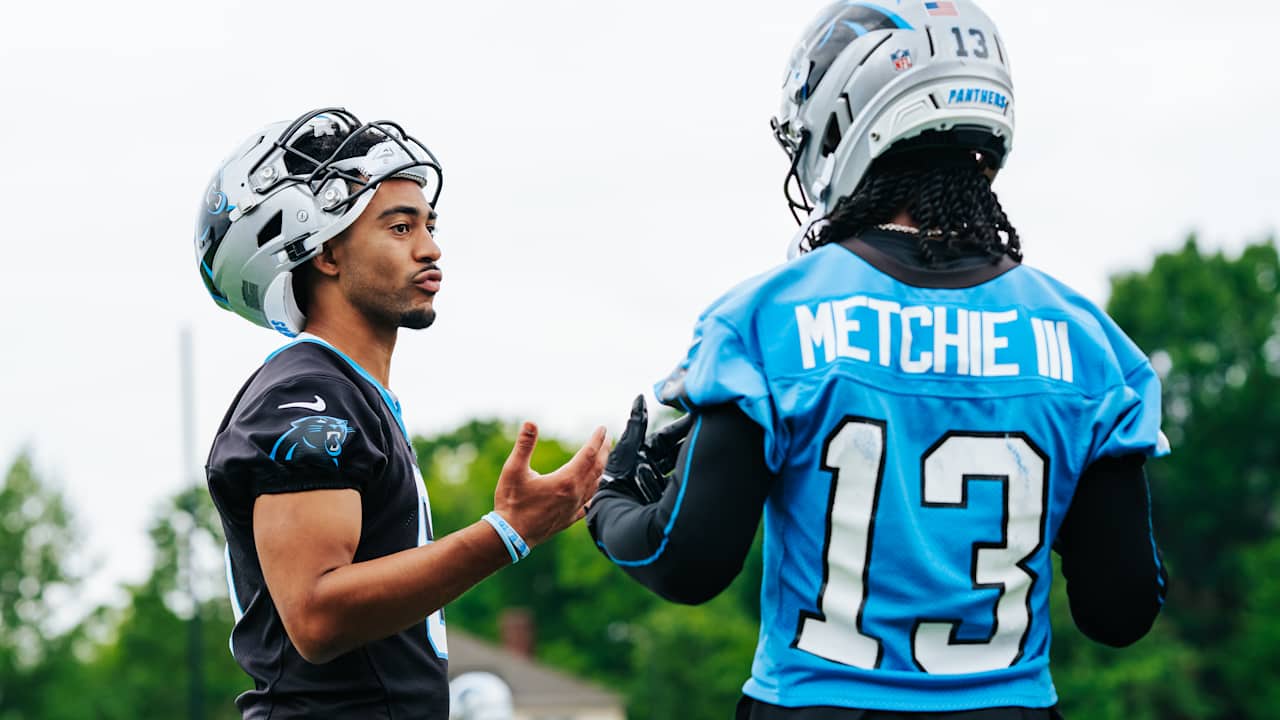
Panthers Initial 53-Man Roster: What Carolina Kept, Cut, and Bet On
Carolina got to 53 with a trade, 32 moves, and a roster that still leans hard on the trenches. The message is plain: protect the quarterback, or live with the mess.