
Ferrari Italian Grand Prix Engine Upgrade: Early Verdict
A home-race boost, sure. A miracle cure, no such thing in Maranello.
 Leo Lupo6 min read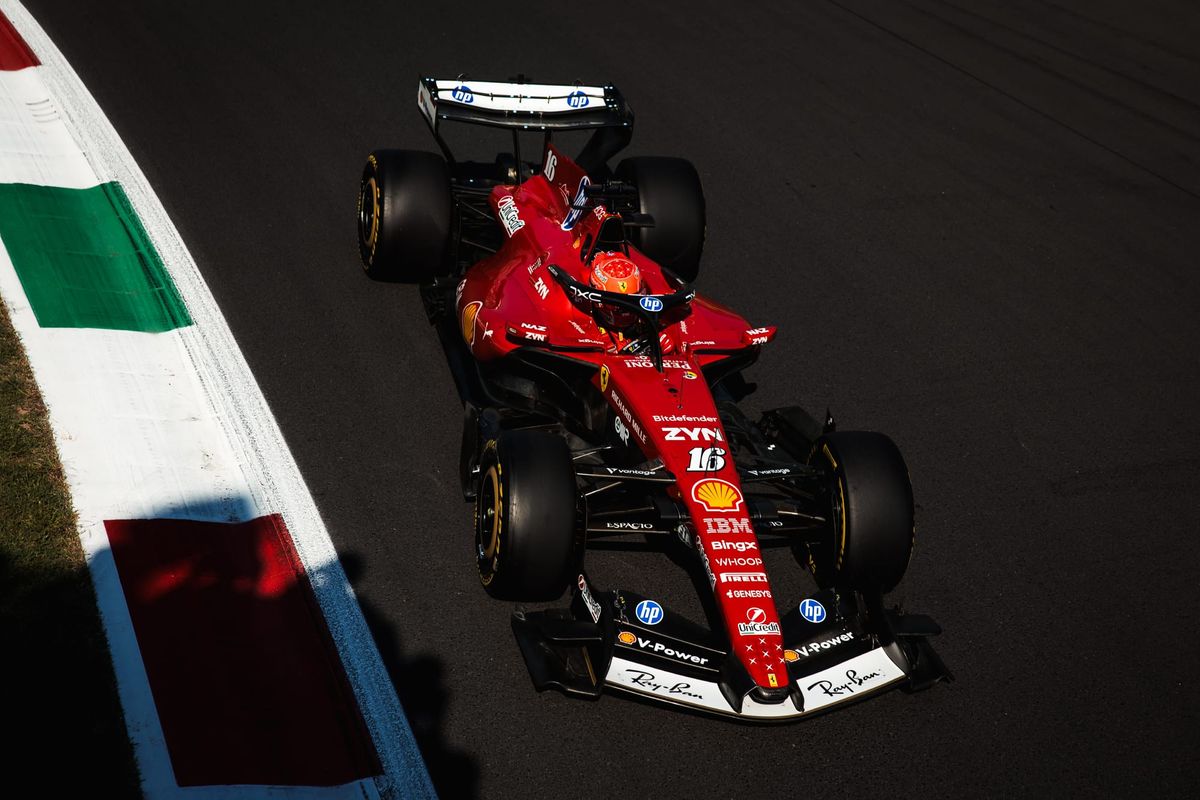
Monza finally gave Ferrari something to smile about
Ferrari rolled into its own backyard with a second power unit upgrade of the Formula 1 season, and the first signs were better than the usual Maranello hand-wringing and scented smoke. The early verdict on the new engine package was encouraging enough that even Fred Vasseur, a man who could make a champagne bath sound like a maintenance note, didn’t bury it under the usual gloom.
That matters. Not because Ferrari has suddenly discovered buried treasure in the engine bay. It hasn’t. But in a season where every decimal counts and every straight at Monza feels like a public exam, a clean step forward is worth more than a pile of promises. Ferrari needed the upgrade to behave like an upgrade, not a press-release garnish.
A better engine note, and that is not nothing
The Italian Grand Prix is a cruel place to hide. You can talk all you want about wind tunnel numbers and simulator magic, but Monza strips the paint off the story. If the car has legs, you see it on the long blasts between corners. If the power unit is coughing, everybody notices. That is why this second Ferrari engine package was always going to be judged with a sharper knife.
Ferrari’s own line, from the team principal down through the drivers, was not the breathless stuff you get from outfits trying to sell hope by the quart. It sounded more measured. Useful. The kind of tone that suggests the upgrade is delivering what was promised without setting off alarms elsewhere in the car. In F1, that is how progress usually arrives: not with fireworks, but with a slightly cleaner lap and a few less worried faces in the garage.
The trick now is understanding what this upgrade actually buys them. At a place like Monza, more power can help. So can better deployment, better reliability, and just enough confidence to run the engine harder without the boys in the back room reaching for the aspirin. But Ferrari does not need another shiny headline. It needs repeatability. It needs the thing to work on a cool Friday, a hot Saturday, and a Sunday when the pressure gets nasty.
Fred Vasseur’s calm tone tells you plenty
Vasseur has made a habit of lowering the temperature around every Ferrari development story, which is smart because this team has spent years tripping over its own expectations. When he sounds mildly pleased, that is worth listening to. It means the numbers probably matched the simulation close enough to keep the engineers from muttering into their coffee.
That does not mean Ferrari is suddenly the class of the field. It means the team may have taken a real step inside a championship fight that punishes the impatient. The Italian Grand Prix practice picture already suggested that Charles Leclerc could put the car near the front, with Lewis Hamilton close behind in the other Ferrari. Those are the moments Maranello lives for. Home crowds. Red hats. The whole circus. But the old trap is mistaking a strong Friday for a solved problem.
Ferrari does not need a miracle at Monza. It needs proof that its latest fix is more than a nice sound on the straight.
That distinction has bitten them before. Plenty of times, too. Ferrari can make a car look fast in the daylight and then spend the weekend explaining why the rear end got restless, the tires went off, or the balance wandered like a drunk on cobblestones. The power unit upgrade may be a legitimate gain. The real question is whether it hands the chassis enough breathing room to stay tidy when the race gets ugly.
Leclerc, Hamilton, and the Monza spotlight
For Leclerc, any upgrade that sharpens Ferrari’s top-end pace is a weapon. He has always looked most dangerous when the car gives him a proper launch out of the slow stuff and enough shove down the straights to defend his line. Monza rewards nerve, but it also rewards machinery that does not flinch. If Ferrari has tightened the package even a little, Leclerc can make a weekend dangerous for the front-runners.
Hamilton’s role is different, and that is where the larger picture gets interesting. A better engine package is one thing. Turning it into a stable platform for both cars is another. If Hamilton can lean on the new unit and extract pace without the car getting twitchy, that tells you the upgrade is doing more than flattering one driver’s style. It says Ferrari may have something usable over a broader range, which is what championship teams build on.
There is also the larger Ferrari problem, the one that never goes away no matter how many upgrades get bolted on. This outfit has spent years trying to turn isolated promise into sustained pressure. One good weekend is a postcard. A chain of them is a season. The power unit update at Monza should be judged against that standard, not the cheap one.
I’ve seen this movie for decades, and Ferrari always seems to arrive at these home-race moments with a fresh reason for optimism and just enough scar tissue to keep everybody honest. Sometimes the parts work. Sometimes the myth does the heavy lifting until the tires go off. What I liked about the early read on this upgrade is the lack of theater. No carnival barking. No miracle talk. Just the sense that the engine is giving the team a little more to work with, and in this sport, a little more is often the difference between chasing and controlling.
And don’t kid yourself: Ferrari’s rivals are watching every gain like hawks. If the upgraded unit gives Ferrari cleaner top speed without making the rear unstable, that changes how the rest of the grid approaches them on tracks with long straights and tight braking zones. If it only pays off at Monza, then it’s a nice home-race story and nothing more. F1 eats those alive.
What to watch after the checkered flag
The real test comes after the cheer fades. Does Ferrari keep the upgraded package on the car? Do the lap times hold up across a full race distance? Does the team trust it enough to run it hard again next time out? Those are the questions that separate a true development step from a temporary sugar rush.
Ferrari has been living on the edge of progress and disappointment for too long to celebrate a single encouraging readout like it solved the house. But if this upgrade is what it looks like so far, then Monza may have handed them something useful: not glory, not redemption, just another piece of a car that might finally be getting harder to dismiss.
That’s a start. In Ferrari terms, start is better than spin.
More from Straight From The Bench
Comments
Join the conversation — sign in to leave a comment.
Sign in to commentRelated Stories
Italian Grand Prix Practice: Russell Sets the Pace at Monza
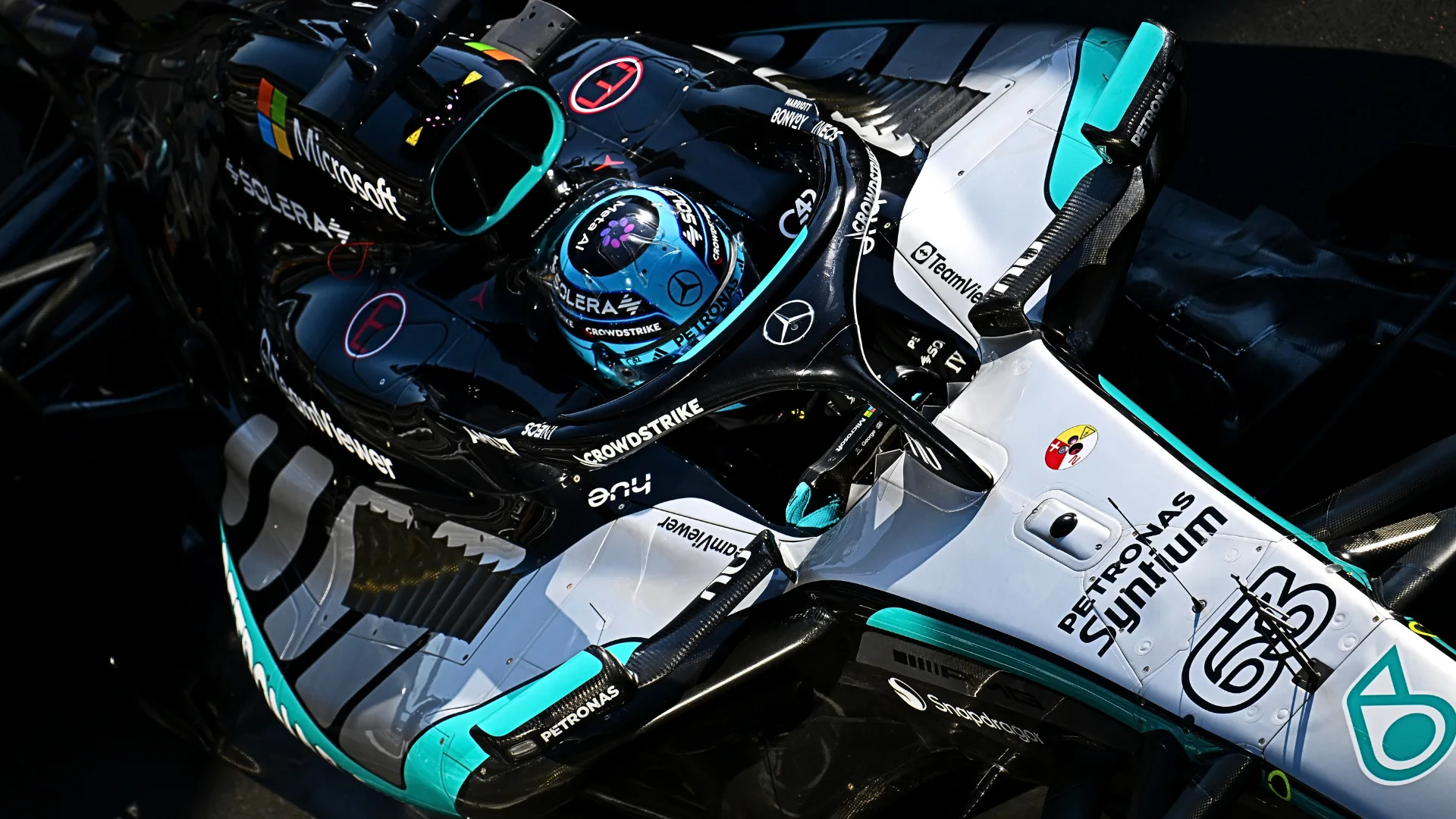
George Russell topped second practice to open the Italian Grand Prix on the right foot. Ferrari were close enough to keep Monza tense, and that matters a lot.

Wout van Aert Vuelta a Espana Stage 13 Win: Belgium Delivers
Wout van Aert rode stage 13 like a man who knew exactly what kind of day it was. He outkicked Valentin Paret-Peintre from a huge break and reminded everybody what a real finisher looks like.
Italian Grand Prix Practice: Ferrari and Mercedes Winners, Losers
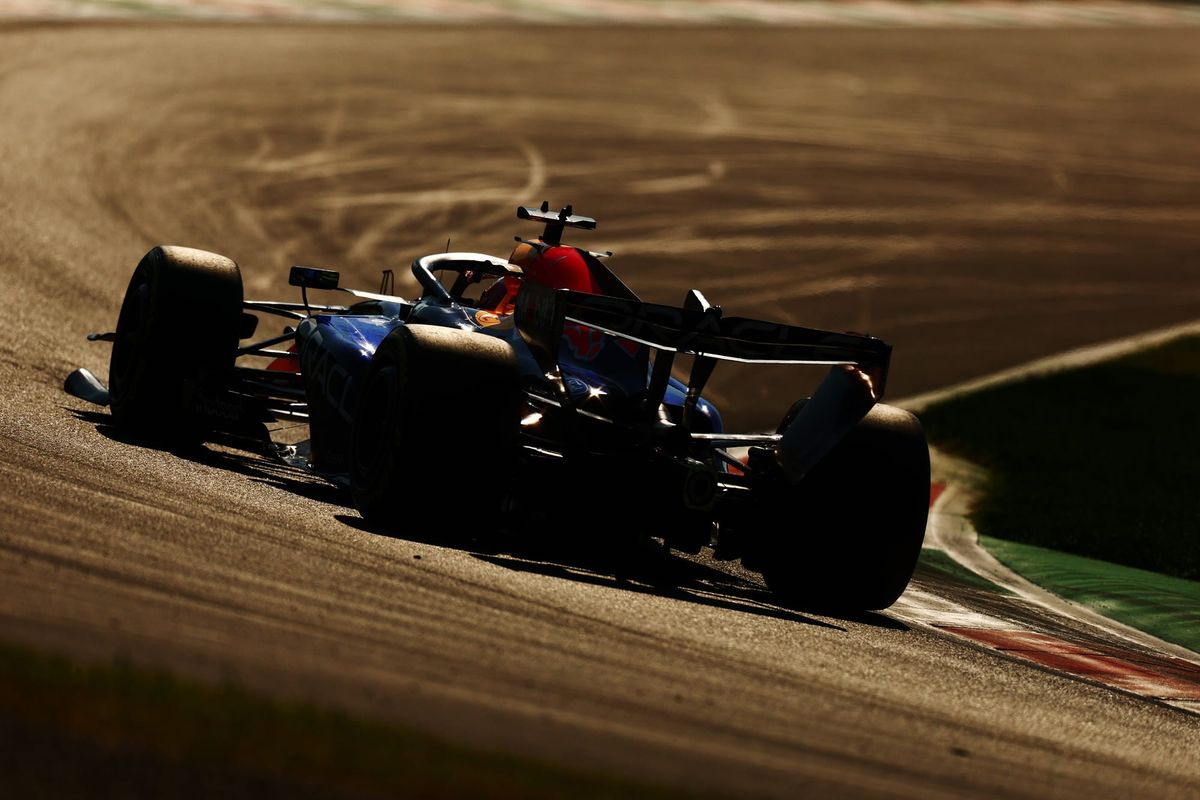
Monza Friday practice sharpened the picture for Ferrari and Mercedes, with Kimi Antonelli carrying the home-race spotlight and the big teams sorting real weekend stakes.