
FIFA World Cup schedule today: knockout race for final spot
One ticket left, and the pressure is starting to look familiar.
 Zane Miller5 min read
The FIFA World Cup schedule today doesn’t read like a full slate anymore. It reads like a trapdoor. One spot in the final is still hanging out there, and everything about this stage gets tighter, meaner, and a lot less forgiving.
This is the part of the tournament where the calendar stops being a convenience and starts acting like a judge. Kickoff times matter. Recovery windows matter. Every substitution gets replayed in somebody’s head for three days. If you’re still alive in this bracket, you’re not hunting style points. You’re hunting one more ticket, one more clean performance, one more 90 minutes without a catastrophic lapse.
One final opening changes the entire mood
That last place in the final is the only thing anybody cares about right now. The rest of the tournament noise — the social clips, the side arguments, the nostalgia — gets pushed to the edges when the bracket narrows this far.
The teams left standing are dealing with the same reality: nobody is getting extra possessions, and nobody is getting a reset. This is why knockout soccer still owns the global calendar. Every phase becomes magnified. One loose marking assignment, one tired fullback, one set-piece breakdown and the whole month can flip.
If you’ve watched enough of these events, you know the shape of this moment. The side that manages game state better usually survives. The side that keeps chasing the emotional version of the match usually doesn’t. That’s not a theory. That’s World Cup history.
Kickoff times and the streaming grind
Fans checking the World Cup schedule today are really checking for two things: when do I need to be locked in, and where can I watch without scrambling?
That sounds basic, but in a tournament this size, it’s everything. Global competitions live and die on distribution. Time zones shape the audience. Streaming access shapes the conversation. And once the field is this small, the viewing window becomes a big part of the event’s gravity.
This is also where the modern fan behavior really kicks in. People don’t just follow the result anymore. They track lineups on phones, live-blog the flow, and watch the market reaction in real time. National-team soccer has turned into a constant second-screen sport, and the demand spikes hardest when there’s only one meaningful place left to go.
The roster pressure nobody talks about enough
The obvious story is who advances. The less obvious story is who survives physically and mentally enough to do it.
At this stage, selection choices are no longer about spreading minutes. They’re about trusting the legs you have and hoping the bench can patch the rest. Coaches start leaning hard into familiar combinations. Agents and front offices watch too, because a tournament like this can change a player’s market in a hurry. One clean run can make a profile look bigger. One invisible night can do the opposite.
And because the final spot is still there, every tactical wrinkle gets scrutinized. Does a manager gamble on attacking width, or sit into a more compact shell and try to steal the match late? Does the favorite respect the counter too much and lose initiative? Does the underdog go for broke, or treat the first half like survival mode?
That’s the real game inside the game.
In a World Cup this deep, the biggest advantage is usually the team that stops trying to look clever and starts trying to look inevitable.
What I’m seeing from the bigger picture
I’ve covered enough of these tournaments to know the difference between a team that’s just in form and a team that’s built for the last act. Form is temporary. Structure travels.
The final opening in this bracket is where you find out which side understands that. If you’re too loose in transition, you get exposed. If your midfield can’t slow the match down for even five minutes, you’re living on borrowed time. If your back line starts guessing instead of reading, you’re already in trouble.
That’s why I keep coming back to the same thought: the team that fills this last spot won’t necessarily be the one playing the prettiest soccer. It’ll be the one that handles pressure without turning frantic. That’s a different skill, and it’s usually the reason the trophy pictures end up looking the way they do.
I’ve also got my eye on the emotional edge here. Once a tournament gets this compressed, momentum can become a little overrated and composure becomes the real currency. A side can ride one hot stretch into a final. It can also get punished for believing its own highlights. That’s where the smart teams separate themselves. They don’t just chase the moment. They manage it.
If you want a reminder of how quickly a World Cup can swing from tense to historic, look at the pressure-cooker stuff we’ve already seen this cycle, from the defensive grind in Spain World Cup Final: defense first, France silenced in Texas to the chaos and control that keep deciding these knockout nights.
One place left, and nobody is handing it over
The schedule today is really a countdown to finality. There’s one opening left, and every team with a pulse knows it. That makes the next whistle feel heavier than the last one, and the next mistake potentially fatal.
This is where World Cup soccer earns the obsession. Not in the group-stage clutter. Not in the decorative buildup. Right here, where one spot is left and everybody can smell it.
Whoever takes it won’t just survive the day. They’ll own the bracket.
More from Straight From The Bench
Comments
Join the conversation — sign in to leave a comment.
Sign in to commentRelated Stories

Spain World Cup Final: De la Fuente revives 2010 spirit
Spain shut down France and marched into the World Cup final with the kind of steel that used to define them. Luis de la Fuente says the old spirit is back — and he’s not wrong.

Spain World Cup Final: defense first, France silenced in Texas
Spain blanked France and punched its ticket to Sunday’s World Cup final. The trophy game now runs through a side that is defending like it means it.
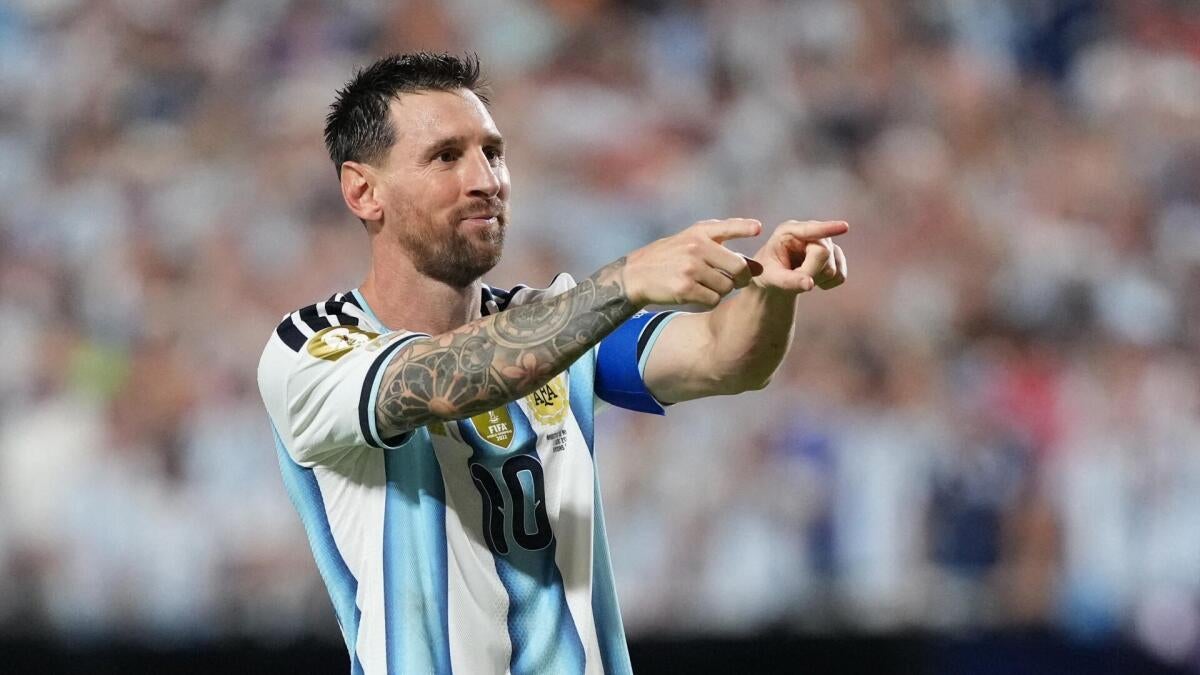
Argentina vs England World Cup semifinal: odds, prediction, time
Argentina and England arrive at the 2026 World Cup semifinal with history on their shoulders and no room for hesitation. This is football at its most unforgiving.