
MLB All-Star Game 2026: AL wins first shutout in 13 years
A midsummer showcase turned into a clean, cold reminder that pitching still rules the night.
 Beatrice Kensington5 min read
The 96th MLB All-Star Game did not arrive dressed for a slugfest and leave as one. It ended as something rarer, and in its own quiet way, more revealing: the American League pitching staff stitched together the first shutout in the exhibition in 13 years, a midsummer blanking that said as much about the state of the sport as it did about one night’s box score. Miguel Vargas supplied the lone homer, the kind of swing that can feel loud enough to echo through a ballpark that had otherwise been held in a kind of professional hush.
This was not a showcase of fireworks. It was a showcase of control.
Pitching, not power, set the tone
For years, the All-Star Game has lived with a tension between spectacle and realism. Fans arrive wanting launch angles and moonshots, and the clubs, increasingly protective of arms and innings, often deliver a parade of elite relievers throwing 98 with a plan. On this night, the American League’s staff turned that formula into something almost surgical. One arm after another carved through the National League with the crisp indifference of a July blade through paper.
That matters because the game itself has become a small museum of modern baseball habits. The bullpen-heavy design of the evening mirrored the sport beyond the break: fewer complete games, shorter outings, and an ever-narrowing margin for error. Yet when the pitching is this clean, this coordinated, the old argument reasserts itself. A baseball game still belongs, first and last, to the men on the mound.
The shutout was the kind that does not merely keep a score down. It changes the emotional weather of the stadium. Each inning grows heavier. Each National League out becomes a little more ceremonial. By the late innings, the contest had the feeling of a locked door.
Miguel Vargas gave the AL its one needed jolt
Miguel Vargas’ homer was the swing that gave the American League a cushion and the night a shape. In an event built on star power, the home run was less a thunderclap than a signature — the sort of moment that can make a player’s name sit differently in the memory of a crowd that may have entered the building thinking mostly about bigger brands.
That is the quiet magic of the All-Star Game when it works. It can still create a fresh page in a player’s biography. Vargas did not have to carry the night. He only had to change it, and he did.
The deeper point is that this exhibition still rewards the players who can turn a brief window into a lasting image. In an era when baseball’s attention economy is strained by pace-of-play debates, fragmented viewing habits, and a season so long it can blur at the edges, one clean swing matters more than ever.
A shutout in midsummer says something about the sport
A shutout in the All-Star Game is not simply a statistical oddity; it is a signal. Baseball has spent the last decade arguing with itself about how to balance offense and efficiency, how to preserve the old theater of the game while accommodating the modern preference for velocity and leverage. This night leaned hard toward the latter. The arms were fresher, the command sharper, the bats quieter. The result was not ugly. It was disciplined.
That is the part worth sitting with. The All-Star Game can become a pageant of reputations, a gathering where every jersey is already famous. But nights like this remind us that the sport still reveres execution over celebrity. A well-located fastball, a cutter at the knees, a breaking ball that falls off a table — these are the hidden luxuries of the game. They do not always travel well in highlight packages. They do, however, decide outcomes.
The National League will shrug and move on, as all teams do after exhibitions that count for nothing and linger in the memory anyway. The American League, meanwhile, gets the cleaner line in the history book.
A midsummer shutout is baseball’s way of reminding us that elegance can be louder than exit velocity.
I have always believed the Midsummer Classic is most revealing when it resists its own marketing. Give me the night that exposes the sport’s current obsessions — pitch counts, bullpen artistry, the premium placed on missing bats — and I will take that over a sloppy 11-9 carnival nearly every time. The game’s old romance was built on stars, yes, but also on the dignity of craft. That is what resurfaced here.
And there is a second, more subtle read. The league is still selling offense as the most marketable language of baseball, but the evening’s best arguments came from defense, command, and restraint. That is not a contradiction. It is the sport telling on itself. The loudest moment belonged to a single homer, yet the night belonged to the people who prevented noise from happening at all.
What it means for the second half
The All-Star break always carries the scent of a reset, but this one leaves behind a useful clue. Teams chasing October will keep preaching the same gospel: if the bats go cold, elite pitching can save a season, and if the bullpen is deep enough, even great lineups can be reduced to guesswork. The AL’s shutout was a glossy little demonstration of that truth.
For fans, it was a reminder that baseball’s beauty has never been confined to crooked numbers. Sometimes the most memorable summer night is the one in which the game is stripped back to its bones — mound, plate, glove, silence, and one ball sent cleanly into the seats.
The second half is waiting. So are the arguments about offense, pitching, and who really owns October. This night gave the pitchers a strong opening statement.
More from Straight From The Bench
Comments
Join the conversation — sign in to leave a comment.
Sign in to commentRelated Stories
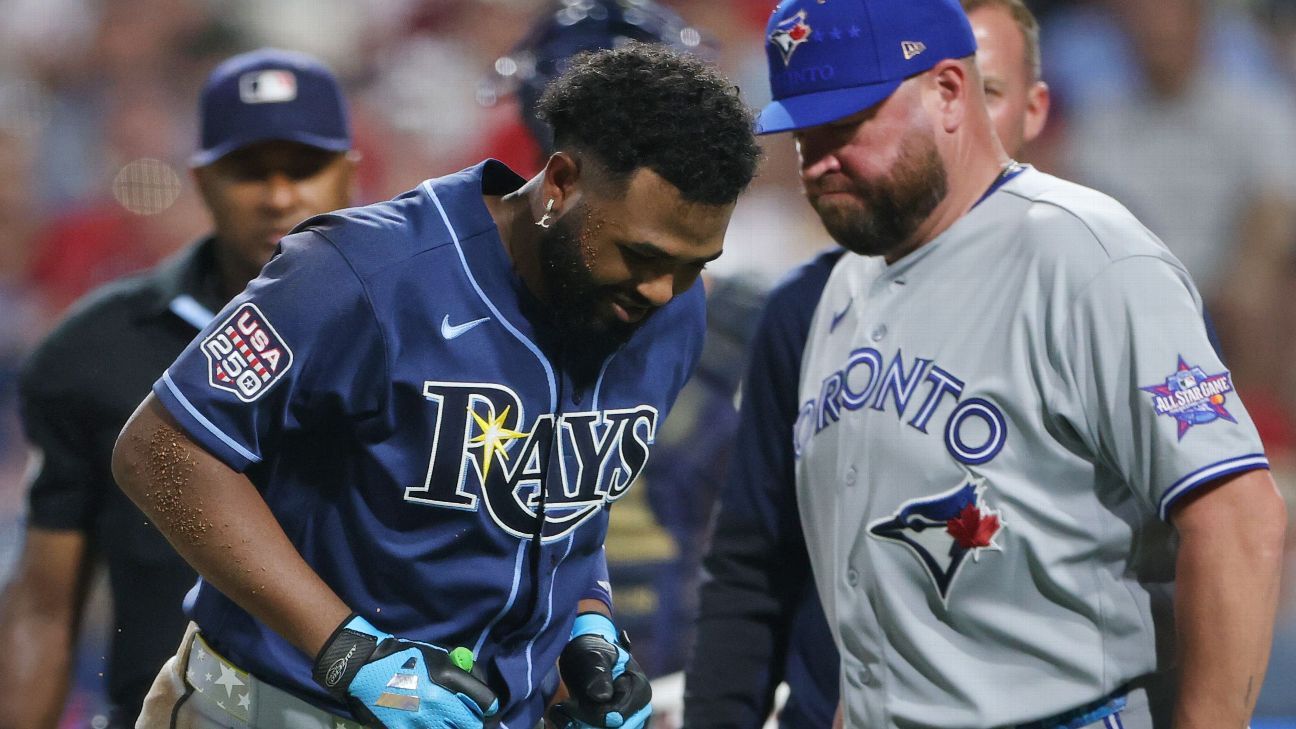
Junior Caminero Injury Update: Rays Star Leaves All-Star Game
Junior Caminero’s All-Star night ended early after a 97.6 mph sinker struck his left hand. The real concern now is what that bruise means for Tampa Bay’s season.
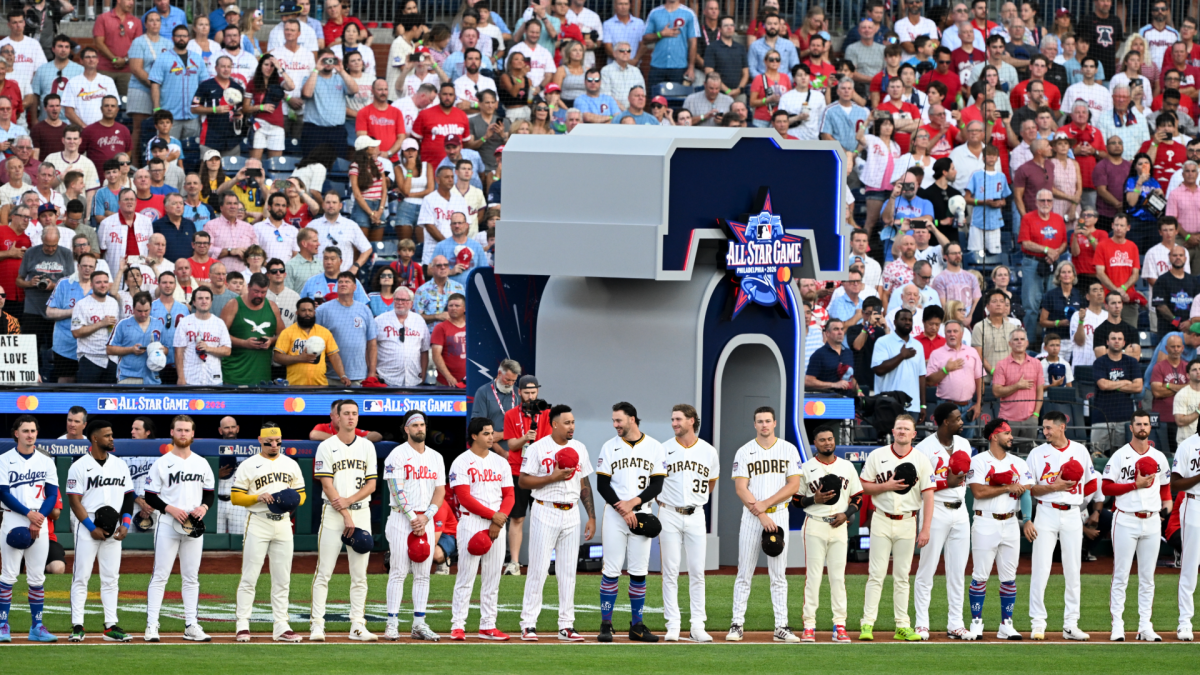
2026 MLB All-Star Game results: Phillies host the spotlight
Cristopher Sánchez and Dylan Cease set the tone in Philadelphia as the All-Star Game played for pride, not October leverage.
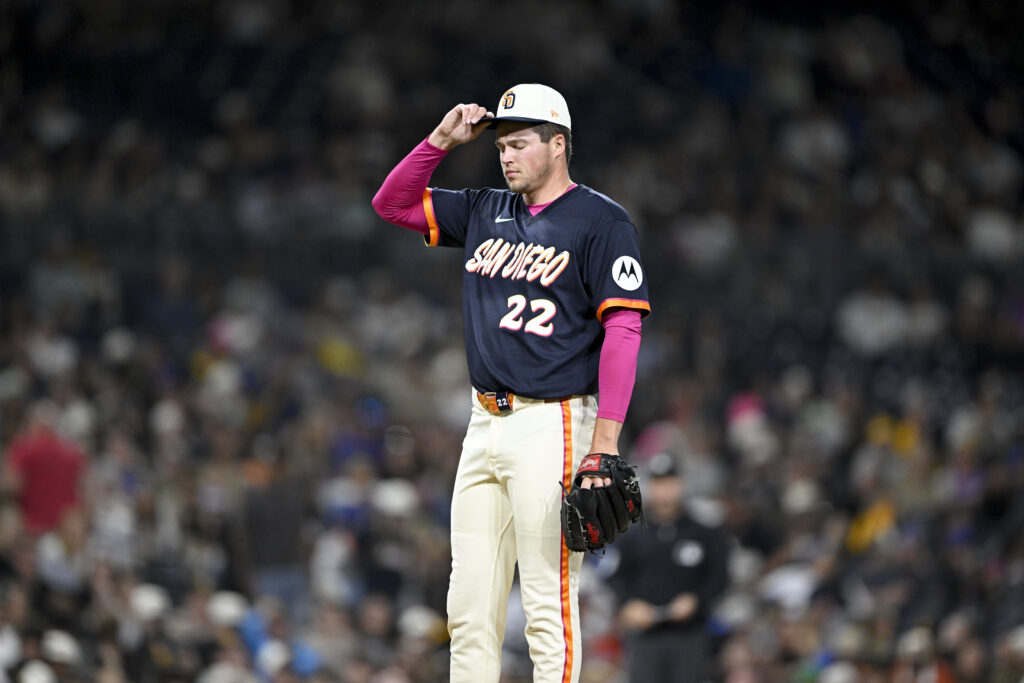
Padres Trade Deadline: Miller, Sale, and a Team in Limbo
The Padres aren’t clean buyers or sellers, and that kind of wobble usually costs more than it saves. Mason Miller chatter only sharpens the mess.