
Folarin Balogun’s reprieve, and the uneasy politics behind a World Cup suspension
 Beatrice Kensington5 min read
SEATTLE — The most important thing Sunday was not that Folarin Balogun would be available for the United States against Belgium. It was how close the U.S. came to walking into a round-of-16 match without the player who has carried its scoring burden at this World Cup, and how ugly the machinery looked while the question was being sorted out.
This is what modern international soccer often feels like at its coldest point: a sport marketed as shared global theater, yet governed by committees, filings, appeals and the occasional blast of political heat from much higher up the ladder. Balogun’s suspension, then his clearing, is not merely a paperwork story. It is a stress test for FIFA itself, and for the basic confidence that major tournaments are decided on grass rather than in a tangle of administrators’ hands.
A World Cup should not require a miracle of bureaucracy just to put the right striker on the field.
A star scorer nearly caught in the crossfire
Balogun has been the U.S. men’s team’s leading scorer in this tournament, the sort of forward whose movements seem to alter the geometry of a match even before the ball arrives. That matters because the Americans are not overflowing with finishers. They can run, they can press, they can defend in patches of steel and nerve. But in the World Cup’s thin air, chances are expensive. A forward who can turn one half-decent opening into a goal is not a luxury. He is the difference between hope and exit.
So when news broke that he had been suspended, the reaction was immediate and intimate. Coaches see roster balance. Players see trust. Fans see the most vulnerable part of the team’s spine. A team can survive an awkward fullback matchup or a midfield spell where the legs go heavy. Lose the only man who seems born to find the net, and the whole tactical plan begins to wobble.
The FIFA decision and the uneasy optics around it
The governing body’s reversal on Sunday restored Balogun to the available pool for Monday’s showdown, but it did not restore confidence. The European federation’s denunciation of the decision as “incomprehensible” tells you enough. This was not merely a dry interpretation of an eligibility rule or a minor administrative correction. It became a public test of whether the tournament’s stewards can explain themselves clearly enough to avoid the smell of influence.
That smell matters. Not because every controversial call is proof of corruption — sports are too often messy to sustain such neat fables — but because global soccer has spent decades asking supporters to trust institutions that too frequently invite suspicion. World Cup politics always linger at the edge of the frame. When a high-profile player is briefly suspended and then cleared just before a knockout match, the timing alone is enough to make everyone uneasy.
For the Americans, the practical effect is simple: their best attacking hope remains on the board. For everyone else, the effect is broader. One more reminder that governance in soccer is often opaque enough to make even a correct decision feel like a bad one.
What Belgium sees now that Balogun stays in the picture
Belgium was already preparing for a U.S. side that would try to suffocate space, press in bursts and squeeze the match into uncomfortable channels. Now the Belgians must also account for the one American attacker whose first step can punish a back line that drifts even a yard too high. That changes the mood of the matchup, and perhaps more than the tactics.
Big tournament games are built on fear management. One side wants to make the other feel the full weight of what can go wrong. Balogun’s presence forces Belgium to carry an extra burden in possession: not just to attack, but to guard against the decisive counter. If he is sharp, the U.S. can remain dangerous even when it is not dominating the ball. If he is merely present, he still occupies defenders and creates the kind of uncertainty that turns half-chances into opportunities.
The American staff will not say this publicly, but there is also a psychological repair here. After a suspension scare, the room gets a jolt. Relief can sharpen focus. It can also fray it. We will learn quickly which version shows up Monday.
What this episode says about tournament power
I have covered enough major events to know that the most revealing moments often arrive away from the score line. A governing body’s handling of a suspension, a scheduling change, a late disciplinary ruling — these are the seams where a tournament’s real values show through. And too often the seams are crooked.
My own view is that soccer’s institutions do themselves no favors by behaving as if clarity is optional. The sport has sold itself, for generations, on the romance of borderless competition. Yet the actual governance too often resembles an old club with locked doors and too few windows. Every time a ruling lands late, lands awkwardly, or requires a second wave of explanation, it chips at the public’s patience. The game survives because the game is beautiful. The people running it should stop pretending that beauty alone can absorb every procedural wound.
Balogun’s case will fade quickly if he scores, as these things usually do. That is the brutal mercy of sports. A goal can rinse away a week’s worth of outrage. But if the episode is remembered, it will be because it exposed something enduring: the tournament’s competitive stakes are always intertwined with the credibility of the hands that govern it. Strip away that trust, and even a cleared star feels like a warning.
Monday now has a cleaner shape for the Americans. The question is whether they can turn that relief into force. Belgium will not be impressed by administrative drama. It will only care about the man in the white shirt who knows where the net is.
Comments
Join the conversation — sign in to leave a comment.
Sign in to commentRelated Stories
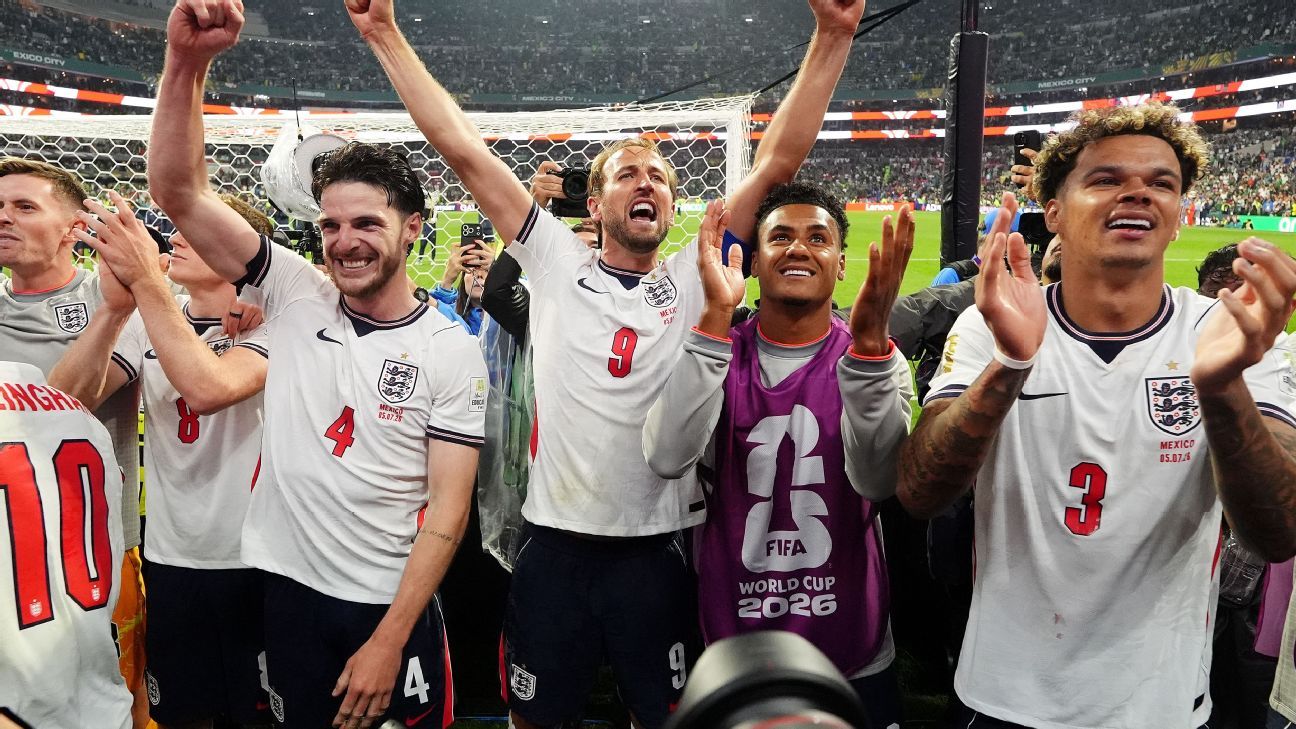
Kane’s Voice Goes, the U.S. Eyes Belgium, and the Knockout Squeeze Tightens
Harry Kane’s postgame rasp turned into the tournament’s odd little viral moment. Meanwhile, the USMNT is staring at Belgium with quarterfinal pressure rising fast.
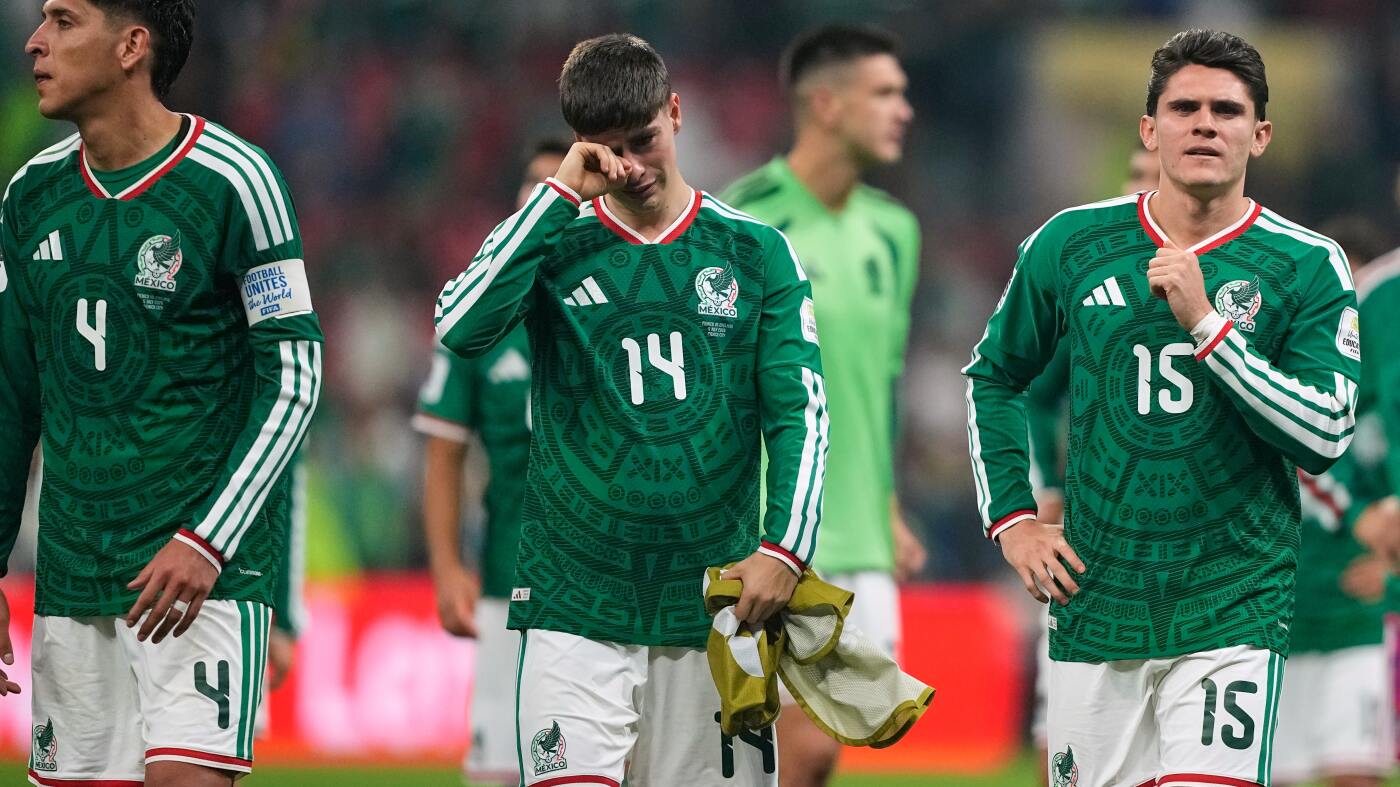
Mexico Had the Stage, the Noise, and the Numbers — England Still Had the Last Word
At a roaring Estadio Azteca, Mexico had altitude, numbers, and belief. England still walked out with a 3-2 win and a hard lesson for El Tri.
Trump, FIFA, and Balogun: the red card that got political fast
Folarin Balogun’s suspension got lifted, and suddenly a World Cup discipline call turned into a power play with global stakes.