
Kane’s Voice Goes, the U.S. Eyes Belgium, and the Knockout Squeeze Tightens
 Zane Miller4 min read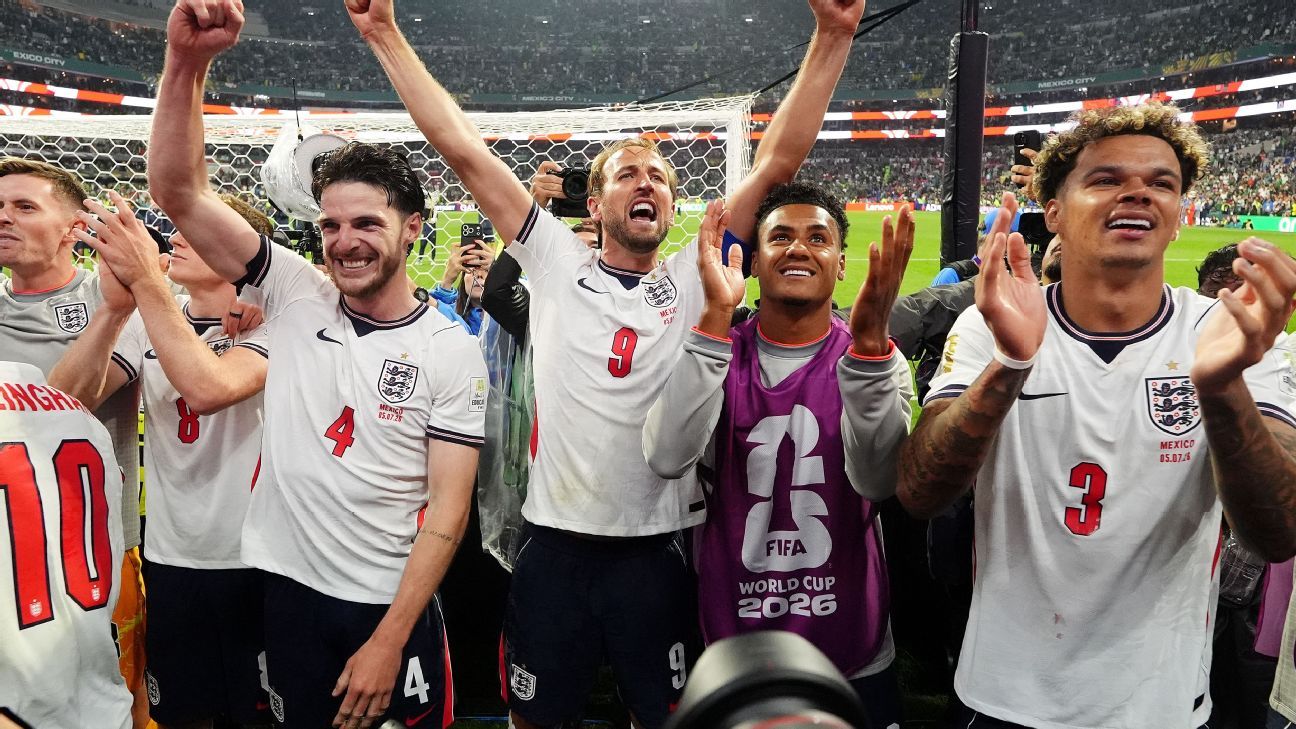
Harry Kane losing his voice in the middle of a World Cup interview is the kind of tiny, human moment that cuts through the bracket math. This tournament is tightening fast, quarterfinal spots are getting snapped up, and every team still standing can feel the temperature rising. England’s captain sounded like he’d spent 120 minutes shouting into a hurricane, and honestly, that fits the stage. The noise is getting louder. The margins are getting thinner.
At the same time, the United States men's national team is about to walk into one of those games that tells you exactly where a program is. Belgium isn’t just another opponent. It’s a measuring stick, a roster full of players who’ve lived in knockout soccer for years, and the sort of test that punishes indecision. The U.S. doesn’t get to play cute here. You either handle the pressure, or the pressure handles you.
Kane’s rasp says more than the joke does
The viral angle is obvious: Harry Kane, England’s leader, sounding like he’s been chain-smoking through a winter camp. Funny. Fine. We all saw the clip. But the better read is what it says about the tournament itself. These games are draining, emotionally and physically. Teams are having to spend their emotional bank account early because the schedule gives nobody a soft landing.
That matters because the World Cup is never just about talent. It’s about who can survive the emotional churn of a month where every match feels like a referendum. England’s players know this. So do the rest of the heavyweights. The teams that look calm on camera are often the ones burning hardest behind the scenes.
Kane, England’s captain and most reliable finisher, being hoarse is almost a perfect little snapshot of the job. Lead, talk, organize, absorb the pressure, keep everyone else level. The voice is usually the first thing to go when the nerves and the shouting pile up. That’s not a gimmick. That’s tournament football.
The World Cup doesn’t just test legs. It tests vocal cords, decision-making, and nerve — usually all at once.
The U.S. has reached the part where process meets reality
This is the edge for the U.S. The early-stage optimism is over. The training-ground optimism is over. The “we like our group” stuff is over. Belgium is the sort of opponent that exposes whether the Americans can compress the field, stay connected between lines, and avoid the one bad turnover that turns into a nightmare.
That’s the real story here. Not the badge. Not the hype cycle. The Americans have been building toward a moment like this for years, trying to close the gap between promising and dangerous. Those are not the same thing. Promising gets you air time. Dangerous gets you into the next round.
Against Belgium, the USMNT can’t afford long stretches where the midfield gets stretched and the back line starts retreating without a trigger. European knockout teams live for that. They’ll probe, wait, and then pounce the second a fullback gets isolated or a center back gets dragged into space.
The Americans also need to keep the game from turning into a pure technical exchange. That’s where Belgium’s edge usually shows up. The U.S. has to make this scrappy, physical, and emotionally messy. Not reckless. Just inconvenient. That’s how underdogs survive at this stage.
Why this matchup feels bigger than one night
I keep coming back to one thing with these games: programs announce themselves when they stop sounding grateful just to be there. The U.S. has been inching toward that line for a while. Belgium is where you find out whether the talk about growth is real or just tournament wallpaper.
My read? This is exactly the kind of match American soccer has to learn how to win if it wants to stop living in the same old cycle of nearly-there. The talent gap to Europe’s best isn’t what it used to be, but the game-management gap still shows up in the biggest moments. Not every loss is a talent loss. Some are habit losses. Some are composure losses. Some are the kind of losses that start with one sloppy touch and end with a team packing for home.
And that’s why Monday matters so much. If the U.S. can drag Belgium into a dogfight and stay alive late, that changes the tone around the whole program. Not forever. Soccer doesn’t work that way. But long enough to matter. Long enough to change how opponents feel about them.
The bracket is moving, and there’s no hiding now
The knockout board is filling up, and every match now has that compressed, almost claustrophobic feel. Teams don’t get to reset. They don’t get to reframe. The story moves on whether they’re ready or not.
For England, the Kane moment is a funny side note in a serious run. For the Americans, Belgium is the real exam. The next 90 minutes will say plenty about ceiling, resilience, and whether this group can turn potential into actual pressure on a giant.
Monday is where the noise gets sorted from the substance. The rest is just surviving long enough to matter again.
Comments
Join the conversation — sign in to leave a comment.
Sign in to commentRelated Stories

Folarin Balogun’s reprieve, and the uneasy politics behind a World Cup suspension
FIFA cleared Folarin Balogun for Belgium, but the scandal around his suspension revealed how fragile fairness looks when power leans over the pitch.
Mexico Had the Stage, the Noise, and the Numbers — England Still Had the Last Word
At a roaring Estadio Azteca, Mexico had altitude, numbers, and belief. England still walked out with a 3-2 win and a hard lesson for El Tri.
Trump, FIFA, and Balogun: the red card that got political fast
Folarin Balogun’s suspension got lifted, and suddenly a World Cup discipline call turned into a power play with global stakes.