
Formula 1 Le Mans 2027: Can Norris or Verstappen Race?
The calendar no longer blocks the dream. The bureaucracy still might.
 Beatrice Kensington5 min read
The opening is there, and it is real
Formula 1 has done something rare in this era of tight corporate choreography: it has left a crack in the door. The 2027 calendar, stripped of the old clash with the Le Mans 24 Hours, makes room for a grand prix driver to chase the blue riband of endurance racing without having to choose one crown over the other on the same weekend.
That matters because the idea still carries voltage. A driver such as Lando Norris or Max Verstappen arriving at Le Mans would not simply be a crossover stunt for the content machine. It would be a cultural event, the sort of alignment that reminds people motorsport can still feel like a human competition rather than a spreadsheet with cameras.
And yet the calendar only removes the first wall. It does not clear the room.
Le Mans remains a different kind of test
The World Endurance Championship and its crown jewel at Le Mans ask for something Formula 1 rarely allows: patience, humility, and shared responsibility. A grand prix driver is accustomed to being the sharpest object in the frame, the man whose mistakes are magnified by open track and unforgiving qualifying. At Le Mans, even a star becomes part of an organism.
That is the appeal. It is also the trap.
The race is not just long; it is administratively dense, physically punishing, and politically sensitive. Contracts can be protective. Teams can be possessive. Sponsors often love the mythology of risk while hating the actual calendar math. And there is still the matter of F1 itself, a championship that likes its stars polished, protected, and, ideally, under lights only when the series says so.
The sport has seen this dance before. Fernando Alonso turned it into a modern calling card, proving that a top-tier grand prix driver can still treat endurance racing as something more ennobling than a side quest. But Alonso’s precedent did not erase the friction. It merely showed that the friction was survivable.
The calendar may be kind; the politics of modern racing rarely are.
Why Norris and Verstappen would matter differently
There is a reason these two names carry the conversation beyond novelty. Norris would bring curiosity, the sense of a younger F1 generation testing its appetite for old-world hardness. Verstappen would bring something else entirely: the aura of a driver who does not seem to regard boundaries as permanent, only as problems to be solved.
If Norris went, the story would be about possibility. If Verstappen went, it would feel like a declaration.
Either way, the wider industry would hear the same message: the prestige hierarchy in motorsport is still porous, and Le Mans has lost none of its gravitational pull. That is no small thing in a period when so much of elite sport is being repackaged for ease of consumption. Le Mans resists that impulse. It asks for time. It asks for attention. It asks drivers to surrender a little of their mythology to the team.
That is why the possibility has such pull. It is not just about who is fast enough. It is about who is willing to be ordinary for a stretch, and then extraordinary in a different register.
The real barriers are contracts, safety and ego
Beatrice Kensington has watched enough sport to know that the cleanest line on paper is often the least useful one on a pit wall. A schedule opening is not an invitation; it is merely the end of a calendar conflict. What comes next is a thicket of approvals, insurance clauses, simulator work, licensing, and the old-fashioned concern that the world’s most expensive drivers might get hurt doing something romantic.
I do not dismiss that caution. Racing has always traded in bravery with an accountant’s clipboard attached. But I also think modern motorsport has grown overly cautious about letting its own myths breathe. For years, the industry has sold the “best drivers in the world” line with missionary confidence, then acted surprised when one of them wants to prove it in another discipline.
My instinct is that if a current F1 star does go to Le Mans, the sport will benefit even if the attempt falls short of some glossy fantasy. A tense, messy, human crossover would tell us more about elite racing than another perfectly managed media day ever could. It would also force the governing and commercial layers to explain why they so often praise versatility while building systems that punish it.
The modern calendar has become a fortress. Opening one gate does not make it a garden, but it does let some air in.
What to watch next as the door stays open
The question now is not whether the 2027 schedule permits the dream; it plainly does. The question is whether a leading driver, with all the endorsements and obligations that come with being a global face of the sport, can actually claim the time and freedom to do it.
Keep an eye on how teams frame endurance racing in the coming months. If the language shifts from polite admiration to practical planning, then this stops being a fantasy and starts becoming a negotiation. If not, Le Mans will remain what it has often been for F1 stars: a beautiful temptation parked just beyond reach.
For now, the possibility is alive. That alone makes the 2027 calendar worth reading twice.
And if one of the giants goes, motorsport will remember it.
If you want the biggest next chapter, watch the calendar, then watch the contract file.
More from Straight From The Bench
Comments
Join the conversation — sign in to leave a comment.
Sign in to commentRelated Stories

Max Verstappen Go-Kart Race: 100 Amateurs Passed in 14 Laps
Max Verstappen turned an exhibition kart race into a lesson in speed, patience, and humiliation. One hundred amateurs, 14 laps, and a whole lot of gap.
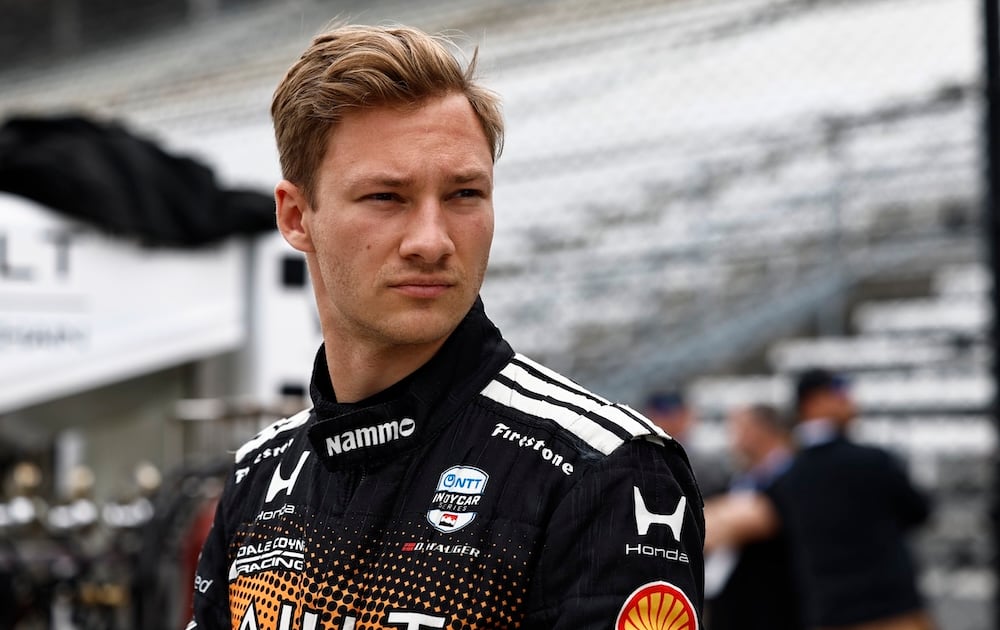
Dennis Hauger to AJ Foyt Racing: Ferrucci Out for 2027
Dennis Hauger is headed to AJ Foyt Racing for 2027, replacing Santino Ferrucci in the No. 14 Chevrolet. It’s a bold swing with real upside and plenty of noise.

Formula 1 2027 Sprint Races: Calendar to Add 10 Events
Formula 1 is set to crank sprint races up to 10 for 2027. The sport keeps chasing noise, but the old guard knows every extra gimmick comes with a bill.