
Garrett Crochet shoulder update: Red Sox won't rush his buildup
Boston’s ace is being treated like an investment, not a countdown clock.
 Beatrice Kensington6 min read
Boston’s ace is being handled with the long game in mind
Garrett Crochet arrived in Boston carrying the kind of left arm that can rearrange a rotation’s mood in a hurry. He also arrived with a body of work that makes every inning feel earned, not assumed. So when the message out of the Red Sox camp is that it is “probably not feasible” to have him stretched all the way to six innings by the end of September, the headline is not just about pitch counts. It is about caution, about patience, and about the fragile arithmetic of a season that too often asks pitchers to pay now for glory later.
For the Red Sox, this is less a setback than a statement. They are not pretending health is a switch they can flip because the calendar wants a drama-filled finish. If Crochet is not built up to a full starter’s workload by the stretch run, Boston will have to live with a more managed version of him — perhaps fewer innings, perhaps more careful spacing, perhaps a tighter leash when fatigue starts whispering in the shoulder. That is not ideal. It is also, in the real world of pitcher care, entirely reasonable.
The Red Sox have spent too many seasons learning that the romantic version of October plans often collides with a very physical March-through-September reality. Crochet’s situation sits inside that familiar tension. Teams want impact arms to become workhorses, but workhorses do not appear by decree. They are conditioned, monitored, protected, and sometimes disappointing to those who want the neatness of a five-day rhythm and the certainty of a six-inning ceiling.
There is no prize for pretending a shoulder can be hurried into obedience.
What Crochet means to a rotation that cannot afford wishful thinking
Crochet matters because frontline pitching changes the emotional temperature of a club. When he is right, he shortens nights, reduces stress, and gives a lineup room to play from ahead instead of from behind. That kind of presence has a way of altering everything around it: bullpen usage, defensive positioning, the manager’s willingness to let a game breathe.
But that value cuts both ways. The more important Crochet becomes, the more carefully Boston has to steward him. A shoulder issue is not something to bravado away. It lives in the shadows of every extra warmup toss and every inning that runs a little too hot. The Red Sox can dream about a late-season run with Crochet as a stabilizing force, but dreams do not replace a shoulder’s response to workload.
This is where the club’s broader rotation picture comes into focus. If Crochet cannot regularly get deeper into games, the burden shifts to a bullpen that would be asked to absorb more outs and more volatility. That is where one arm’s limitation becomes everyone’s problem. And if you want context for how quickly pitching depth can be tested, the injuries around the league — from the Twins’ Joe Ryan situation to the hard reality that Hunter Greene’s elbow surgery brought to Cincinnati — have made one point unavoidable: pitchers are both the engine and the liability.
September is not a magic date on the calendar
There is a kind of fan logic that says if a player can just make it to a certain month, the body will somehow cooperate because the stakes are higher. Baseball has never honored that fantasy. September does not heal shoulders. September does not turn a starter’s build-up into a neat crescendo. If anything, the last month of the season punishes teams that have spent the first five months looking away from warning lights.
For Boston, the practical question is not whether Crochet can be “stretched out” in the abstract. It is whether the organization can get useful innings from him without asking for the kind of workload that turns October into a medical chart. That distinction matters. A six-inning target sounds tidy. It sounds like a manager’s comfort blanket. It also ignores the fact that every pitcher’s readiness is shaped by mechanics, recovery, and the small, stubborn truths of the shoulder itself.
And if there is an old baseball lesson hiding here, it is this: teams are often punished not by the injury they can see, but by the one they keep trying to outrun. The Red Sox know that better than most franchises. They have lived through enough seasons where expectation outpaced structure. This one, at least for now, feels different. More adult. More honest.
Beatrice Kensington on the red line between caution and contention
I have long believed baseball treats pitcher health like a family argument everyone agrees to have in whispers. Nobody wants to sound alarmist. Nobody wants to be the person who says the quiet part plainly. Yet the quiet part is usually the truest one: if a shoulder is not ready, ambition is just another form of denial.
That is why this Crochet update feels meaningful beyond the specific inning total. It suggests the Red Sox are willing to absorb imperfect solutions now in exchange for a better chance of having him later. That is the sort of discipline contenders practice and pretenders resist. It also tells you something about how the modern game has recalibrated itself around pitcher preservation. The days of treating every good arm like a fire hose are fading. In their place is a more cautious, more rational language of usage, one that can frustrate but also protect.
The Red Sox do not need Crochet to win a September argument with a stopwatch. They need him healthy enough to matter when the games are heavier. That distinction may not satisfy the craving for instant certainty, but it is the only one worth trusting.
The real test is whether Boston can survive the restraint
What comes next is less about a dramatic return to six innings and more about whether Crochet can keep stacking competent, stable outings without the shoulder becoming the story again. The Red Sox will have to balance urgency with restraint, a tradeoff that often decides not just a player’s season, but a team’s tone.
If they get that balance right, Crochet still gives them a chance to dream. If they push too hard, they may learn the oldest lesson in pitching all over again. The arm does not care about the calendar.
And in baseball, the calendar almost always loses.
More from Straight From The Bench
Comments
Join the conversation — sign in to leave a comment.
Sign in to commentRelated Stories
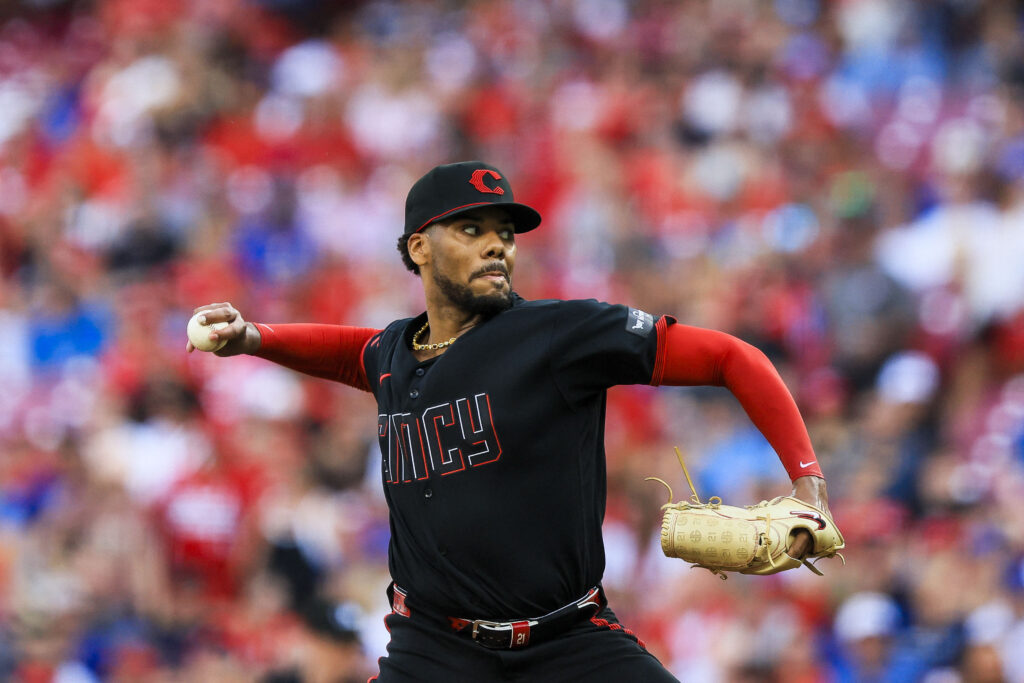
Hunter Greene Elbow Surgery: Reds Ace Faces Another Hurdle
Hunter Greene’s elbow surgery is a brutal blow to a Reds club already learning how thin pitching depth can get. The calendar keeps moving, but Cincinnati’s margin for error just shrank again.
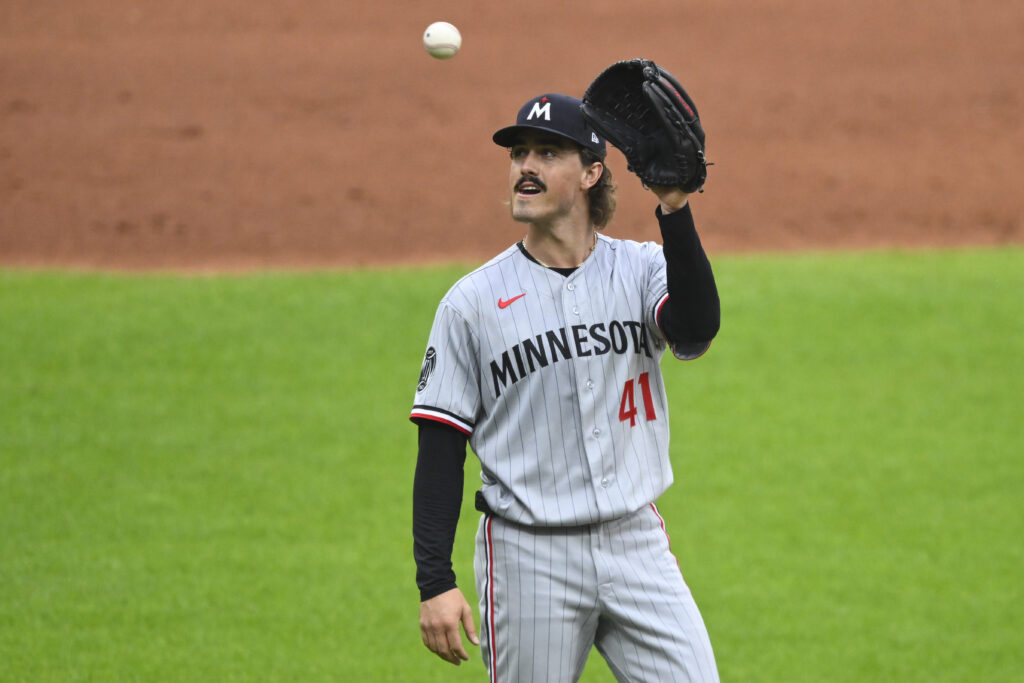
Twins Joe Ryan Injury Update: Minnesota's rotation takes a hit
Joe Ryan is headed to the injured list, and the Twins can’t afford many more cracks in a rotation already carrying real playoff pressure.

Cubs vs Blue Jays: Alex Bregman and PCA steal a win
The Cubs were buried two runs deep in the ninth and still walked out with a win. Alex Bregman and PCA dragged the thing back by the collar.