Garrett Wilson trade update: Jets star wants wins, not out
The message is simple: feed him, fix it, or keep hearing about it.
 Zane Miller5 min read
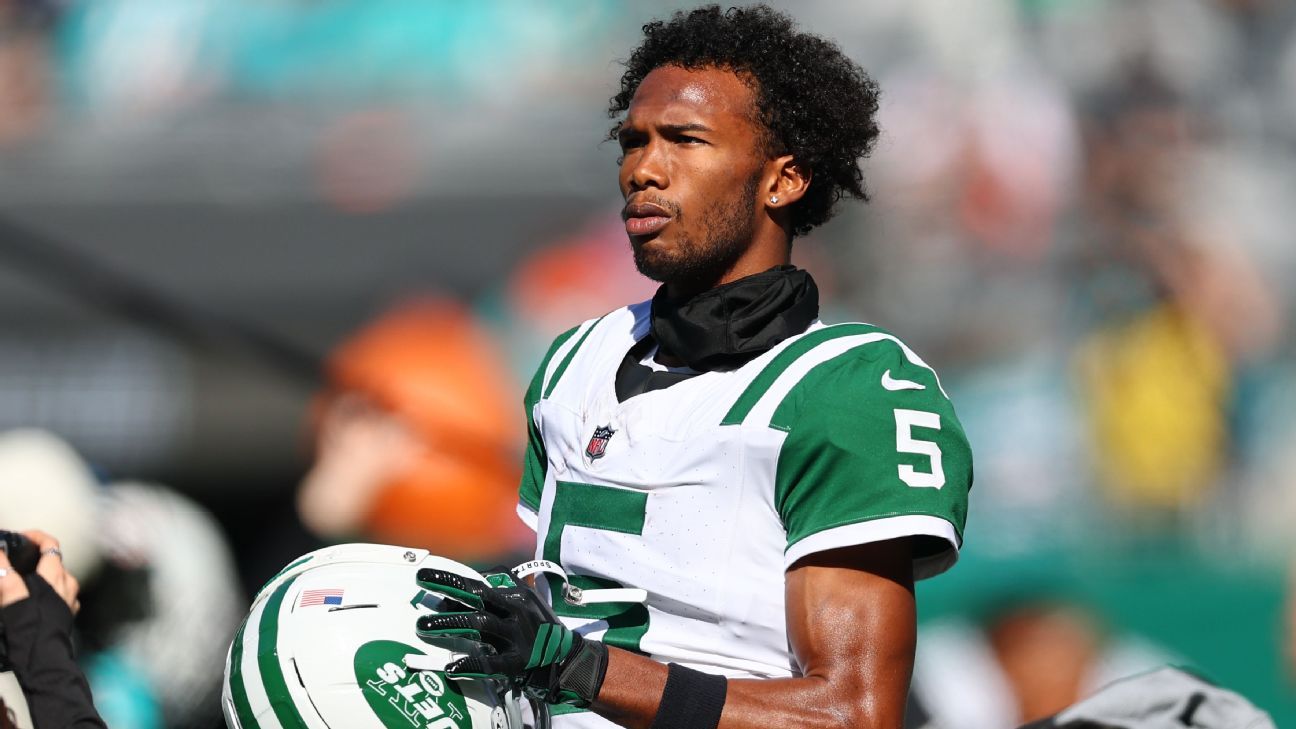
Garrett Wilson just did the part players usually try to dodge. He drew the line without lighting the whole house on fire. No trade demand. No public exit ramp. Just a very loud reminder that the New York Jets have a franchise receiver who is tired of being treated like an accessory.
That matters because Wilson is not some depth-piece venting after a bad Sunday. He’s the guy the offense is supposed to orbit. He’s paid like a centerpiece, defended like a centerpiece, and now he’s speaking like one. The frustration is obvious: limited target share, too many empty possessions, and a team that keeps asking its best pass catcher to smile through the pain while the scoreboard turns ugly.
Wilson is sending the Jets a message, not a goodbye note
The cleanest read here is also the most uncomfortable for Aaron Glenn and the Jets’ decision-makers: Wilson wants the organization to act like winning is the priority, because he already is.
Players in this spot usually choose one of two lanes. They either go nuclear and force a move, or they say the right things and let the resentment simmer behind closed doors. Wilson split the difference. He said he doesn’t want to be traded, which keeps the relationship intact. He also made it plain that being stuck in a losing setup is wearing thin.
That is not small stuff in a league where wide receivers are increasingly willing to leverage frustration into leverage. Ask around the NFL and execs will tell you the same thing: when a young, high-end receiver starts talking like this, the temperature in the building changes fast.
The target-share frustration is the real story
This is not about vanity. It’s about usage and trust.
Wilson has been the kind of receiver who can win from different spots, with different quarterbacks, in different game scripts. That makes his frustration even sharper. If you have a player with that profile and he still feels underfed, the issue is rarely just one route or one game. It’s usually the whole structure around him.
And that’s where the Jets have to be careful. The league doesn’t punish only bad play-calling anymore. It punishes predictability. If defenses know where the ball is going, or know the Jets don’t have enough answers to keep coverage honest, then Wilson becomes a weekly ledger entry instead of a threat.
That’s how good players get annoyed. Not because they’re being dramatic. Because they can see the tape.
The comparison I keep coming back to is how teams talk about elite young skill players versus how they actually deploy them. Everybody says “we need to get our playmakers touches.” Then the game starts, the offense stalls, and the volume dries up. That gap between speech and usage is where resentment grows.
Winning fixes almost everything. Losing ruins the rest
Here’s the part the Jets can’t spin: Wilson’s biggest gripe isn’t the route tree, the quarterback room, or even the target totals by themselves. It’s the losing.
That’s the part executives always know but hate hearing out loud. Production grievances are easier to patch than culture problems. If a player is mad about touches, you can redesign the offense. If he’s mad because the team keeps stacking losses, now you’re dealing with morale, belief, and the slow leak that comes with a season going sideways.
The Jets don’t have a Garrett Wilson problem. They have a credibility problem.
That’s why this lands harder than a routine postgame complaint. Wilson is basically saying the same thing every frustrated star says in private: give me a reason to believe this is heading somewhere.
And for a front office, that’s the alarm bell. Because once a receiver starts framing things around winning instead of just usage, it means the stat line is no longer the main issue. It’s the direction of the franchise.
For context, this is the kind of moment that can shape a season’s internal narrative. The Jets can either respond by leaning into Wilson as the focal point or spend the next few weeks answering the same questions about whether their best receiver is happy. Neither path is ideal, but one of them at least looks like competence.
What this means for the Jets’ offense from here
The immediate pressure is on the passing game to look less fractured and more intentional. Wilson doesn’t need a public apology tour. He needs meaningful involvement and a game plan that makes sense from the opening drive, not after the offense gets backed into a corner.
That puts the spotlight on whoever is steering the offense and on how the Jets want to define identity. If they want to keep a star receiver engaged, they can’t keep running the kind of stale, disjointed product that turns every week into a postmortem.
And make no mistake: teams around the league are watching. When a player like Wilson says he doesn’t want out but wants to win, that’s agent-speak without the agent. It’s a warning shot wrapped in professionalism.
I’ve seen this movie before. It usually ends one of two ways. Either the team adjusts, feeds the player early and often, and the whole thing cools off. Or the noise keeps building until everybody pretends it was inevitable. The difference is whether the organization hears the message before the frustration turns from manageable to structural.
The Jets still have time to keep this from becoming a season-long shadow. But they’d better act like they understand what Wilson just said. He already does.
Watch the next game scripts, the first-quarter targets, and the body language. That’s where this story really lives now.
More from Straight From The Bench
Comments
Join the conversation — sign in to leave a comment.
Sign in to commentRelated Stories
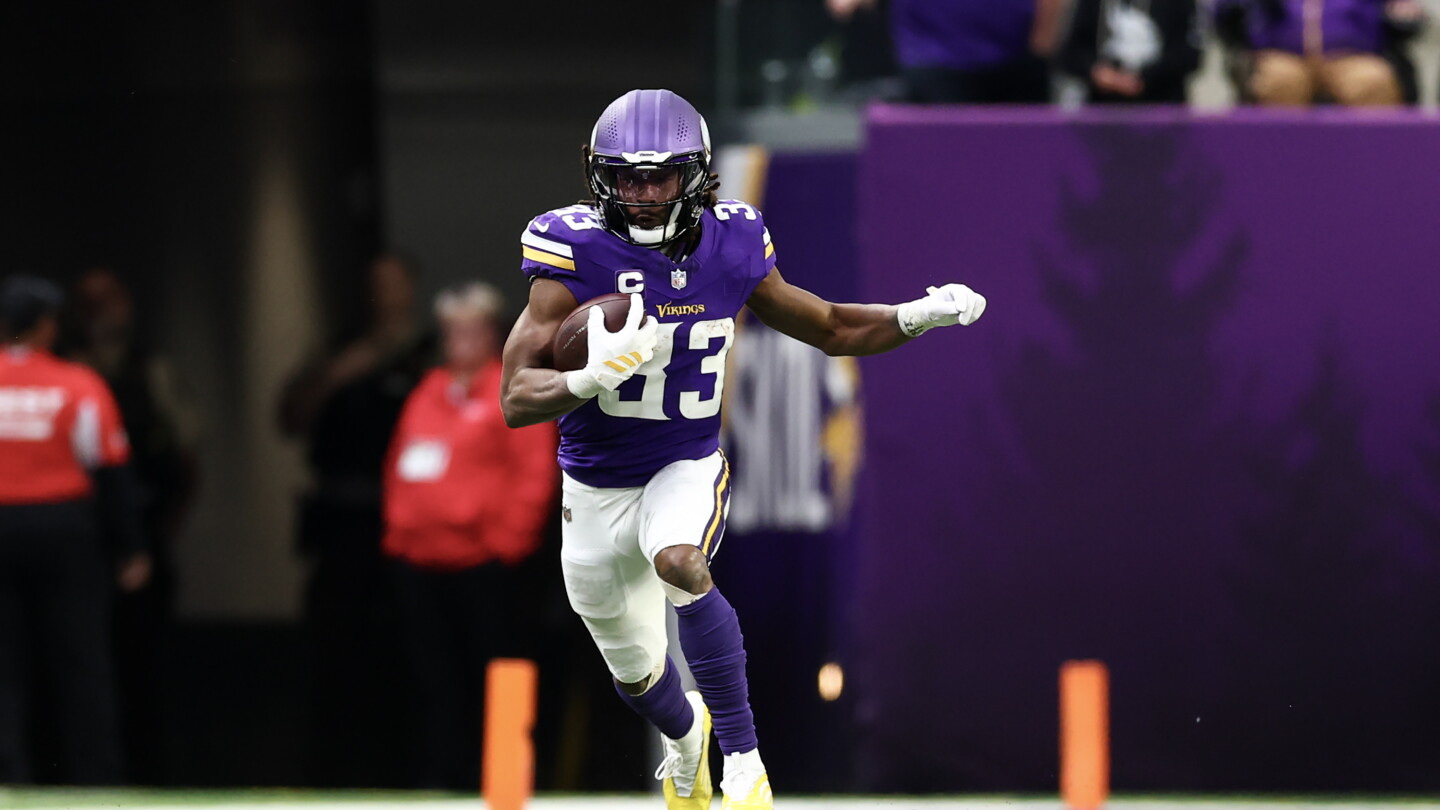
Aaron Jones knee injury update: Vikings manage workload this week
Aaron Jones has avoided a serious knee injury, but the Vikings are already treating this as a week of caution. For a team built on timing and balance, that matters.
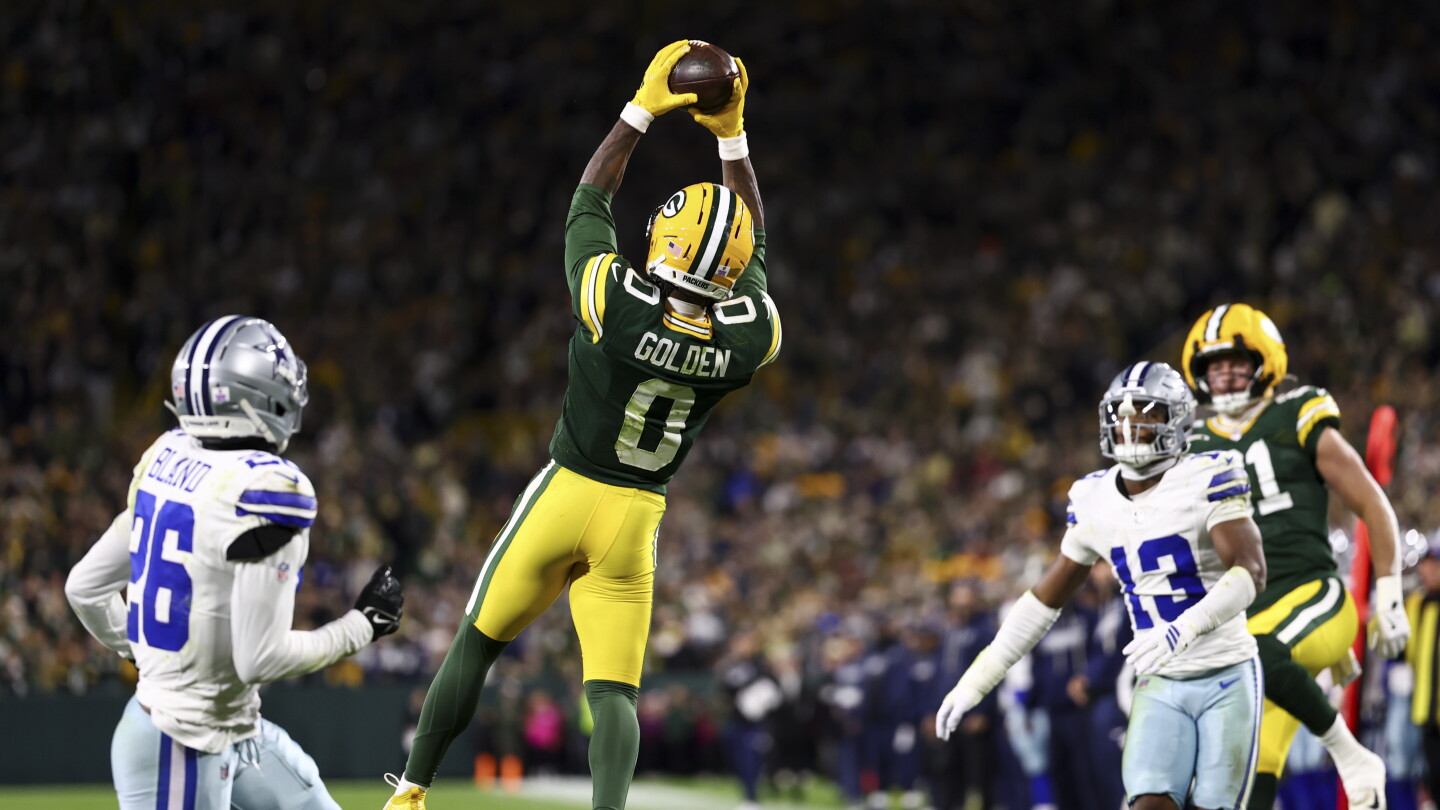
Packers Injury Update: Matthew Golden, Devonte Wyatt Questionable
Green Bay heads into a short week with Matthew Golden and Devonte Wyatt both in the balance. In the NFL, that kind of uncertainty bends game plans before kickoff.
Dan Campbell Fourth Down Philosophy: Uncle Buck and the Lions
Dan Campbell turned a fourth-down debate into a family-movie lecture, and that tracks. The Lions coach is still betting on his gut, even when it makes half the town squint.