
George Pickens Contract Deadline: Cowboys Play 2026 on $27.3M Tag
Dallas gets one more year of star power — and one more year of risk.
 Zane Miller5 min read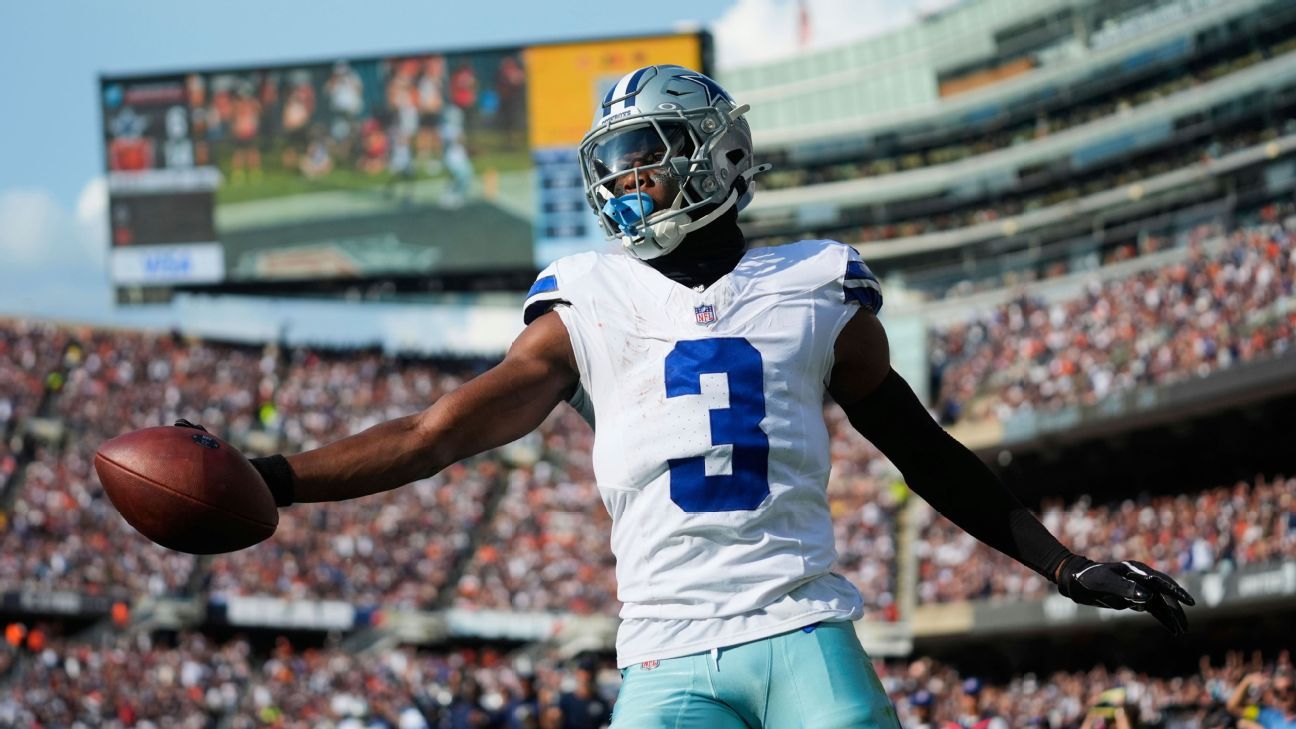
The deadline came and went, and Dallas kept the star receiver on ice
George Pickens is officially playing the 2026 season on his $27.3 million franchise tender after the long-term deadline passed Wednesday at 4 p.m. ET. No extension. No late-summer miracle. Just a very expensive one-year bet for the Dallas Cowboys.
That’s the headline. The real story is leverage, and the Cowboys just surrendered a chunk of it.
Pickens is still in his prime window, still the kind of receiver who changes how defenses line up, and still the sort of player front offices hate to lose for nothing. That’s why tags exist. They buy time. They also buy pressure.
Dallas didn’t lose Pickens today. It just bought itself another season of uncertainty at starter money.
What the $27.3 million tag actually tells you
A franchise tag is never just a sticker price. It’s a message. In this case, the message is simple: the Cowboys wanted to keep Pickens in the building badly enough to pay premium cash, but not badly enough to commit to a deal that would lock in years of cap exposure.
That matters because receiver contracts have been marching up the board for years, and teams know it. Once you start paying big at wideout, you are choosing your cap structure for the next few seasons, not just rewarding one player. Dallas clearly decided it could live with the 2026 number more than it could live with the long-term risk.
And from Pickens’ side? He’s got protection, yes. He also has a one-year runway to prove the tag wasn’t the ceiling, but the floor.
If you want the broader context on how teams flirt with this kind of delay, look at the way other rosters have handled crucial veteran decisions. The Cowboys have already shown a willingness to let deadlines pass when the price and the term don’t match up, much like the call they made in George Pickens Contract Deadline: Cowboys Let It Pass. Same team, same hard edge, same front-office math.
Why this matters more for Dallas than it does for most teams
The Cowboys don’t operate in a vacuum. They’re always juggling relevance, expectation, and the constant demand to keep a contender’s window open without detonating the cap. That’s the entire act.
A receiver tag at this number has ripple effects. It affects how the Cowboys structure future money, how aggressive they can be elsewhere, and how much patience they’ll have if Pickens wants more targets, more touches, and more control over his role. A tagged player can be a locker-room fit. He can also become a weekly reminder that everybody knows the clock is ticking.
The Cowboys already know what unresolved high-end decisions do to a season. This is the same franchise that keeps finding itself in the middle of noise around premium talent, whether it’s Jalen Brunson ESPY Awards: Knicks Guard Owns the Summer type headline energy in another sport or their own recurring dance with star valuation. Dallas lives in the spotlight. Uncertainty here does not stay quiet.
Pickens brings production upside that can tilt games, especially in a league where one contested catch can flip a drive. But a tagged receiver also carries a built-in tension: every big game boosts his asking price, and every quiet stretch makes the tag feel like a test the team handed him on purpose.
The Cowboys chose flexibility over certainty
This is the part executives love and fans usually hate. The tag preserves options. It keeps Dallas from overcommitting to a deal that might age poorly. It also leaves them exposed to a breakout year that could make Pickens even more expensive next spring.
That’s the franchise-tag trap. You pay top dollar for a temporary solution, then spend the season pretending it was always part of the plan.
From the outside, the Cowboys’ calculation looks obvious: they believe Pickens is good enough to keep, but not so easy to project that they were ready to write the kind of long-term guarantee elite receivers demand. Maybe that’s caution. Maybe that’s discipline. Around the league, it reads as both.
And make no mistake, agents around the NFL notice this stuff. They track the teams that blink, the teams that stall, and the teams that keep kicking major decisions into the next calendar. Front offices may talk about alignment, but players hear the message just fine.
As a columnist, I’ll say this straight: the Cowboys made a rational football move, but rational doesn’t mean comfortable. If Pickens hits, the tag looks smart for one season and stressful after that. If he doesn’t, the club will still have burned premium cash on a temporary fix. That’s the business. No clean edges.
What to watch now in Dallas
The next storyline is easy: how Pickens responds. Tagged players can either play with a chip on their shoulder and turn the season into a contract tour, or they can press. Dallas needs the first version.
Also watch how the offense treats him early. Tagged stars are watched differently in camp, in the huddle, and in the red zone. If the Cowboys lean into him as a centerpiece, the tag can feel like a placeholder. If they scatter the usage, the whole thing starts to look more like a cold standoff dressed up as business.
There’s also the practical cap angle. A one-year tender gives Dallas breathing room now, but it doesn’t erase the future bill. If Pickens performs, the organization will be right back at the same table, only with a higher number and less leverage. That’s how these things usually go.
For fans, this is the annoying part of modern roster building: the talent is real, the cost is real, and the middle ground almost never lasts.
Dallas has Pickens for 2026. That part is settled. The bigger question is whether this is the year he turns the tag into proof — or just the opening chapter of another expensive Cowboys negotiation.
More from Straight From The Bench
Comments
Join the conversation — sign in to leave a comment.
Sign in to commentRelated Stories

George Pickens Contract Deadline: Cowboys Let It Pass
The Cowboys let George Pickens’ long-term deadline sail by without a deal. That tells you plenty about how they see him — and how they’re playing this thing.
Alvin Kamara Contract Update: Saints Rework Deal to Keep RB
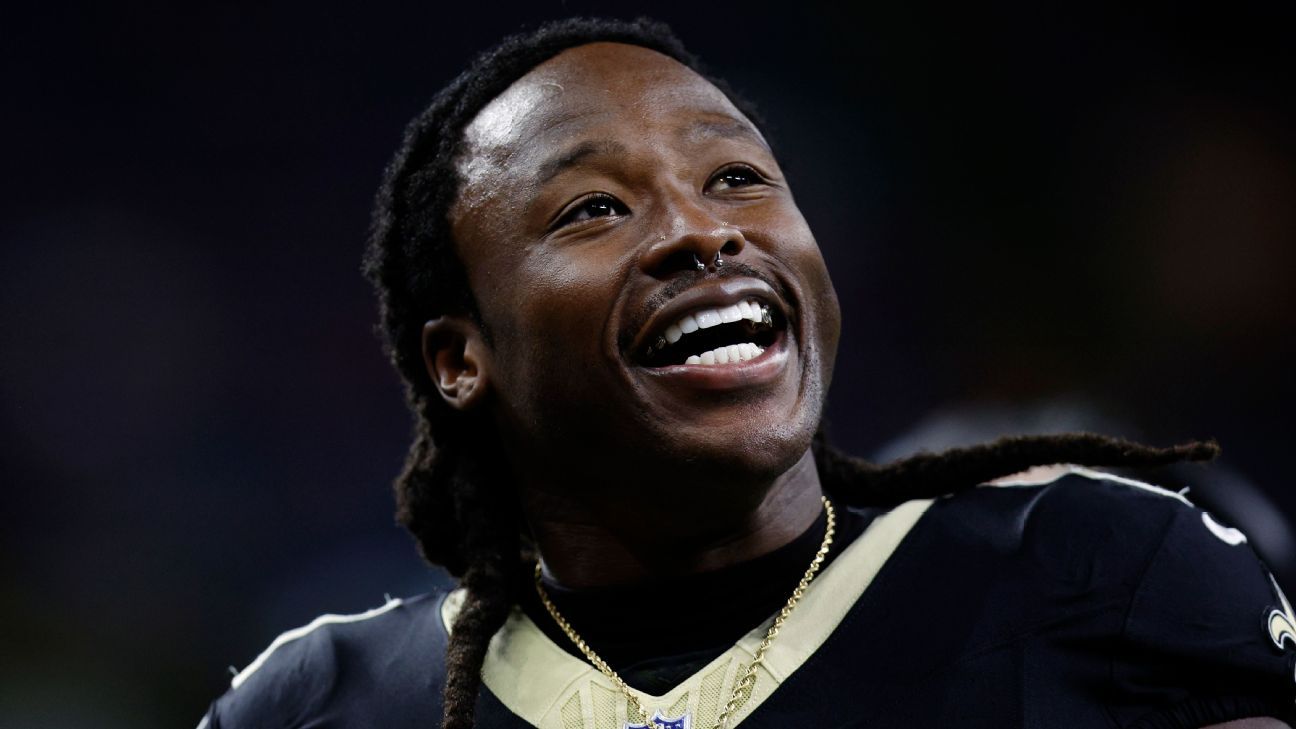
Alvin Kamara is staying in New Orleans on a reworked deal, a move that keeps the Saints’ most electric veteran in the fold. It is a familiar Saints wager: preserve the present, and hope the future can
Texans co-founder Janice McNair dies at 89: Houston loses its matriarch
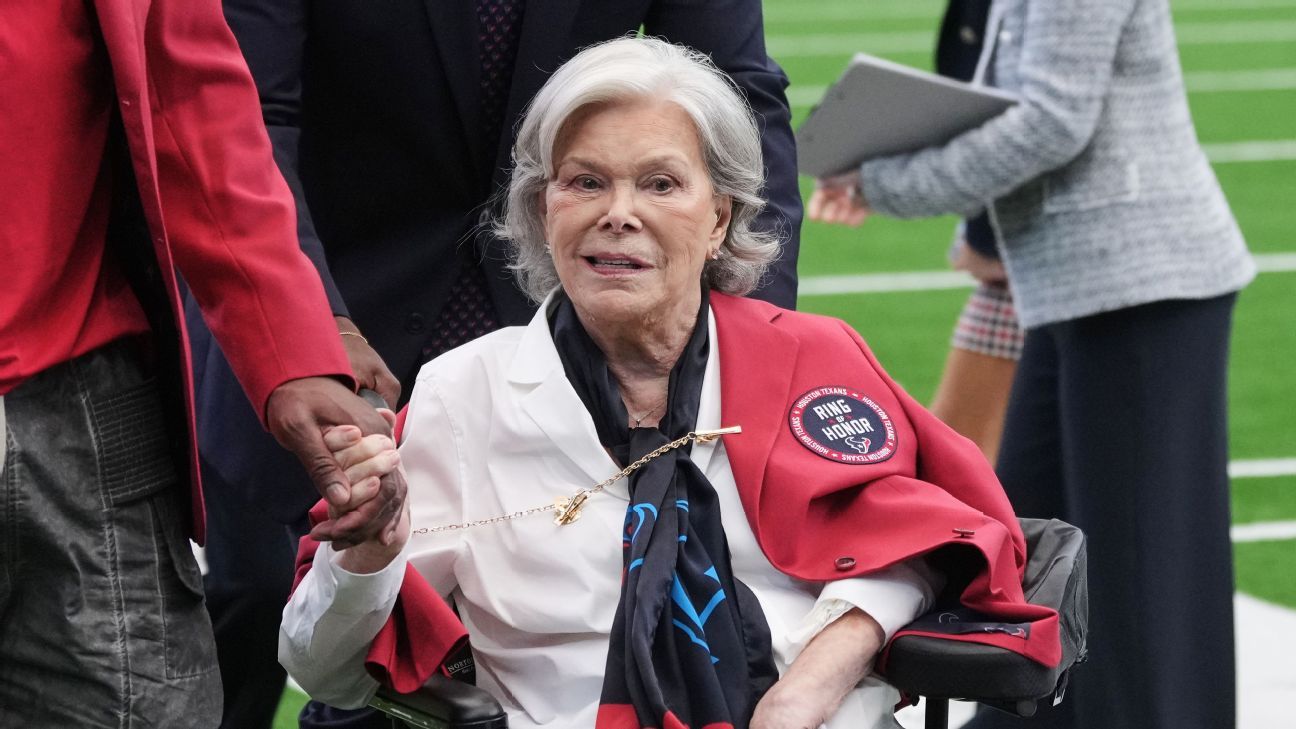
Janice McNair helped shape the Texans from the beginning and carried the franchise with uncommon grace. Her death closes a meaningful chapter in Houston sports.