
Giancarlo Stanton Calf Injury Update: Yankees Facing Another Shut-Down
The Stanton cycle keeps spinning, and the Yankees keep paying for it.
 Zane Miller6 min read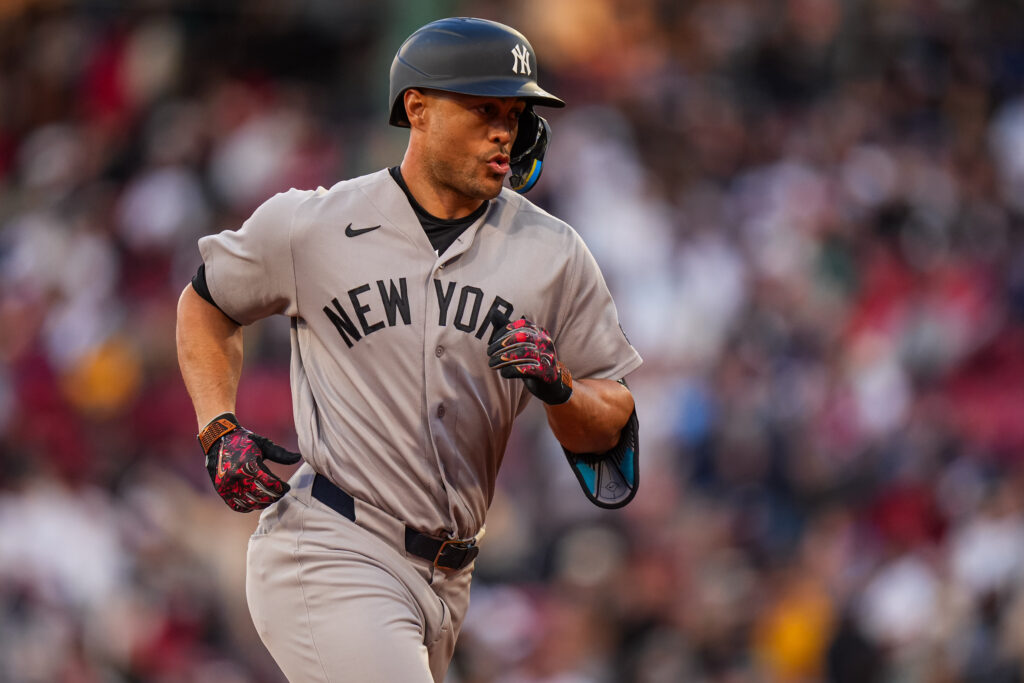
Giancarlo Stanton’s body has turned into the Yankees’ loudest warning light. A new calf injury, layered on top of the right calf strain and the June tweak that already wiped out his run of availability, is pushing this 2026 season toward the same ugly place so many Stanton seasons eventually reach: caution tape, rehab work, and a lineup built around what he might do instead of what he’s actually doing.
The timing stings because this wasn’t supposed to be the script. Stanton had been grinding toward a return, and that alone tells you how fragile the situation has become. When a veteran power bat is working back from the same lower-body area and then aggravates it again, teams stop talking about day-to-day. They start talking about patience, setbacks, and whether the calendar has already won.
The calf is the story, but the age curve is the backdrop
This isn’t just a random pull in July. It’s the kind of injury that hits harder for a player whose value is tied to explosive force. Stanton’s whole offensive identity is built on torque, balance, and violent lower-half rotation. If the calf isn’t right, the swing doesn’t just lose rhythm — it loses the edge that makes him Giancarlo Stanton in the first place.
The Yankees know this better than anybody. They’ve lived through the version of Stanton that can carry an offense for a week and the version that disappears for stretches because the legs won’t cooperate. He’s not a middle infielder getting a nagging soft-tissue issue. He’s a massive, right-handed slugger whose power is supposed to age differently because the bat speed is still there. But the lower half doesn’t care about reputation.
This is where roster construction gets exposed. If your lineup is built with one or two right-handed thumpers who need protection and one of them is constantly in and out, the ripple effect is real. Pitchers can pitch around the rest. The lineup gets thinner. And every other hitter feels the pressure to do too much.
What this means for the Yankees’ lineup construction
The Yankees can talk all they want about depth, versatility, and next-man-up stuff. That doesn’t change the math. Stanton is a specific kind of hitter, and replacing that production is never as simple as filling a seat. You don’t find 30-homer thunder in the bargain bin, and you definitely don’t find it in August without paying in prospects, cash, or both.
If Stanton is out again, it changes how the Yankees manage every inning. The manager has to decide whether to chase platoon edges, how to protect the middle of the order, and whether to keep hoping for a late-season power burst or start treating his slot like a rotating problem. That has real downstream effects on usage, on pinch-hit decisions, on how aggressive they get in the trade market, and on how much they ask from the rest of the roster.
There’s also the postseason angle, and this is where the injury really bites. The Yankees don’t need Stanton for 162 games in the abstract. They need him available when October pitchers stop missing their spots. If he can’t stack healthy reps now, then the odds of him being a weapon in a short series get worse by the day.
The Yankees don’t need another medical update. They need a plan that doesn’t depend on one fragile bat making it to October upright.
Why this keeps happening with Stanton
There’s a brutal honesty to this situation: Stanton is still dangerous when healthy, but “when healthy” has become the whole issue. Every calf strain changes the way a hitter loads, plants, and drives through the ball. Then comes the compensation pattern. One area gets protected, another gets stressed, and the injury report starts looking like a chain reaction instead of a single event.
For a player of Stanton’s profile, the margin is tiny. He doesn’t survive on spray hits and easy contact. He survives on damage. So even if he returns, the Yankees are always trying to answer the same question: does he look close enough to himself to matter, or is he playing at 70 percent with the name recognition of a guy who’s supposed to be able to alter a game with one swing?
I’ve seen this movie before with big-bodied sluggers who live on lower-half force. The decline doesn’t always arrive as a dramatic cliff. Sometimes it comes as a thousand small interruptions. One hamstring. One calf. One back issue. Then the schedule starts beating the player before the opposing pitcher does.
And here’s my read: the Yankees can’t keep pretending this is just unlucky timing. At some point availability becomes part of the projection. If a hitter’s best trait is power and his legs keep sending him to the shelf, the front office has to plan around absence, not hope for resilience. That’s not a knock. It’s roster reality.
The market logic is harsh, but it’s real
This is where the Yankee brain trust earns its keep. A club with championship expectations can’t let one injured bat dictate the whole offensive shape. Maybe that means more short-term flexibility. Maybe it means more reps for a younger hitter. Maybe it means they need to be ready to shop for help if the injury timeline stretches.
The trade market always gets more expensive when teams smell desperation. Everyone knows who needs power, who needs a right-handed bat, who needs a DH fallback. That’s why injuries to stars matter beyond the clubhouse. They change leverage. They change how aggressively a contender can shop, and they change how badly a seller can squeeze.
The Yankees also have to think about the long game. If Stanton’s 2026 campaign is truly headed toward a shutdown, the organization has to ask how many more seasons it can keep counting on intermittent availability from a player whose contract and profile still loom so large. That’s not a simple yes-or-no call. It’s a strategic problem with cap-style consequences, just in baseball terms: sunk cost, roster friction, and opportunity cost.
For more on how injuries can completely reshape a contender’s depth chart, the Andy Pages hand injury situation showed the same truth from a different angle. One absence can force a team to rewrite the script in a hurry.
What to watch next in the Stanton saga
The next checkpoint isn’t just whether Stanton is back on the field. It’s whether the Yankees stop speaking in hopeful increments and start making decisions like a team that expects a longer absence. Watch the roster moves, the injury phrasing, and the way the lineup is aligned over the next few days. Those details usually tell the real story before the official update does.
If this is another extended shutdown, the Yankees will have to get creative fast. If it’s somehow shorter than it sounds, they still have a bigger issue: trust. Once a player’s lower half keeps failing him, every return comes with a question mark attached.
Stanton still changes a game with one pitch. The problem is getting him to the bat rack in one piece. That’s the part the Yankees have not solved.
The calendar is moving. So is the pressure.
More from Straight From The Bench
Comments
Join the conversation — sign in to leave a comment.
Sign in to commentRelated Stories
Andy Pages Hand Injury: Dodgers Lose Center Fielder for Weeks
Andy Pages is out 4-5 weeks with a fractured hand, which likely wipes out most of his regular season. The Dodgers now have to patch center field and keep the lineup from thinning out.
Ketel Marte casino incident: Diamondbacks star misses Reds game
Arizona won without Ketel Marte, but the bigger story is the empty seat and the message it sent. This one hits a clubhouse that’s trying to stay in the race.
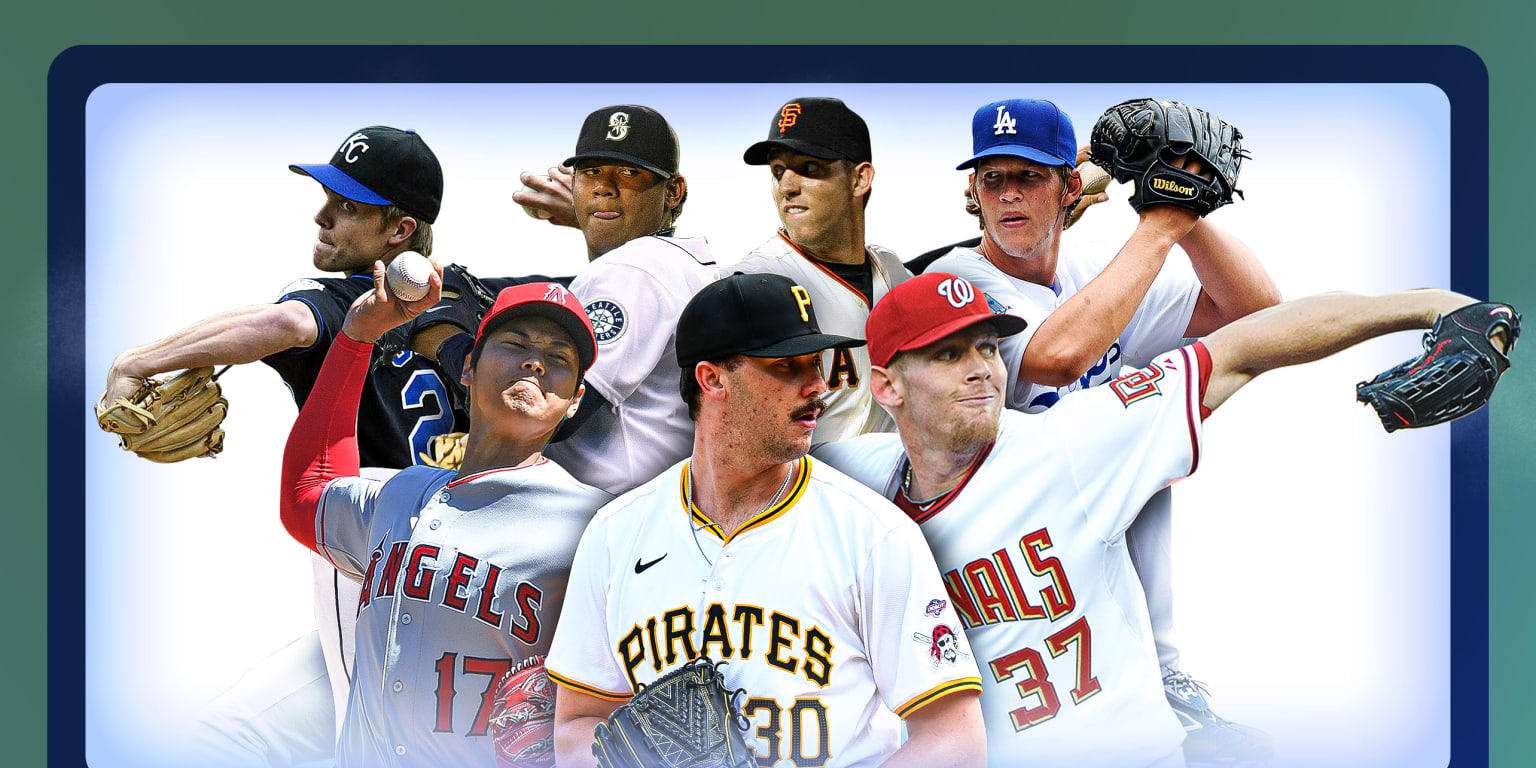
Kade Anderson MLB debut: Mariners prospect joins elite pitching list
Kade Anderson gets the ball for his Major League debut Saturday in Seattle, and the pedigree is obvious. The Mariners are rolling out one of the most watched pitching arrivals of the year.