
Haas F1 2027 Driver Decision: How One Test Day Changed Everything
TPC wasn’t busywork. It quietly rewired Haas’ driver board.
 Zane Miller5 min read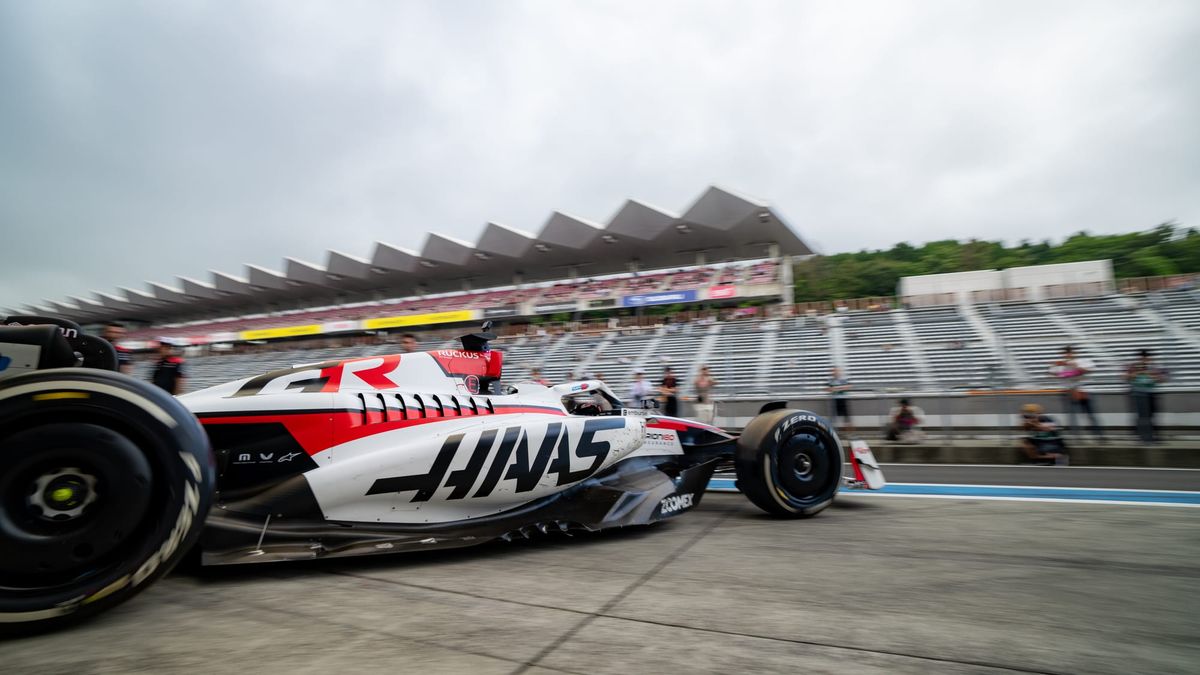
Haas didn’t stumble into its 2027 driver direction by accident. One test day, one evaluation window, one stretch of data from the Formula One team’s Testing of Previous Cars program changed the board enough that the team likely would have gone another way without it. That’s the part worth paying attention to. In a sport where personnel calls are supposed to be built on layers of sim work, long-term scouting and timing, an old car on old tires still found a way to tilt the future.
This is why TPC matters so much more than the nostalgic label suggests. It’s not a museum exercise. It’s not a trophy lap. For a midfield operation like Haas, every chance to watch a driver in a real car under real pressure is a scarce asset. Simulator numbers are useful, sure. But they don’t settle the argument the way actual mileage does. You can fake comfort in a briefing room. You cannot fake how a driver responds when the rear steps out, the tires go off, and the team wants answers now.
Haas just got proof that TPC is roster building, not just seat filling
The big takeaway here is simple: Haas used Testing of Previous Cars as a true talent filter. Not a vanity run. Not a marketing nod to development. A filter.
That matters because teams in Haas’ lane live with thinner margins than the giants. They don’t get to burn half a season on a wrong read. They have to identify the driver who gives them the best blend of pace, feedback and adaptability before everyone else on the market starts moving pieces around. That’s why the team’s 2027 choice feels tied so tightly to one specific test-day experience. Once a driver shows something the numbers can’t fully capture, the conversation changes fast.
And yes, the market itself is part of the story. Ferrari’s junior pipeline is always part of the chessboard, and Rafael Camara sitting in the mix tells you the team is looking not just at present value but at future leverage. Juniors come with upside, but also with a learning curve that can be unforgiving in a team that needs clean execution. Haas has spent years trying to balance raw speed with a driver who won’t force the engineers into constant rescue mode.
Why one old car can expose a future F1 starter
There’s a reason executives like these test programs even when they pretend otherwise. The data is richer than a simple lap time sheet. With a previous-spec car, the team can isolate how a driver handles feedback, manages tire life and translates direction from the garage into actual performance. Those little habits turn into big outcomes once the season starts.
That’s especially true for a team that has often had to live in the margins of the constructors’ fight. Haas doesn’t have the luxury of picking a driver and assuming the rest will sort itself out. If the steering input is messy, if the communication is vague, if the driver only shines on fresh rubber and otherwise disappears, the team feels it everywhere: strategy, race pace, development focus, confidence in the garage.
This is the part fans miss when they treat driver decisions like pure headline theater. A seat is never just about the fastest lap. It’s about whether the person inside it helps the team build a repeatable operating model. TPC gave Haas something close to an audition in a setting that still resembles the real thing, and apparently that one run or sequence of runs carried enough weight to reframe the 2027 call.
The Ferrari junior angle makes this even sharper
If you’re tracking the driver ecosystem, this smells like one of those decisions where timing beats theory. A Ferrari junior can look excellent in the abstract. The branding is clean. The upside is obvious. The pipeline is famous for a reason. But a junior driver also has to fit the team’s immediate needs, and those needs are rarely glamorous.
Haas has to ask whether a prospect is ready to extract performance without a long runway. If the answer is yes, you can live with development. If the answer is maybe, you start looking for a steadier hand. The TPC program can be the bridge between those two truths. It turns “promising” into “usable” or “not yet,” and in a sport with limited seats, that distinction is brutal.
In Formula 1, one proper test day can matter more than a dozen flattering simulator runs.
My read: this is how modern F1 really makes decisions
I’m telling you, this is the real sport now. Not just the racing Sunday to Sunday, but the hidden decision tree behind the scenes. The teams that survive are the ones that create more informed shots at the roster than their rivals. Haas did that here. They built an evaluation lane that forced a cleaner answer, and the answer had consequences.
I’ve seen enough of this game to know how often driver markets get reduced to branding, nationality, academy ties or public momentum. Those things matter right up until they don’t. Then the engineering group gets in the room, the performance traces get spread across the table, and one test sometimes outweighs months of chatter. That’s not romantic. It’s modern F1.
What this also signals is that Haas believes process can be an edge. That’s smart. Midfield teams don’t always win by outspending anyone. They win by making fewer bad bets. If the TPC program helped steer them toward the 2027 line-up they actually trust, that’s not just a driver story. That’s organizational competence.
If you want the bigger picture, watch how other teams treat these old-car tests from here. Once one outfit finds real value, the rest tend to notice. And in this paddock, copied advantages don’t stay hidden for long.
The 2027 picture is still moving, but the line between “interesting option” and “real target” just got a lot clearer. Expect the next round of driver chatter to sound different.
More from Straight From The Bench
Comments
Join the conversation — sign in to leave a comment.
Sign in to commentRelated Stories
Red Bull Laurent Mekies Contract Extension: Team Principal Locked In
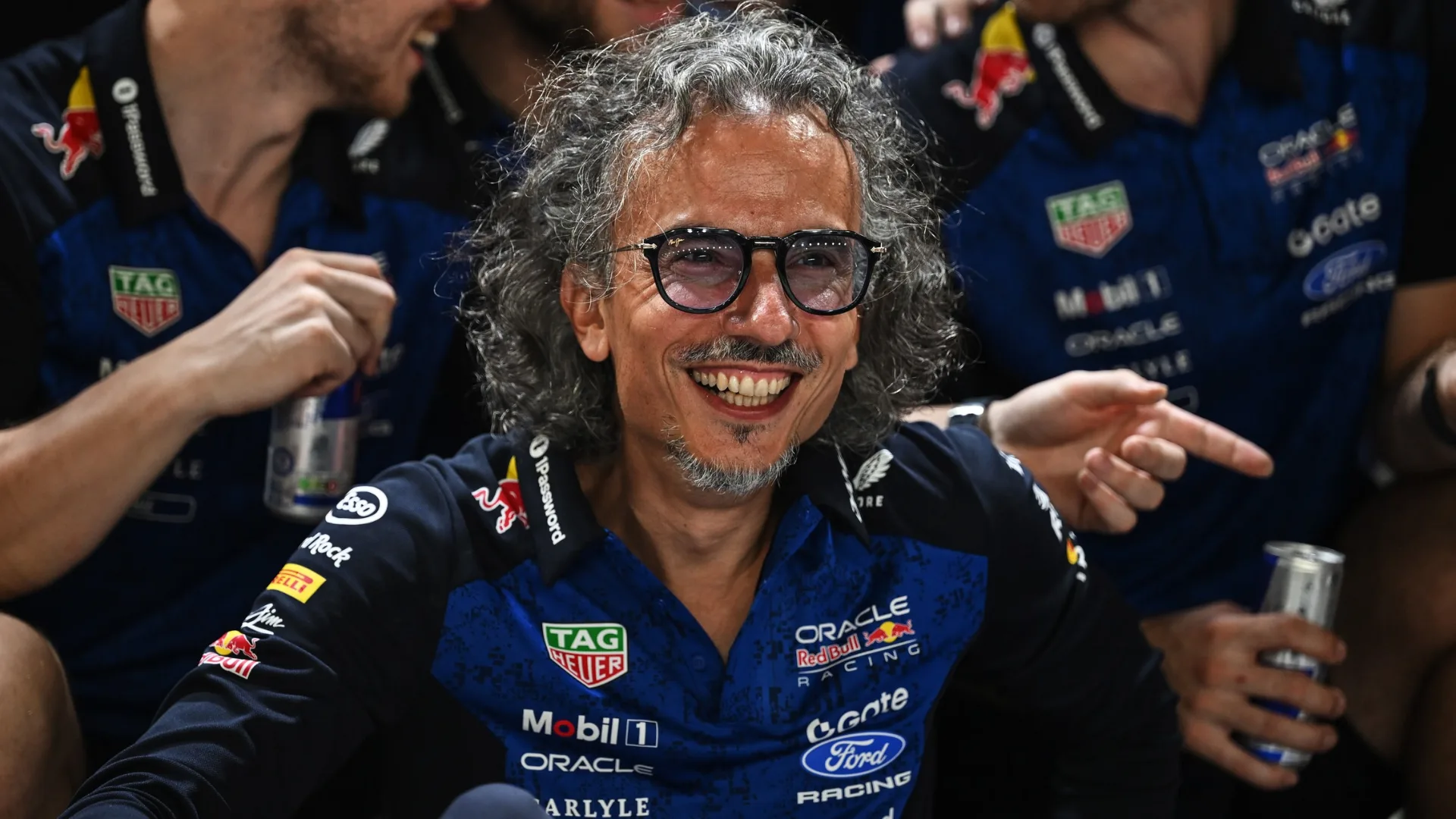
Red Bull has tied Laurent Mekies down through 2031, a clear sign the team wants steadiness over circus acts. In Formula 1, that usually means somebody finally learned the lesson.

Sonay Kartal Wuhan Open: Brit beats Svitolina to reach semis
Sonay Kartal kept her surge rolling in Wuhan, taking down fifth seed Elina Svitolina and turning a comeback season into a proper statement.
Dodgers vs Brewers NLCS Sweep: L.A.'s Repeat Bid Ends
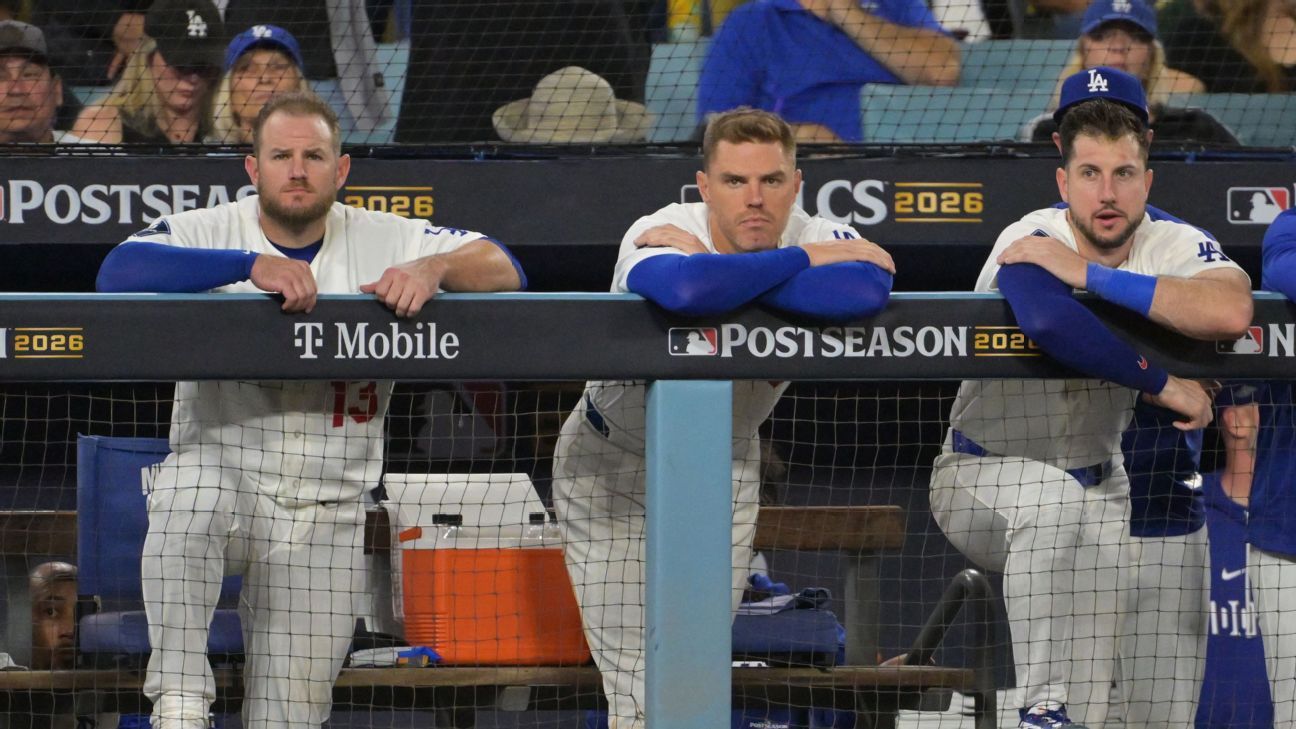
The Dodgers’ three-peat chase ended in a 6-4 NLCS loss, with Milwaukee leaving no easy alibis behind. This was less a collapse than a clear-eyed lesson in October pressure.