
Hyrox apology after Beijing incident puts race standards in focus
A brutal scene, a messy call, and a wake-up moment for endurance racing
 Zane Miller4 min read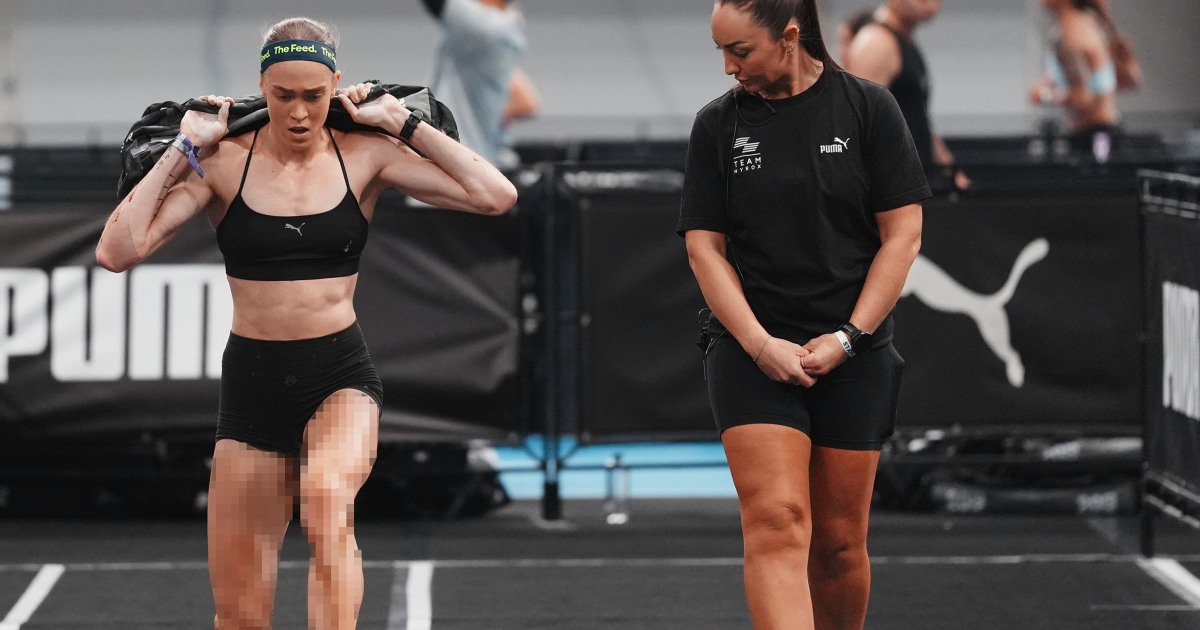
A race that turned into a test of judgment
Hyrox spent part of the week dealing with a problem no organizer wants anywhere near its brand: a competitor was allowed to keep going in Beijing after visibly soiling herself on course. The footage and photos did the damage fast. Once something like that is out in the open, you’re not just managing an incident anymore — you’re managing trust.
This is bigger than one ugly moment. Hyrox has built its identity around grit, suffering, and the clean-cut aesthetics of functional fitness. The whole pitch is that this is the sport for the work-obsessed, the measurable, the repeatable, the people who treat a race like a spreadsheet with heart rate spikes. That image takes a hit when basic duty-of-care questions land on the floor.
Why the optics matter more than the apology
The apology matters, sure. But apologies are the cheapest currency in sports. The real issue is what the officials on site saw, what they were told, and why nobody stepped in sooner.
In endurance and hybrid events, organizers love to market toughness. They sell suffering. They sell “finish no matter what.” But every serious race director also knows there’s a line between competition and negligence. If an athlete is compromised, the people running the event need to know when to intervene. That line gets even thinner in a fast-growing global property like Hyrox, which is trying to scale from niche fitness culture to a standardized international competition.
This is the part that should worry the brand people. Hyrox doesn’t just need athletes; it needs gym owners, affiliates, sponsors, and everyday entrants to believe the competition is handled professionally. One viral moment like this can do more damage than a month of polished marketing.
Athlete welfare is now the headline
The most uncomfortable layer here is simple: once a body is clearly in distress, the event isn’t just about timing splits anymore. It’s about whether the system has enough medical and operational authority to protect the person on the floor.
That’s where the conversation widens beyond one athlete and one race. Sports have spent years learning, usually the hard way, that visibility doesn’t equal responsibility. A lot of events can stream beautifully, look vibrant on social, and still be thin on the stuff that matters when an athlete is in trouble. If Hyrox wants to keep growing, it needs the public to believe that the floor staff, judges, and medical teams are empowered to make the hard call — even if an athlete wants to push through.
The comparison that keeps coming to mind is how other emerging sports mature. The first phase is always hype. The second phase is standards. The ones that last are the ones that move from “look how intense this is” to “look how responsibly this is run.” That jump is expensive, unglamorous, and absolutely necessary.
Toughness sells tickets. Competence keeps a sport alive.
What this means for Hyrox’s growth curve
If you’ve followed the growth of Hyrox, you know the sport has been moving on momentum, accessibility, and a very modern fitness-lifestyle vibe. That works until the event has to answer an ugly real-world question in front of a global audience.
The risk here isn’t just embarrassment. It’s consistency. A brand like this needs event-to-event uniformity or the whole proposition starts to wobble. Athletes are making training plans around these races. Partners are attaching themselves to the ecosystem. Investors and organizers want the model to scale across cities and countries. That only happens if people think the rules are applied cleanly and the standards are real, not promotional.
I’ve covered enough sports to know this much: the public can forgive a chaotic moment if it believes the people in charge reacted fast and correctly. What sticks is the sense that everybody saw the problem and nobody wanted to be the one to stop the show. That’s the institutional failure executives lose sleep over.
And yes, this lands differently in the era of instant clips. In older sports, a bad call or a weird lapse could get buried in the noise. Now it lives forever, and it travels faster than any apology statement. If you’re Hyrox, you don’t get to ask people to “move on.” You have to earn that back with better process.
The next question is simple: what changes now?
Look for tighter protocols, clearer judge authority, and likely a stronger public emphasis on medical review and athlete removal standards. If Hyrox handles this like a one-off PR problem, it will keep lingering. If it treats it like a systems issue, there’s a path to recovery.
The sport still has a lane. The format is compelling, the audience is real, and the business case makes sense. But growth punishes sloppiness. This was a reminder that a sport can’t just be hard. It has to be ready.
The Beijing incident won’t define Hyrox forever. It will, though, tell us a lot about whether the people running it understand the moment they’re in. The next move has to be cleaner than the last one.
More from Straight From The Bench
Comments
Join the conversation — sign in to leave a comment.
Sign in to commentRelated Stories

Sydney Sweeney Sports Betting Ad: Controversy Still Sells
Sydney Sweeney’s latest ad blowup isn’t a side story. It’s the business model. In 2026 America, attention still cashes the biggest checks.

NFL Bettor Threats: Leagues push regulators to crack down
The major U.S. leagues are taking aim at the rotten side of sports betting: harassment, threats, and the idiots who think a losing ticket is a license to menace people.
LSU Sam Leavitt Injury Update: Doubtful vs Ole Miss
LSU’s first injury report dropped a real wrinkle: Sam Leavitt is listed as doubtful with an upper body injury. That changes the math for a huge SEC stage game.