
India vs Pakistan Asian Games Final: Gold, drama, no handshakes
A tense finish, a delayed ceremony, and the rivalry still runs hotter than the scoreboard.
 Zane Miller5 min read
India walked off with Asian Games cricket gold, Pakistan walked off with the reminder that this rivalry never really ends when the last ball is bowled. India’s 19-run win in Nagoya had the kind of late tension that makes these meetings feel bigger than a medal table, and the delayed ceremony plus no handshakes told you the temperature was still high long after the chase fell short.
This wasn’t a clean, polite final. It was noisy, tense, and played in front of a crowd that understood exactly what it was watching. India posted 211-6, a total that forced Pakistan to keep pace from the first over. That kind of number changes the whole geometry of a final. It gives the fielding side room to attack, but it also invites panic if the chase gets even slightly behind the rate. That is where this match tilted.
India’s 211-6 put the choke point on Pakistan early
India did what good tournament teams do: they made the other side chase the game, not just the target. 211 in a final is a statement total, especially in a compact event like the Asian Games where the margins get thin fast. Once you’re asking a rival to score at pace under pressure, every wicket becomes a headline.
The key thing here is not just that India won. It’s that they won with the kind of total that usually forces a final into a batting duel, then turned it into a pressure test anyway. That matters because medal matches reward teams that can land on a plan and stick to it. India didn’t need a perfect night. They needed enough runs, enough composure, and a fielding effort that kept Pakistan from settling.
Pakistan had the kind of individual batting effort that can win plenty of matches, but not always the kind of finish needed against a side that can absorb pressure and keep squeezing. The chase came down to India controlling the moments that mattered most.
Hasan Nawaz nearly stole the night
Hasan Nawaz’s 96 is the number that will linger. That score in a losing cause says plenty about how close this was to going the other way. One big innings in a chase like this can flip an entire tournament memory. He almost did it.
But almost is the word that lives forever in finals. Nawaz gave Pakistan a chance, and he gave India the kind of nervous finish that makes a gold medal feel earned rather than expected. That distinction matters. In rivalry games, the box score can hide the emotional toll. A chase that gets to 96 from one batter and still falls short tells you the rest of the lineup never fully caught up to the tempo of the pursuit.
The pressure on the middle order, the need to keep up with a steep target, and the awareness of what the fixture meant all blended together. This was not just another knockout game. It was India vs Pakistan, with a medal on the line. The weight of that alone can turn normal cricket into something much more brittle.
Finals between India and Pakistan don’t just test skill. They expose which side can breathe when the room gets loud.
The ceremony delay and no handshakes said plenty
The delayed medal ceremony and the lack of handshakes were not throwaway details. They were part of the story. Rivalry games don’t always end with tidy sportsmanship theater, especially when the stakes are this personal and the emotions are this raw.
The optics matter because this matchup is never confined to the boundary rope. It lives in the history, the public pressure, and the expectation that every result will be parsed politically, emotionally, and competitively. A delayed ceremony adds to that sense of unease. So does a visible refusal to soften the moment with ritual niceties.
I’ve always thought these matches reveal more about pressure than talent. India and Pakistan both have talent. That’s never the issue. The separator is usually whose structure holds when the game turns into a pile of small decisions made at full speed. Finals like this are where elite teams show whether they’re playing the opponent or the moment. India handled the moment better.
And here’s the bigger read: India’s ability to keep winning these high-emotion games strengthens the image of a program that can dominate not just with depth, but with mental control. That becomes a recruiting tool, a selection argument, and a tournament edge all at once. For Pakistan, the near-miss is more frustrating because the raw performance was there to threaten the result. They just couldn’t finish the climb.
What this says about the rivalry going forward
This result feeds the same cycle every major India-Pakistan sporting meeting seems to produce: huge anticipation, hard edges, and very little sense of closure. The next time these teams meet, nobody will care about the medal ceremony. They’ll care about who absorbs the first punch, who handles the middle overs better, and whose lower order has the nerve to close.
For India, this gold bolsters the idea that their program can handle tournament pressure in any format. For Pakistan, Nawaz’s 96 is both a promise and a frustration. It says they have match-winners. It also says they still need more support around them when the chase gets serious.
If you follow rivalry sports long enough, you stop treating these results as isolated. They become reference points. India just added another one.
The next meeting will come with even more static, even more noise, and probably another crowd ready to live and die with every over. That’s the price of this fixture. Nobody gets a quiet night.
More from Straight From The Bench
Comments
Join the conversation — sign in to leave a comment.
Sign in to commentRelated Stories
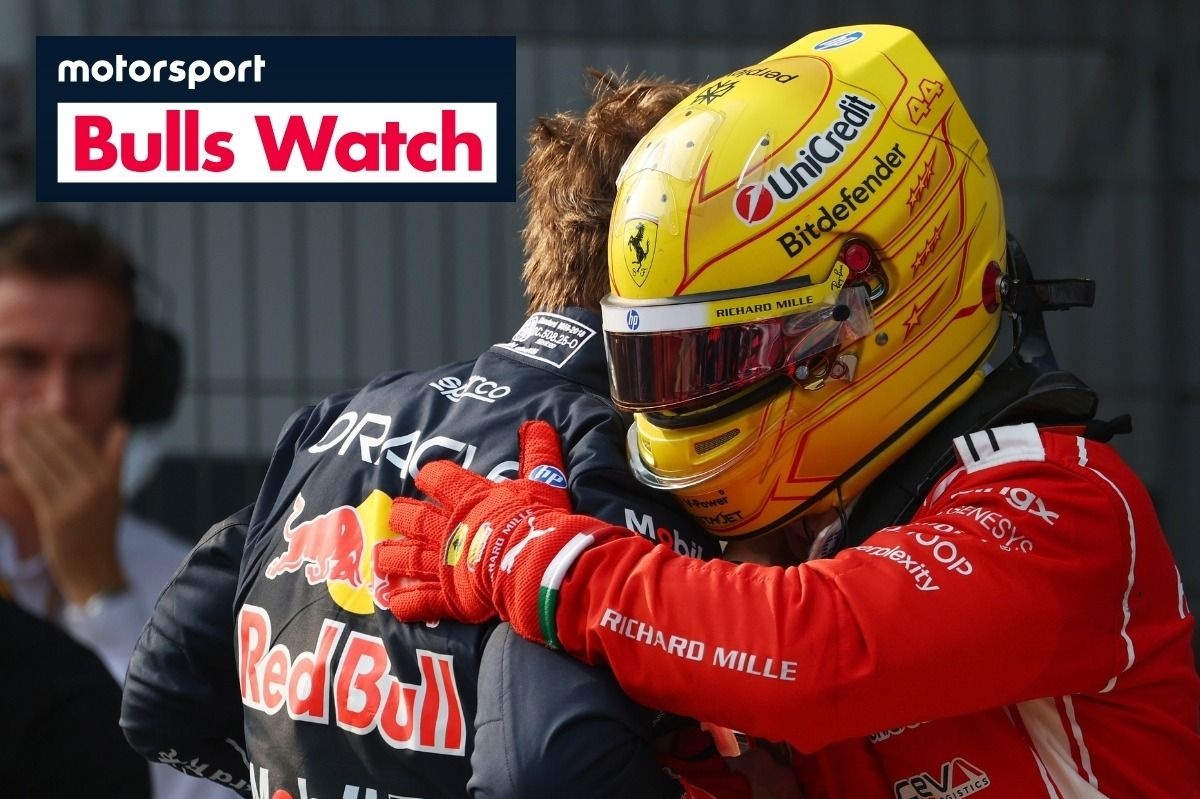
Max Verstappen and Lewis Hamilton Viral Moment: Sepang Warmth
Verstappen and Hamilton’s post-qualifying exchange in Malaysia cut through the usual F1 steel. It was brief, human, and impossible to ignore.
Tom Kim military exemption: Asian Games gold rewrites his path
Tom Kim’s gold medal at the Asian Games delivered an exemption from South Korea’s military service and a career-defining triumph. The win carries weight far beyond the final leaderboard.

Natalie Nakase injury scare: Valkyries coach falls to court
Golden State’s first playoff series win came with a nasty little scare when Natalie Nakase hit the court late. The basketball mattered, but her health mattered more.