
Indiana football TRO: Two players cleared for 2026 return
A courtroom reprieve, and a warning shot across college sports
 Beatrice Kensington6 min read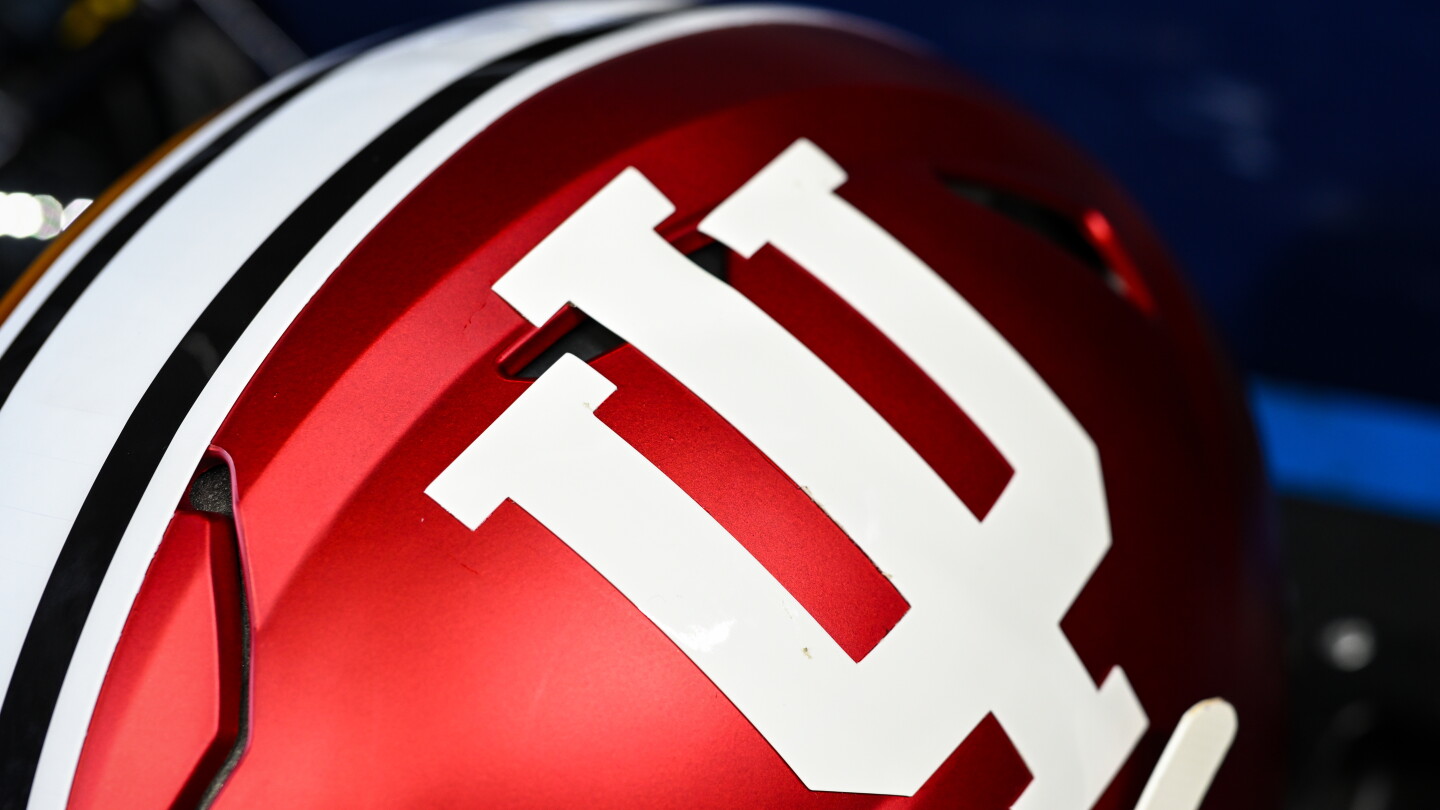
Curt Cignetti has already made a habit of turning the expected order inside out, and now Indiana football finds itself at the center of a different kind of scramble: a courtroom one. Two players have secured a temporary restraining order that clears the way for their return in 2026, a small phrase on paper with a much larger shadow hanging over college football. These fights are rarely just about two names on a roster sheet. They are about leverage, eligibility, labor, and the increasingly fragile border between a program’s control and a player’s right to keep his place in the machine.
The details may still be limited, but the shape of the story is familiar by now. College athletics has spent the last several years pretending that the old rules can survive the new reality. They cannot. Players transfer more freely, coaches move with impunity, and schools preach continuity while operating in a market that punishes anyone without options. A TRO is not a final victory, only a legal pause. Still, pauses matter. They can preserve a season, salvage a scholarship path, and prevent a young athlete from being erased by paperwork and timing.
Indiana’s latest headline is not the kind any coach likes
Indiana football was already a program in flux before this ruling. The Hoosiers have been trying to build something sturdier than the reputation they inherited, and every offseason now feels like a test of whether modern roster-building is a talent exercise or a survival contest. A court order involving two players does not alter the public face of the program much, but inside the building it changes the temperature. Coaches recruit certainty. Lawyers traffic in exceptions.
That tension has become central to the sport. The transfer portal and NIL era were sold as freedom, and in many ways they are. But freedom without structure quickly becomes a series of battles over who gets to leave, who gets to stay, and who gets to decide. Indiana, like every other program, is learning that roster management is no longer just a football task. It is a legal discipline.
The most striking part is how ordinary this is becoming. Not the specifics of this case, but the pattern around it. A player wants back in. The school resists or stalls. A judge steps in. The calendar keeps moving. The season arrives anyway.
What a temporary restraining order really says about college football
A TRO is a blunt instrument, but in the right moment it can feel like the only shield left. It does not settle the underlying dispute, and it certainly does not promise that a player will prevail long term. It simply tells the parties to hold still while the court sorts out whether someone has been irreparably harmed. In college athletics, “irreparable harm” is not abstract. A year lost can mean a scholarship lost, a film cut short, an NFL dream deferred, or a body that does not get another clean season.
The sport keeps insisting it is amateurism wrapped in tradition; the courts keep reminding it that people have rights.
There is a deeper irony here. For decades, schools built their power on the idea that athletes were temporary, replaceable, and bound to the institution’s rhythms. Now the athletes are using the institution’s own systems to resist that logic. They are not winning every case, but they are forcing football to answer questions it spent generations dodging.
If you want the bigger historical frame, this is part of the same long march that has included the NCAA, scholarship reform, transfer-rule upheaval, and the growing recognition that college players are not props in a pageant of school loyalty. The legal system is not fixing everything. Far from it. But it is making the old balance of power harder to defend.
Curt Cignetti’s program now lives in the modern mess
Cignetti arrived with the promise of clarity, edge, and a no-nonsense standard. That is what ambitious programs want from a coach in this era: someone who can impose order on a landscape that rewards entropy. Yet the modern coach does not merely coach. He litigates the roster in public and private, with every departure and return carrying financial, emotional, and competitive consequences.
Indiana’s relevance in this moment is not accidental. Programs outside the richest circle of the sport feel the instability more sharply because they have less margin for error. One unexpected absence can tilt an offseason. Two contested returns can alter scholarship math and depth planning. It is the sort of thing boosters and fans rarely see, but coaches feel in the marrow of their job.
I have come to think these cases reveal something the sport would rather keep hidden: control is now distributed, and no one likes that when they are accustomed to holding the keys. Schools still have enormous power, but the players have legal, financial, and public avenues that did not exist in anything like this form a decade ago. That does not mean every athlete is right or every claim should prevail. It means the old assumptions are dead, even if administrators keep drafting memos as though they are not.
And for Indiana, there is another layer. Programs are judged not only by wins and losses anymore, but by whether they can project stability in a market that punishes drift. If Cignetti is building a serious football operation, these are the sorts of storms he will have to manage without letting them leak into the locker room. Good luck with that. Nothing about this era stays neatly backstage.
The 2026 return is the part that should not be ignored
The calendar matters. A ruling affecting 2026 says this is not just about this fall or next month. It is about the future architecture of the roster. A player who expects to return can change how a staff plans redshirt years, developmental snaps, and recruiting priorities. It also signals to other athletes that the legal door is not sealed. That may encourage more challenges, more negotiations, and more pressure on athletic departments to justify every hard line they draw.
For Indiana, the immediate task is practical: keep the team from treating this like background noise. The longer task is bigger. College football is moving toward a system in which roster disputes will be common, not exceptional. The schools that adapt with less arrogance and more precision will fare best. The others will keep finding themselves surprised by things that were never really surprises at all.
The next turn in this story may come quietly, in filings and rulings rather than on a fall Saturday. But do not mistake quiet for small. In this sport, the paperwork now reaches the field.
And Indiana, for the moment, has another reminder that the fight for control is being waged everywhere.
More from Straight From The Bench
Comments
Join the conversation — sign in to leave a comment.
Sign in to commentRelated Stories

Oklahoma vs UTEP: Week 1 live updates and score
Oklahoma’s Week 1 meeting with UTEP is less about suspense than standards. The real test is whether the Sooners play like a program that expects the next rung of the ladder.
Bill Belichick UNC Investigation: Could It End His Run?
UNC’s internal storm now has Bill Belichick at the center of it. The real issue isn’t just optics — it’s whether the school can justify keeping the whole thing alive.
Rutgers Football Fireworks Show Viral After Loss to UMass
Rutgers lost to a UMass team that carried the nation’s longest losing streak into the season, then sent fireworks into the night anyway. The optics were brutal, and entirely revealing.