
Iowa marching band cardiac arrest update: member removed from life support
A college football Saturday turned into a reminder that the game always sits behind the people.
 Zane Miller5 min read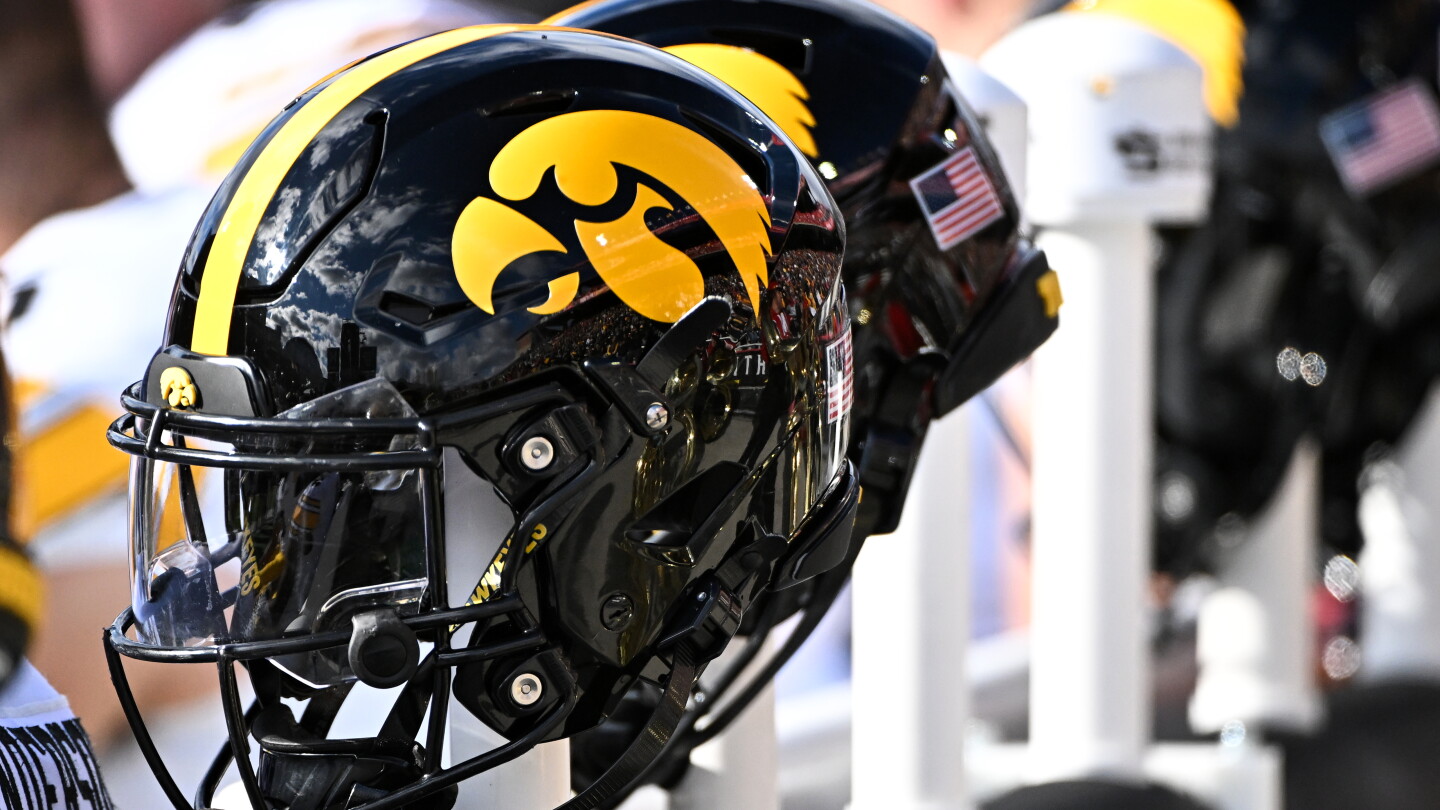
A football Saturday at Kinnick turned into something much heavier than a box score. A member of the Iowa Hawkeyes marching band was removed from life support Monday, two days after collapsing shortly before halftime against Northern Illinois. That’s the kind of update nobody wants to type and nobody wants to read, because once the bands clear out and the stadium lights go dark, what’s left is the reality behind the spectacle.
This isn’t a football story in the usual sense. It’s a college sports story, which means it’s a community story first. The band members, the players, the staff, the fans in the stands — they all live inside the same Saturday rhythm. And when someone from the sideline or the band section gets hit with a medical emergency like this, the whole building feels smaller.
The moment the stadium stopped being about football
The details are as stark as they come. The band member collapsed before halftime during Iowa’s game against Northern Illinois and was taken to the hospital. By Monday, the update was that life support had been withdrawn. No spin, no tidy sports-talk frame to wrap around it. Just a family, a campus, and a long stretch of grief ahead.
College football sells pageantry as much as points. Marching bands are part of the architecture. They set the tone, carry the school’s identity, and keep the energy moving between drives. That’s why this hits so hard: the person in the uniform wasn’t there as background noise. They were part of the event’s heartbeat.
And for anyone who thinks stadium medicine is a footnote, it isn’t. These scenes are why schools, event staff, trainers, and emergency responders matter so much. Every campus has people working the seams of the show, and when something goes wrong, those minutes are everything.
The scoreboard can wait. Human life always gets first possession.
What this means for Iowa and everyone on that sideline
The immediate effect is emotional, not tactical. Iowa still has to move forward with its season, and college football does what it always does: it keeps playing. But nobody inside that building is treating this like a normal week. The athletes know the band. The band knows the athletes. In places like Iowa City, those groups are stitched together by routine, shared travel, shared weather, shared pressure.
There’s also the broader reminder for administrators: the game-day machine has to be built around real medical readiness, not just optics. This is true everywhere, from Power Four stadiums to high school gyms. The best-run programs are the ones that can handle the ugly stuff, because eventually everyone gets tested.
I’ve covered enough of these moments to know the script never feels enough. The pregame hype machine is loud, but the human side of sports is louder when something like this happens. A band member collapsing before halftime pulls the curtain back fast. Suddenly, all the talk about rankings and depth charts feels very small.
If you want the historical parallel, think less about football outcomes and more about the collective pauses sports sometimes force on people. The game goes on, sure. But the memory that lingers is usually the silence. That’s what sticks with a campus. That’s what people carry from one season to the next.
Why band members matter more than fans realize
There’s a tendency in college athletics to treat the band as atmosphere. That’s lazy. Marching bands are a full part of the product, and a lot of these students put in the same brutal hours the athletes do. Early call times. Travel. Weather. Rehearsal. Performance pressure. They’re not spectators in costume — they’re workers in the event economy.
That’s why this particular update lands with such force. It doesn’t just involve a person who happened to be in the building. It involves somebody who gave their time, their energy, and probably plenty of Saturday mornings to the program. You can see why the response from the Iowa community has been so immediate and so raw.
It also shows why schools need to keep their medical infrastructure tight. We talk a lot about player safety because, obviously, we should. But game-day environments are crowded, loud, and physically demanding for everyone involved. Emergency response needs to be built for the whole stadium, not just the roster.
The bigger picture: sports remembers its humanity late, but it remembers
This is the part fans don’t always want to sit with. Sports is entertainment, yes, but it’s also a shared public space where families, students, and staff all show up expecting a normal day. When something catastrophic happens, the emotional hierarchy resets instantly. The band member, the family, the classmates — those are the names and faces that matter now.
From a columnist’s chair, I can tell you this: the strongest programs are often the ones that understand their own limits. They know the game is not the point when a life hangs in the balance. That doesn’t make the football secondary every week. It makes it secondary on the days that matter most.
And Iowa, more than most places, understands collective identity. The school’s football culture has long been tied to tradition, sound, and ritual. That’s why this is more than an isolated medical update. It’s a campus wound. One that won’t heal on a clock.
The next few days will be about support, not speculation. About the family. About the band. About the people who stood nearby and lived through the moment no one rehearses for. The games will continue. The band will eventually march again. But this is the kind of loss that hangs around long after the last note fades.
More from Straight From The Bench
Comments
Join the conversation — sign in to leave a comment.
Sign in to commentRelated Stories
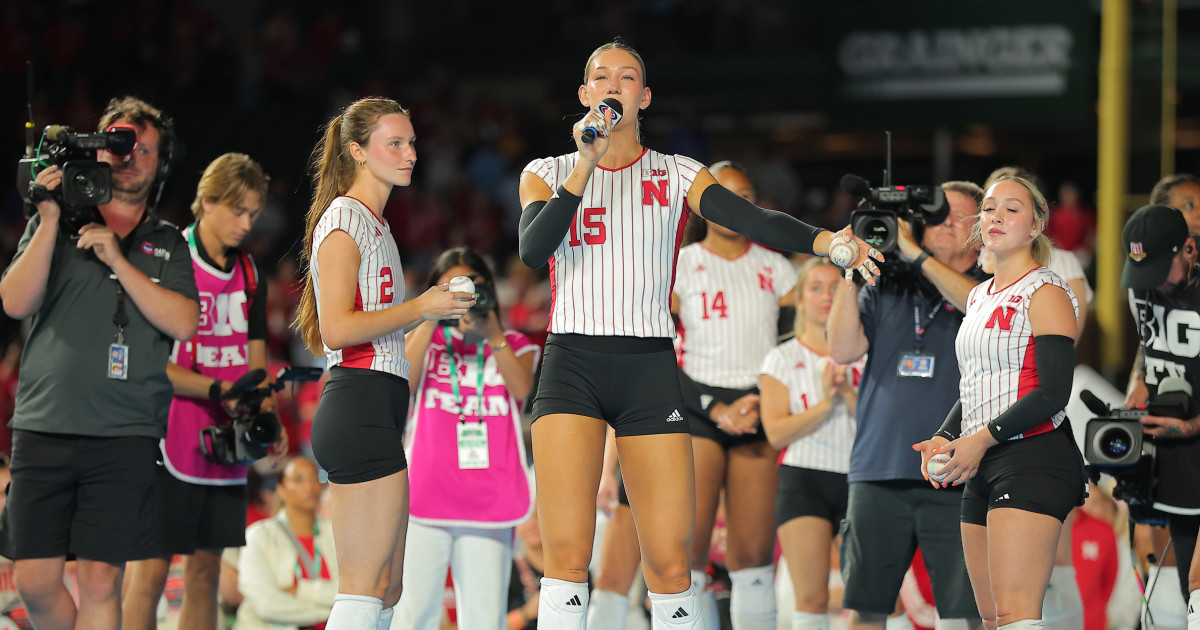
Nebraska-Missouri Volleyball at Wrigley Field: Rain, Dance and Crowd
Forty-thousand-plus came for Nebraska-Missouri and got weather, patience and a rare stadium-side show. Wrigley Field still found a way to feel alive.
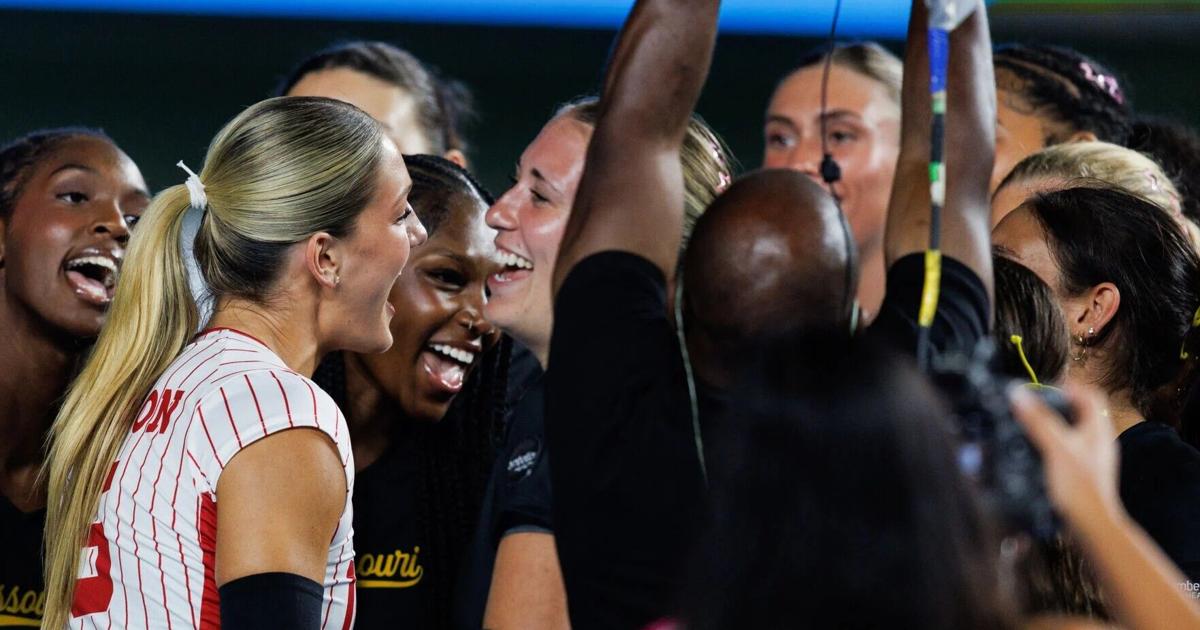
Nebraska Volleyball Seniors: Wrigley Field Message to Husker Fans
When the Wrigley Field match stopped, Nebraska’s seniors made sure the night didn’t. Harper Murray, Laney Choboy, Andi Jackson and Bergen Reilly gave Husker fans the kind of public gratitude that tell
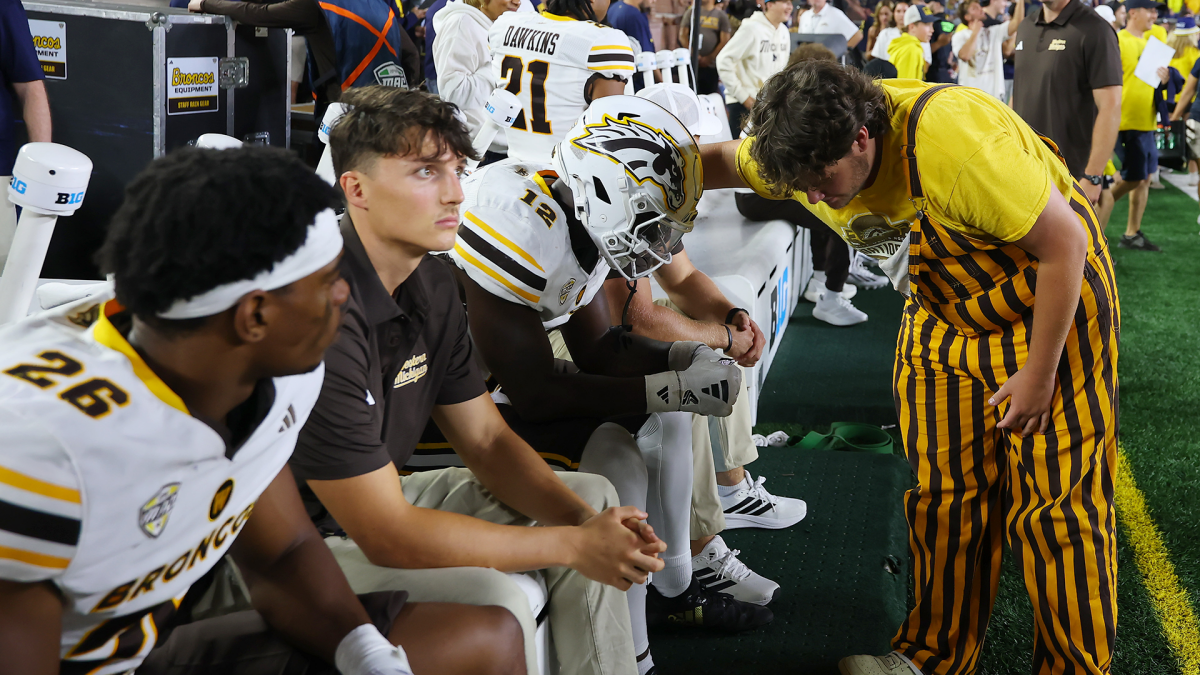
Western Michigan Michigan Loss: Leaders Choose Acceptance Over Outrage
Western Michigan didn’t scream into the void after the replay ruling that swung the Michigan game. They took the hit, kept their heads, and exposed a bigger truth about college football.