Jahmyr Gibbs Contract Extension: Lions Lock In Their Engine
The stress was real. So was the relief in Allen Park.
 Beatrice Kensington6 min read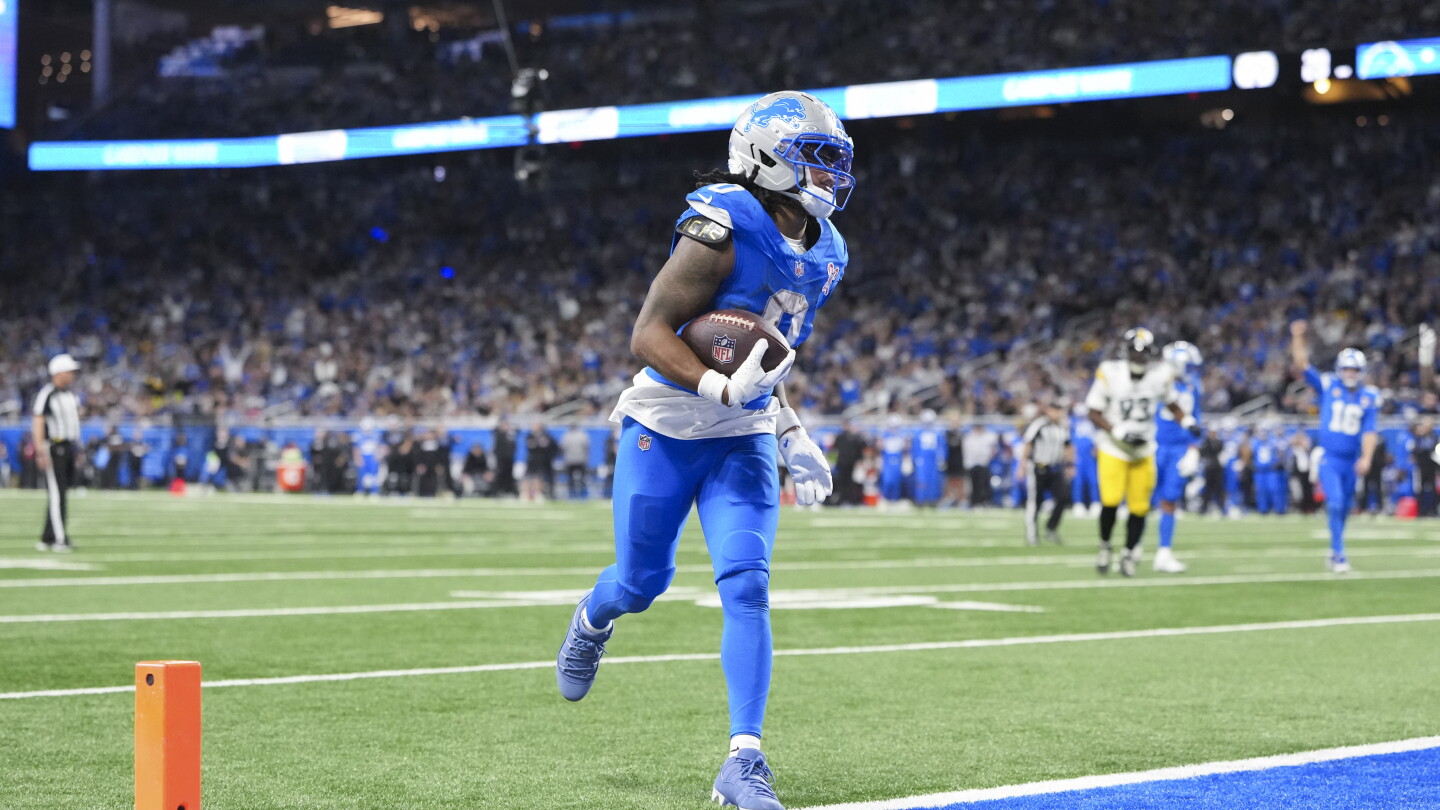
The quiet that followed the paperwork
The first clue was the practice jersey, pulled over shoulder pads and worn with the kind of normalcy that only matters when it has not been normal at all. Then came the agreement, and with it the small but unmistakable exhale that hangs over a camp when a player of consequence stops being a headline and starts being what he was always supposed to be: available. Jahmyr Gibbs called the contract process “extremely stressful,” and in that plain phrase lives the whole ugly little machinery of modern football. Even the gifted are asked to wait, to worry, to wonder whether the people who depend on them most will pay up before patience curdles into resentment.
For the Detroit Lions, this is not merely a pleasant summer development. It is a declaration of values. They have spent the better part of the last two seasons building around urgency, speed, and a bruised-but-bright identity that fits Ford Field and the city it serves. You do not extend a back like Gibbs because running backs are fashionable. You do it because he bends defensive geometry. He changes how safeties cheat, how linebackers lean, how coordinators sleep.
What Gibbs means to this offense
There are faster players. There are bigger backs. There are backs who have been paid more loudly. Gibbs sits in a different lane. He is a force multiplier, the sort of runner who can turn a routine second-and-6 into a defensive crisis because the threat is not only the carry but the angle after the catch, the hesitation at the mesh point, the possibility that one missed tackle becomes a bad memory on the next sideline replay.
Detroit has not been shy about building an offense that runs through layered threats. Jared Goff is at his best when the structure around him forces defenses to pick their poison, and Gibbs is poison in a silk glove. Pair him with the tougher, more punishing run elements the Lions already carry, and you get a backfield that can speed up a game, or suffocate one, depending on what the moment asks.
The extension also tells you something subtle about how Detroit sees its competitive window. This is not a team drifting into a future shaped by draft charts and maybe-soon promises. The Lions are acting like a club that intends to keep its best pieces together long enough for a real run, not just a nice autumn. That is the difference between hope and design.
Stress, in this case, is part of the job
In today’s NFL, even a star’s peace of mind can arrive only after the signature dries.
That line may sound dramatic until you remember how often these negotiations chew at the edges of a player’s summer. The sport loves to speak in clean terms — readiness, toughness, commitment — while its labor relations remain stubbornly messy, intimate, and exhausting. Gibbs is young enough that this should have been the easy part of his ascent: training camp, conditioning, playbook, a warm Michigan evening with the promise of a bigger role. Instead, he had to carry the private burden of a public business problem.
I keep thinking about how often football asks players to perform gratitude while they are still counting the cost. That is especially true for backs, who age in football years the way candles age in wind. The body is always a ticking account. Teams know this. Agents know this. Fans, usually, know it only when a player starts missing time or losing a step. So when a club pays a runner early, it is not sentiment. It is conviction. And conviction, these days, is a luxury.
Detroit has made a habit of spending its conviction wisely. The front office has shown a useful sort of nerve, the kind that recognizes when a team’s best version is already here and should be supported rather than endlessly imagined. That is why this extension matters beyond the ledger line. It is a signal to the room that the Lions are not asking their core to carry the emotional labor of uncertainty while the organization dithers.
How this settles the camp, and what it changes next
The immediate benefit is simple: no more contract haze hanging over practice. The Lions get Gibbs back in the mix without the half-step that often follows negotiations, and camp can shift back to football in the oldest sense — timing, chemistry, repetition. That matters more than fans sometimes admit. Offenses are not built in the abstract. They are built in the hot, monotonous, indispensable work of taking a handoff at the right depth and turning it into something worse for the other side.
This deal also has ripple effects in the locker room. Not every player needs to be paid first, but every player notices who is. Extensions like this can calm a team, especially when they arrive before the season’s true strain begins. They tell veterans the club is serious, and they tell younger players that excellence has a market. That is not trivial. It is culture.
There is, too, a practical roster lesson here for a franchise trying to stay ahead of its own success. The Lions have been one of the NFL’s more compelling teams because they understand that contention has a shelf life if you are stingy with your own best tools. They already have a foundation that reads like a promise: a confident coach, a functional quarterback, a punishing line, and skill players who make the whole machine move. Gibbs is part of that machine, not decoration on it.
For readers following the rest of Detroit’s summer, this sits in the same family as the broader training camp stories we have been tracking, from the Lions training camp scrimmage notes to the way the roster’s fringe pieces try to pry open a door. Those battles matter. But the big men and the bright men at the center matter more. Pay them, or plan for chaos.
I have long believed that the most revealing contracts are the ones that look, on the surface, like prudent football and, underneath, like trust. This feels like one of those. Detroit is trusting Gibbs with a larger share of what it wants to be, and Gibbs is trusting Detroit not to make him chase respect on the open market a year too late. That mutual bet is the hidden architecture of good teams. Break it, and the whole building starts to hum off-key.
The Lions bought themselves calm. Gibbs bought himself clarity. Now the football can start to speak for both of them.
More from Straight From The Bench
Comments
Join the conversation — sign in to leave a comment.
Sign in to commentRelated Stories

Lions training camp scrimmage notes: UDFA rises on defense
The Lions’ fourth straight padded practice brought a scrimmage feel, and a hungry undrafted defender made noise while the linebacker group flashed.

Kyler Murray QB1 Update: Vikings Heavy Favorite for Starting Job
Kyler Murray is still being framed as the favorite for QB1, and that matters for the Vikings' offense, the room, and the market around the position.
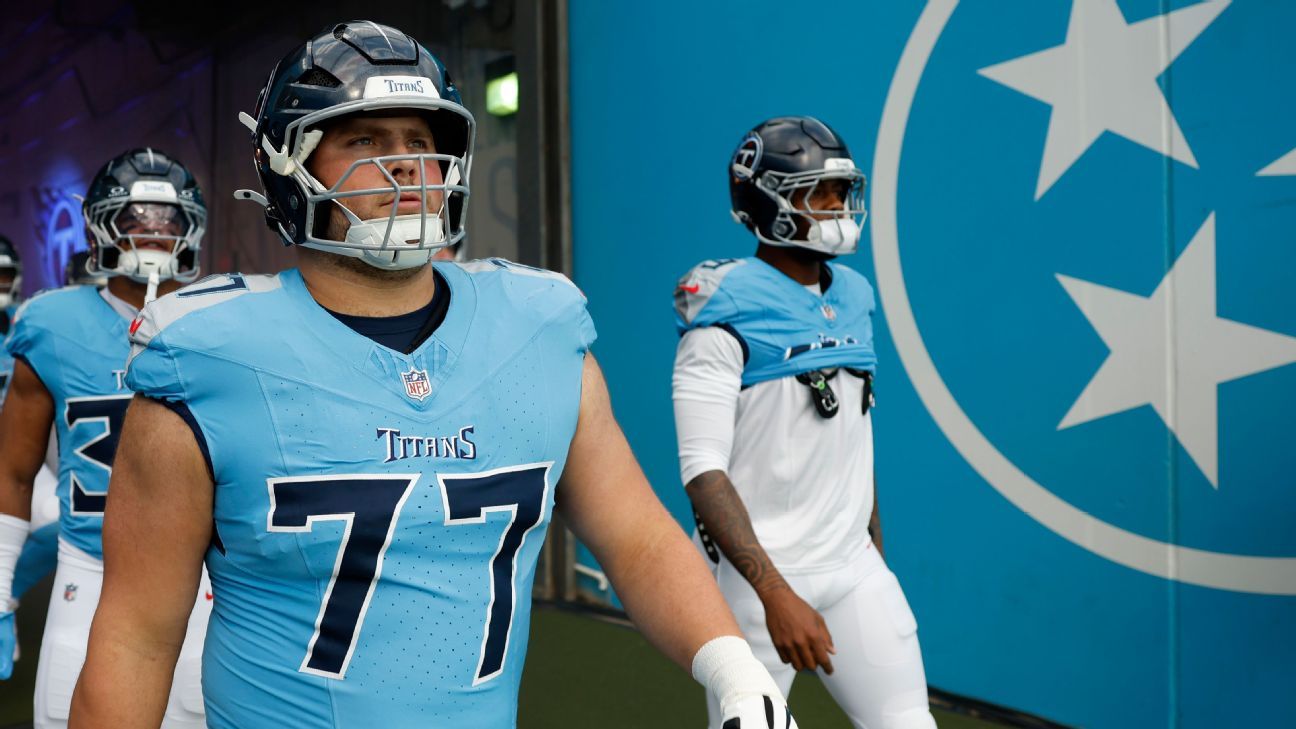
Peter Skoronski Extension: Titans Make Him NFL's Top-Paid Guard
The Titans locked up Peter Skoronski on a massive extension, betting big on a young blocker with plenty of room to grow. It’s a loud vote of confidence — and a test of Tennessee’s line-building plan.