
Ja’Marr Chase concussion evaluation: Bengals face a familiar fear
One grab at the facemask can change the afternoon, and perhaps the season’s emotional temperature.
 Beatrice Kensington6 min read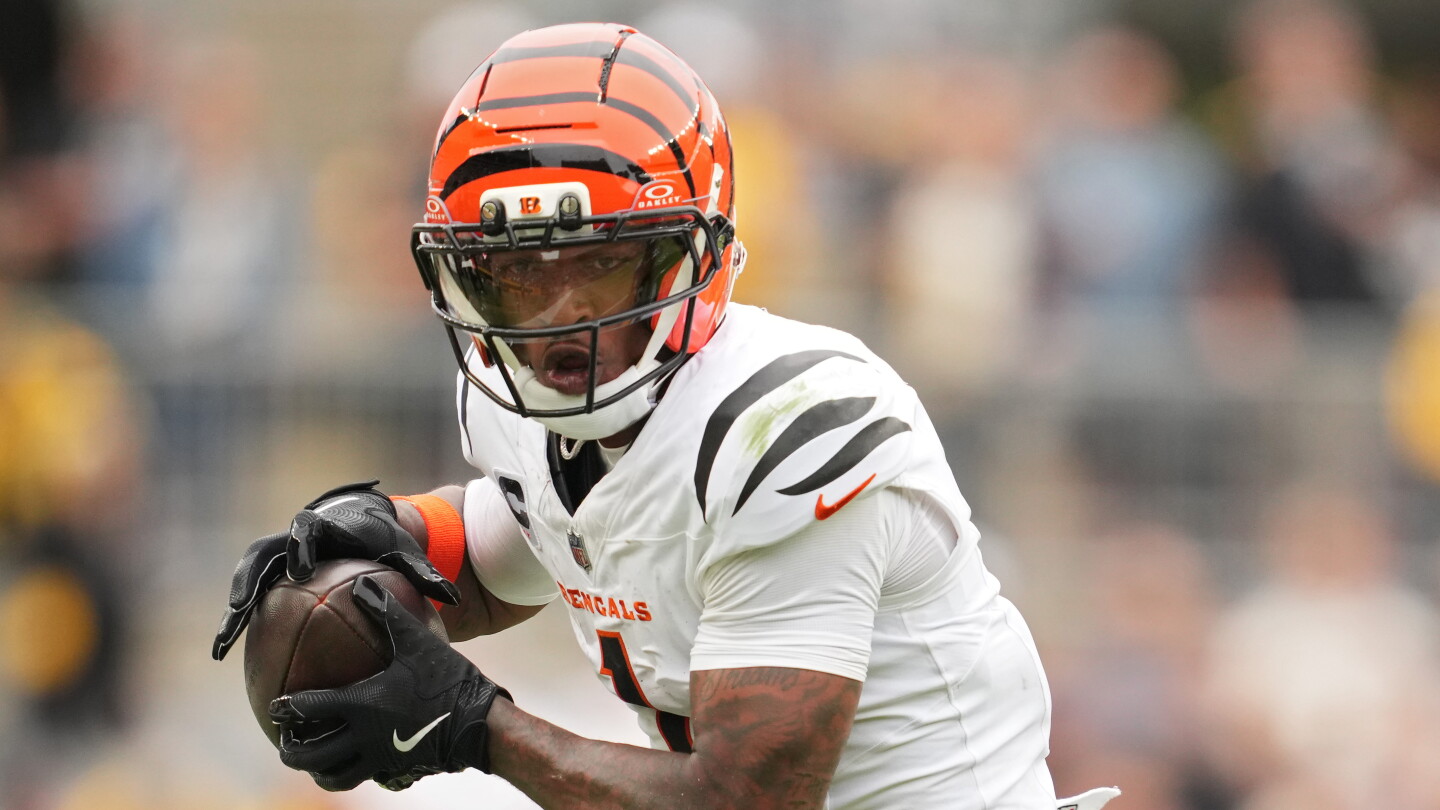
The Bengals’ afternoon took a hard turn the moment Ja’Marr Chase headed for a concussion evaluation, because there are injuries and then there are the ones that rearrange the air in a stadium. A facemask tug on a tackle may look routine in real time, one of those ugly little football moments the league has normalized for too long, but the departure of a receiver like Chase changes everything around Cincinnati: the play-calling, the spacing, the sideline mood, the sense of what the offense can dare to be.
The immediate concern is obvious. Head injuries do not invite optimism; they demand caution. The longer view is less tidy and more consequential. Chase is not just a target. He is the gravitational field that bends coverages, opens the middle of the field, and lets the Bengals live in the dangerous, intoxicating space between patient and explosive. When he leaves, even briefly, defenses breathe easier. That is never a good sign for Cincinnati.
A facemask grab, and then the whole day changed
The sequence itself was ugly in the ordinary way football can be ugly. Chase was injured after his facemask was grabbed on a tackle, and soon after he was headed to the locker room for evaluation. In an era when teams speak fluently about “next man up,” the phrase can sound almost glib beside the real vulnerability of a player walking slowly down the tunnel, helmet in hand, the noise of the game suddenly very far away.
The Bengals, to their credit, did not let the moment swallow the drive. They finished it for their first points of the game, which tells you something about the roster and something else about the sport: teams can keep moving even when the most important piece on the board disappears. But it also tells you how fragile the margin is. Cincinnati can survive a series without Chase. It cannot truly replace what he means over four quarters, let alone over a season.
For background on the player at the center of this, the profile is already etched into the modern NFL’s memory. Ja’Marr Chase is the kind of receiver who forces broadcast cameras to follow him even when the ball is elsewhere. The Bengals know that better than anyone, and so do the defenses that have spent the last few years shaping game plans around the possibility that one missed tackle becomes six points.
What Cincinnati loses when Chase walks off
This is not merely about one star’s production. It is about the architecture of the offense. Chase stretches the field horizontally and vertically; he makes linebackers hesitate and safeties cheat and cornerbacks lose a step of confidence. Take him away and the math changes immediately. Windows narrow. Third downs grow teeth. The pass rush feels a little closer.
The Bengals have lived in this tension before, which is why there is a broader anxiety attached to any Chase injury report. This team’s identity has long depended on the connection between elite quarterback play and elite receiver talent. When that connection hums, Cincinnati looks like a contender. When it frays, the offense becomes more conventional, and conventional is not where the Bengals want to spend their Sundays.
That reality also raises a less glamorous question: how much wear can a team absorb before the season begins collecting interest? Wide receivers are often treated like production lines, but Chase is the rare one whose absence changes not only efficiency but temperament. The Bengals can call the same plays without him. They will not mean the same thing.
For a wider sense of how fragile playoff pursuits can be, it is worth remembering how quickly one injury can alter the emotional balance of a contender; the league has seen versions of this story before, and so have Cincinnati fans who have learned to guard against certainty. If you want the broader team context, our Bengals-AFC North stakes breakdown shows how a single Sunday can tilt an entire division race, even if the opponents are different.
A concussion evaluation is not a footnote. It is the hinge on which an afternoon, and sometimes a season, quietly swings.
The human cost hides inside the next play call
There is a temptation in professional football to file these moments under strategy, to speak only of personnel and substitutions and target shares. That misses the point. Chase’s exit is a reminder that the sport still asks human bodies to absorb collisions that television packages prettify and replay in slow motion. The facemask grab may have been one contact among many, but the consequences are never abstract to the player walking off the field.
That is the part I keep returning to. We ask elite athletes to be both indestructible and endlessly available, then act surprised when their bodies object. Chase is at once a franchise symbol and a man in a locker room being checked for a brain injury. Both truths matter. Only one should.
I have covered enough autumn Sundays to know how teams talk themselves into resilience, and how often that language is half prayer. My own view is that Cincinnati’s ceiling is inseparable from Chase’s health in a way fans may be tempted to dismiss as obvious. But “obvious” can be the most important word in football. The Bengals can muddle through stretches without him; they cannot pretend his presence is replaceable. Not by scheme. Not by volume. Not by optimism.
And there is another layer here, one the league would be wise not to ignore. Receiver stars are becoming both more central and more exposed: more central because offenses are increasingly built around a handful of elite pass-catchers, more exposed because the violent geometry of the game never really changes. A player like Chase is asked to be the answer and the attraction, the bailout and the burst. That is a heavy burden, and it sits on joints and nerves and reflexes, not on slogans.
If Cincinnati has to make do without him for any length of time, the pressure lands somewhere less glamorous. On the run game. On the tight ends. On a quarterback who has to find completions without the luxury of a game-breaking escape hatch. For readers following the roster ripple effects around the league, the Bengals’ offensive health has been part of a larger cluster of personnel questions, including our recent look at Puka Nacua’s workload and injury situation, another reminder that top offenses can shift on the health of one indispensable receiver.
What to watch next in Cincinnati
The next update matters more than any stat line from the first half. If Chase clears protocol quickly, the Bengals can exhale and return to the business of salvaging the afternoon. If the evaluation stretches longer, the tone changes. The coaching staff has to decide how much it can ask of the rest of the pass-catching group, and the quarterback has to redistribute trust in real time.
That is the hidden burden of star injuries: they are not only medical events, they are organizational ones. They rewrite huddles. They test patience. They expose how much of a team’s identity rests on a single extraordinary talent.
Cincinnati can still win games without a full-strength Chase. It just becomes a much more ordinary team. And ordinary is a dangerous place to live in the AFC.
The Bengals will keep chasing points. The larger question is whether they can keep Chase on the field long enough to matter when the chase really begins.
More from Straight From The Bench
Comments
Join the conversation — sign in to leave a comment.
Sign in to commentRelated Stories

Lamar Jackson ankle injury: Ravens survive Titans, but pay a price
Lamar Jackson left with an ankle injury and Tyler Huntley finished the job as Baltimore beat Tennessee. The Ravens got the win, but their season just got a little heavier.
Joey Porter Jr. Cowboys debut: trade, fit and what it means
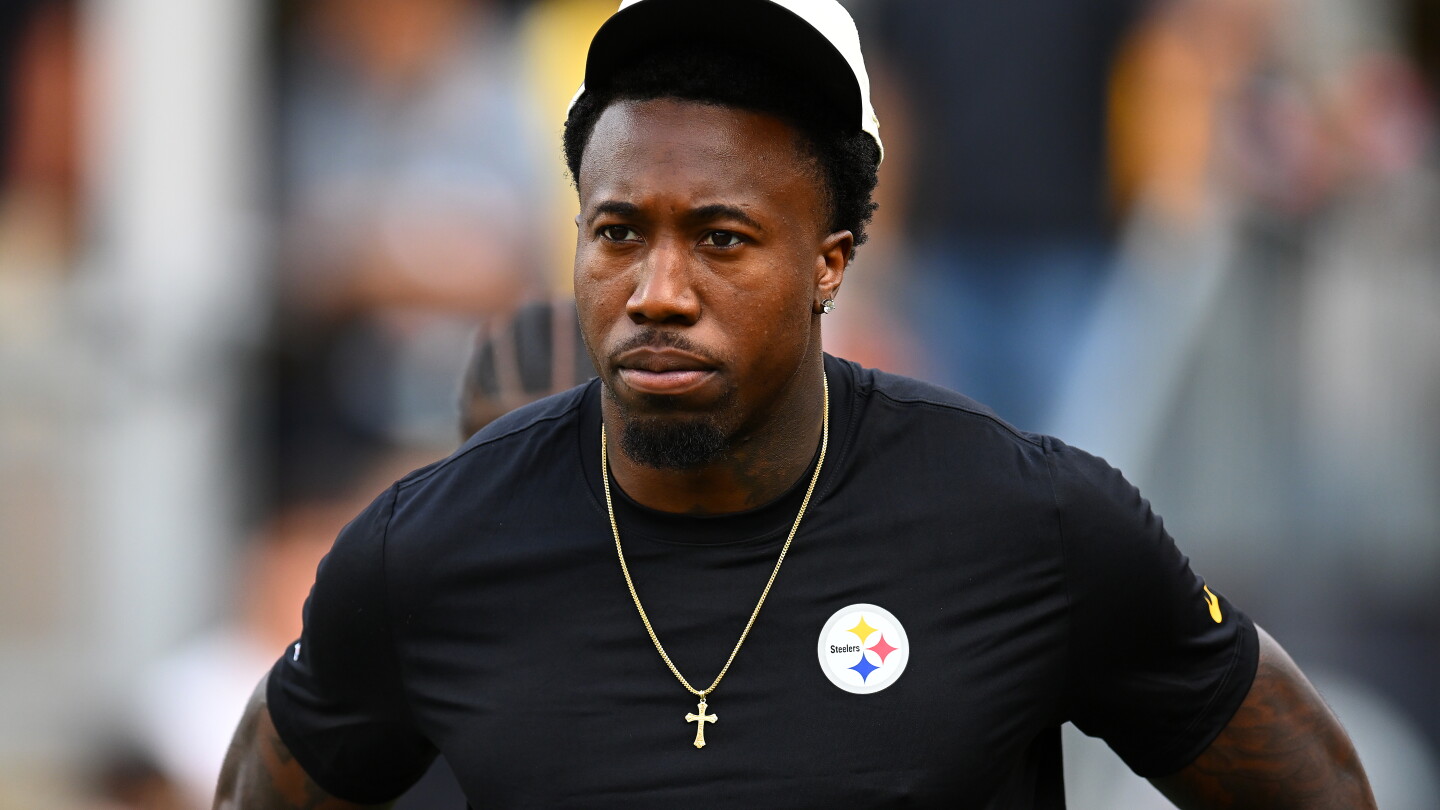
Joey Porter Jr. arrives in Dallas with the kind of pedigree that can change a secondary’s mood overnight. The Cowboys need more than name value; they need steadiness, edge and a corner who can survive
Sam LaPorta Contract Extension Talks Break Off With Lions
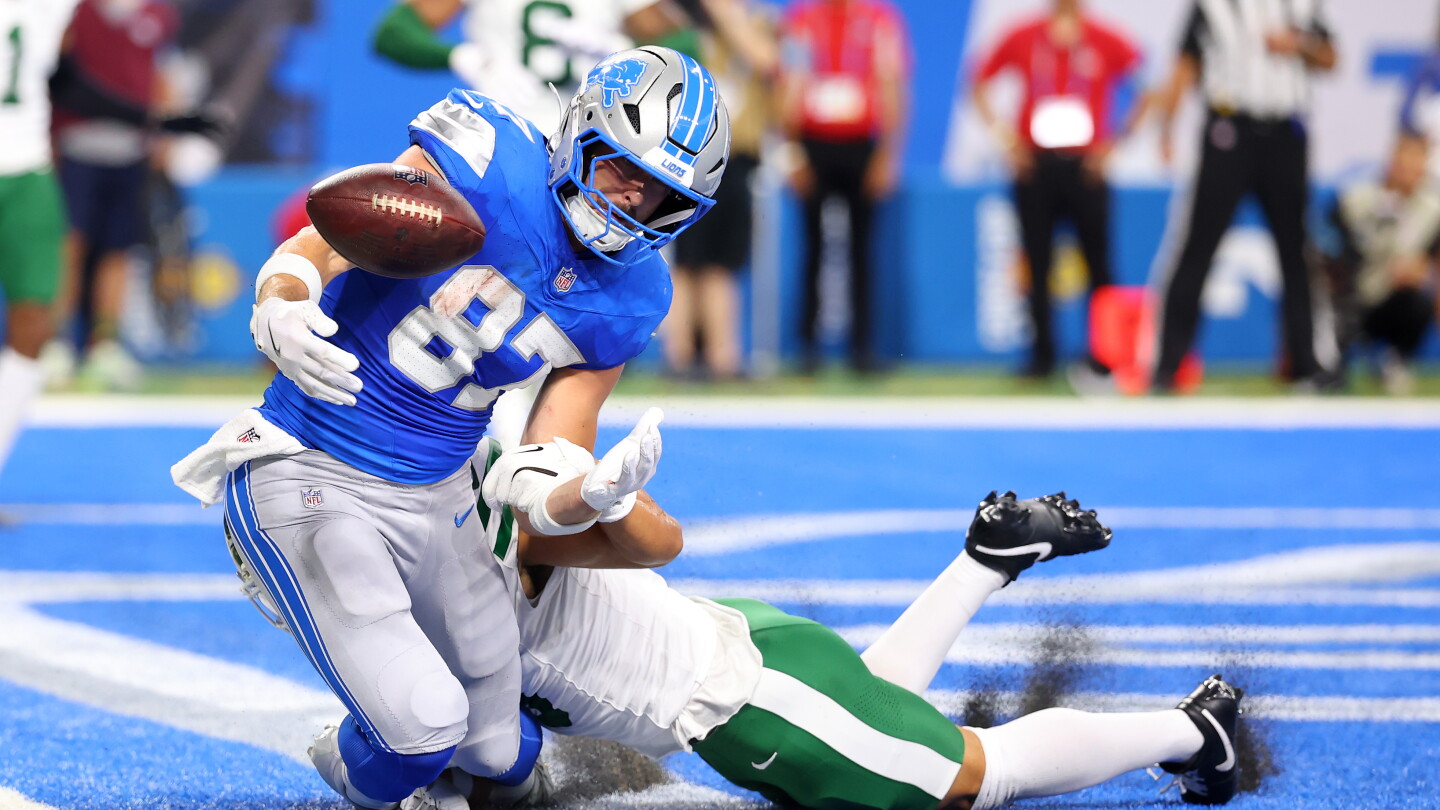
The Lions and Sam LaPorta have reportedly paused extension talks, and that leaves Detroit with a familiar front-office headache: pay the star now, or pay even more later.