
Jazz Chisholm Jr. Red Sox Broadcaster Comments: He Shrugs It Off
A Bronx flair for indifference, and a reminder that baseball still loves a feud.
 Beatrice Kensington5 min read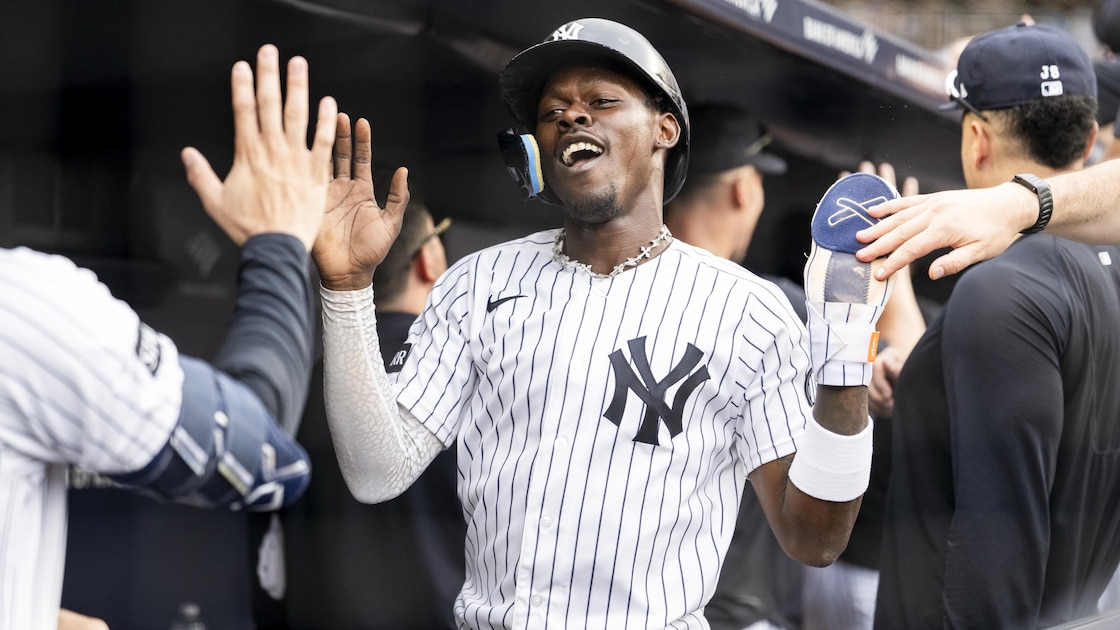
The insult landed, but Jazz Chisholm Jr. refused to flinch
Baseball has always had a taste for old grievances, and the Yankees and Red Sox can turn a stray comment into a summer weather system. So when a Boston broadcaster dismissed Jazz Chisholm Jr. as a “bush league player,” the expected theater was obvious: a glare, a quote to circulate, maybe a little righteous heat for the night’s highlight reel. Instead, Chisholm offered something colder and, in its own way, more cutting. He brushed it off. He said he would not remember who the broadcaster was.
That is a choice, and not a small one. In a sport where slights are often archived like family heirlooms, Chisholm declined to play archivist. He did not lean into the outrage cycle, did not hand the insult a longer life than it deserved. He treated it like what it may have been all along: noise from the gallery.
The moment says as much about the modern player as it does about the modern broadcaster. The old baseball order was built on hierarchy, on voices from the press box or the booth assuming the right to define the terms of respect. Players today still hear the echoes, but many no longer accept the premise.
A Yankees-Red Sox edge that never really cools
This only matters because of the uniforms involved. Chisholm plays for the New York Yankees, the franchise that turns every verbal brushfire into national theater. The broadcaster in question works in the long shadow of the Boston Red Sox, whose rivalry with New York has never needed much fuel. A cracked bat, a bad slide, a sentence said into a microphone — all of it can be enlisted.
That’s the old dance. But this particular skirmish also reveals something sharper about how players manage their own public lives now. Chisholm is not some anonymous middle reliever trying to avoid attention. He is a personality, a flash player, a man whose game invites opinions because it moves with swagger and color. The word “bush league” is not merely an insult in that context; it is a judgment on style, on expression, on the increasingly narrow band of behavior traditionalists will tolerate from players who do not look or act the way they once did.
And because the Yankees and Red Sox remain baseball’s most durable cultural argument, every judgment gets magnified. The American League doesn’t just schedule games; it stages memory.
The smartest thing Jazz Chisholm Jr. did was refuse to make a stranger famous.
Why the shrug matters more than the quote
A lesser player might have taken the bait. Baseball has always rewarded those who can turn offense into fuel, even when the fuel burns hot and irrational. Chisholm instead did the unglamorous thing: he protected the boundary between what deserves his attention and what does not. That kind of discipline is harder than trash talk because it asks the athlete to resist the social reward of being aggrieved.
There is also a practical layer here. Teams do not love when players allow every slight to become a side quest. The Yankees do not need their stars conducting a running feud with a broadcaster, especially in a season where every turn of the wheel can harden into a postseason narrative. Chisholm’s restraint protects the clubhouse from being dragged into someone else’s performance.
The social stakes are a little larger than a one-off insult. Broadcasters, especially in baseball, still occupy a strange middle kingdom — not quite participant, not quite observer, but with enough authority to shape how a fanbase sees a player. When that authority is used carelessly, it can feel less like commentary and more like permission. Permission to sneer. Permission to flatten a man into a caricature. Chisholm’s refusal to play along is not just self-possession. It is a rejection of the idea that every loud opinion deserves an answer.
My read: this is what confidence looks like now
I’ve always believed baseball tells on itself in moments like these. The game likes to imagine it is preserving manners, when in truth it is often preserving power. A broadcaster calls a player “bush league,” and the old script says the player should be grateful for the attention, even angry in the proper, consumable way. But the new script, the one increasingly written by players with sharper media instincts and less reverence for inherited gatekeepers, is to deprive the insult of oxygen.
That’s not apathy. It’s control.
Chisholm has never been a colorless player, and thank goodness for that. Baseball would be poorer without men who play with a little voltage in their bodies. But there is a difference between voltage and volatility, between personality and provocation. His answer here suggests he understands where that line sits. In a league that still punishes flair unevenly, the ability to keep your own nerve is its own form of swagger.
What to watch next in this Yankees season
The real test is not whether the comment travels; it will. The test is whether Chisholm lets the story bend his focus or sharpen it. The Yankees have no shortage of pressure points, and he is one of the players whose presence can change the temperature of a game in a hurry. If he keeps producing, the insult fades into the museum of bad baseball takes, where it belongs.
If he does not, the words will be resurrected by the usual machinery of hindsight. That is baseball’s cruel little habit: it turns yesterday’s noise into tomorrow’s prophecy if the box score cooperates.
For now, Jazz Chisholm Jr. has chosen the cleanest response available. He heard the slight. He declined the stage.
That, in this game, still counts as a statement.
More from Straight From The Bench
Comments
Join the conversation — sign in to leave a comment.
Sign in to commentRelated Stories
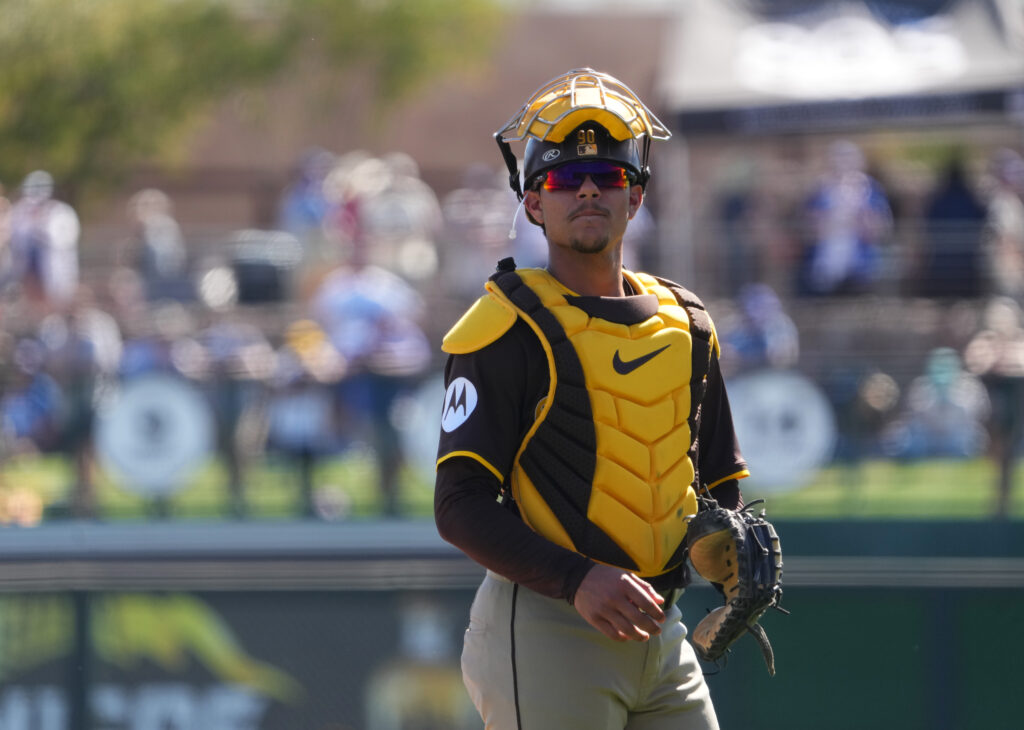
Ethan Salas Call-Up: Padres Bet Big on Their Catching Future
The Padres are promoting Ethan Salas, the youngest player in the majors, and the timing says plenty about their urgency. This is a future move with a present-day playoff heartbeat.
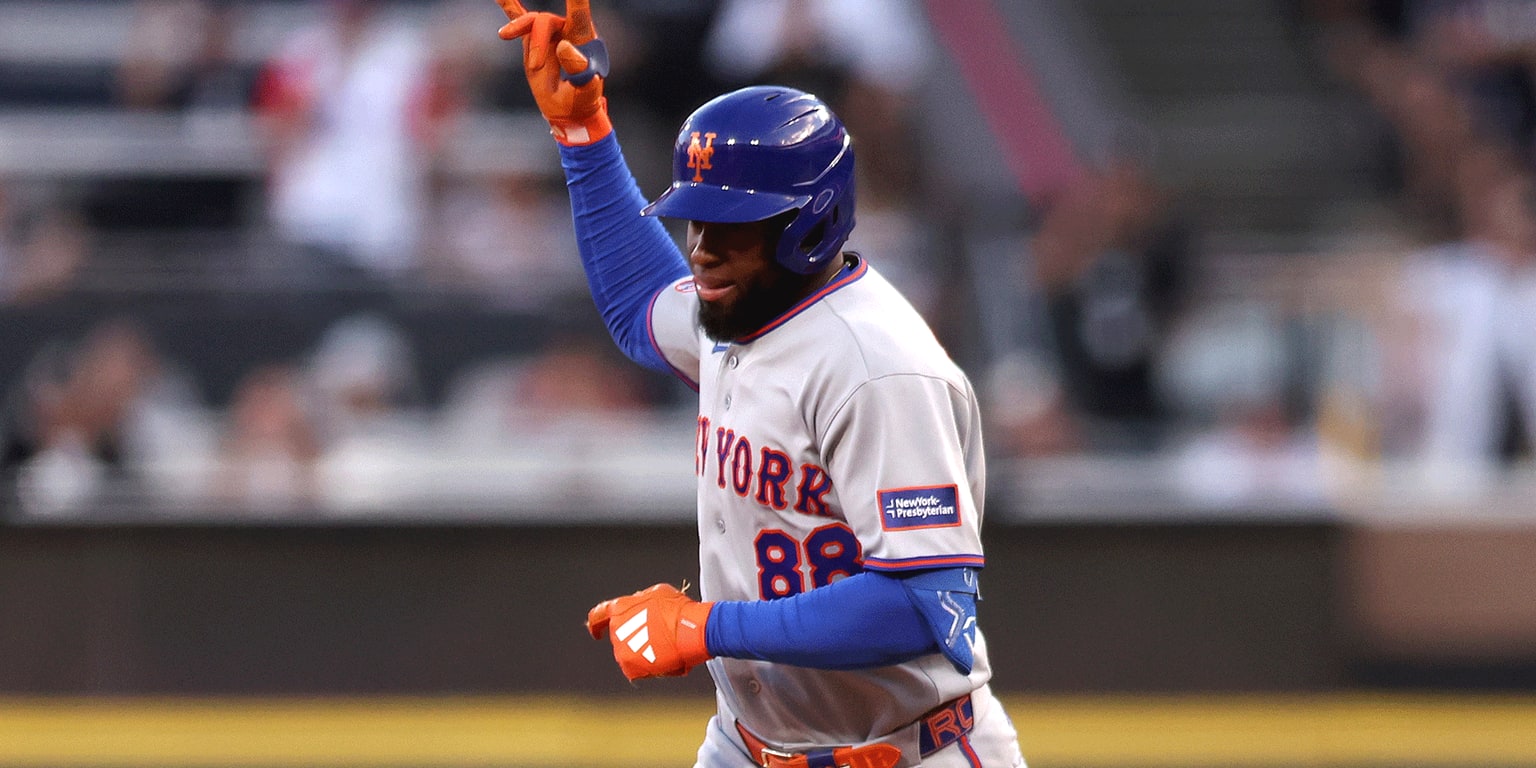
Luis Robert Jr. Waivers: Orioles Take a September Swing
The Orioles claimed Luis Robert Jr. off waivers from the Mets, betting on upside at exactly the moment the standings start to tighten. This is a real October-minded move.

Padres Ethan Salas Call-Up: San Diego Bets on Its Future
San Diego is summoning Ethan Salas, its prized young catcher, and asking him to stand where pressure and promise meet. It is a bold September wager.