Jets Defensive Injuries: T'Vondre Sweat, David Bailey Out
A thin front seven meets a rookie runner who already knows how to lean on cracks.
 Beatrice Kensington5 min read
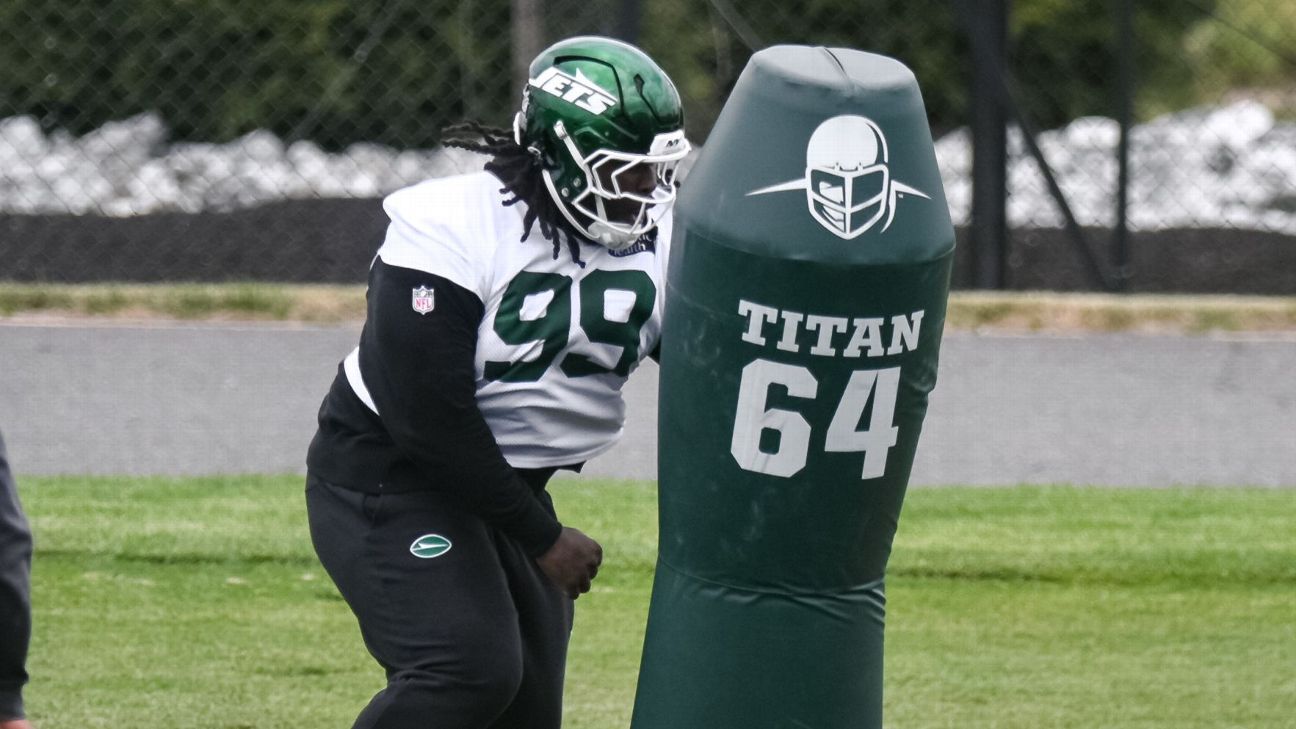
The New York Jets arrived at Sunday week with the kind of injury report that makes a defensive coordinator stare too long at the ceiling. Nose tackle T'Vondre Sweat has been ruled out with a knee injury, and rookie edge rusher David Bailey, after missing practice all week with a strained groin, is doubtful. In a league that punishes weakness with almost surgical precision, that is not a minor inconvenience. It is a crack in the wall, and Ashton Jeanty is the sort of back who notices cracks the way water does.
New York’s defense was already under a harsh spotlight after Jeanty drew attention to it earlier in the week. Now the Jets must answer the hard way, without two bodies who were meant to help them close the lane between aspiration and reality. Football is a sport of attrition dressed up as strategy; the lines on the depth chart are only clean until the first collision. Then the substitute inherits the burden, and the opponent starts hunting the soft spots.
A bruised front seven meets a back built for damage
Sweat’s absence matters because there is no elegant substitute for size in the middle. Nose tackles are the furniture movers of an NFL defense; they absorb the ugly work so others can flourish around them. Without him, the Jets lose some of the mass that discourages double teams and clogging interior runs before they become momentum plays.
Bailey’s doubtful tag hurts for a different reason. Edge pressure is the first line of theft in the modern NFL. If the rush is late, the quarterback and the run game both get air to breathe. And against a runner like Jeanty, a late edge is not merely a tactical flaw — it is an invitation.
The Jets can still field an NFL defense. Of course they can. But there is a difference between having players and having the right players in the right places. That distinction is where games are won in October, especially when a backfield bruiser starts leaning into every crease like he has been promised the last inch of grass.
Ashton Jeanty and the burden of proving a point
Jeanty has become the kind of rookie defenders talk about all week and then spend the game trying to wrestle into ordinary terms. He runs with the sort of compact violence that makes tackling look less like technique and more like a moral test. The Jets’ injuries only sharpen the challenge. If you are already thin up front, the first thing you fear is not the long run. It is the repeated four-yard gain that turns into seven, then nine, then a crowd in the fourth quarter with its confidence restored.
This is where game plans begin to fray. A defense can survive one missing piece if the replacements hold their ground and the offense gives it breathing room. But when the front is depleted, every successful run becomes a kind of weather system, building pressure. Jeanty does not need a 60-yard sprint to matter. He only needs enough contact balance and patience to make the Jets ask for help from places they would rather not ask.
What the Jets lose when the interior thins out
There is a reason coaches speak so reverently about nose tackles, even when the position never makes the highlight reel. Those players keep the chessboard from sliding. They prevent guards from climbing cleanly to linebackers. They force running backs to make decisions earlier than they want. Remove that presence, and the defense can begin to look like a building with one load-bearing beam taken out.
The Jets’ problem is not merely that Sweat is out; it is that his absence arrives at the worst possible moment, against a run game that is already poised to test discipline and stamina. If the Jets have to shade extra help inside, the edges become more vulnerable. If they sell out to contain Jeanty, play-action and perimeter work gain room to breathe. There is no painless answer, only trade-offs.
That is the old football bargain. Every injury asks for a payment somewhere else.
My read: this is where identity gets exposed
I have always believed that September and October injuries are not just medical events; they are confessions. They tell you what a roster really is when the ideal version is peeled away. A good team can survive being imperfect. A flimsy one starts to look mortal the moment the personnel sheet stops matching the hope on the building’s walls.
The Jets have spent enough seasons carrying the heavy, familiar stink of “almost.” They do not need a week in which their defense is simplified by absence and then judged by whether it can still stop a runner built to punish hesitation. If they manage it, they will have earned something sturdier than a win: credibility. If they do not, the conversations around this team will harden quickly, because teams with shallow margins always become stories about what they cannot replace.
Sunday’s real test is not whether the Jets can tackle Jeanty once. It is whether they can survive the second and third wave of the same problem.
For a franchise that has spent too much time searching for the edge that turns promise into proof, that is an uncomfortable mirror.
The rest of Sunday may hinge on the first 15 minutes
If the Jets can force the Raiders into obvious passing situations early, the missing pieces matter a little less. If Jeanty starts to dictate terms and the line of scrimmage begins to tilt, then the absence of Sweat and Bailey will feel larger with each series. Watch the first quarter closely. The tone there may be the whole afternoon in miniature.
The Jets still have enough talent to make this difficult. They just can’t afford to make it easy on the Raiders. Not with a rookie runner eager to turn an injury report into a receipt.
More from Straight From The Bench
Comments
Join the conversation — sign in to leave a comment.
Sign in to commentRelated Stories
NFL Week 8 Injury Tracker: Saquon Barkley, Lamar Jackson Updates
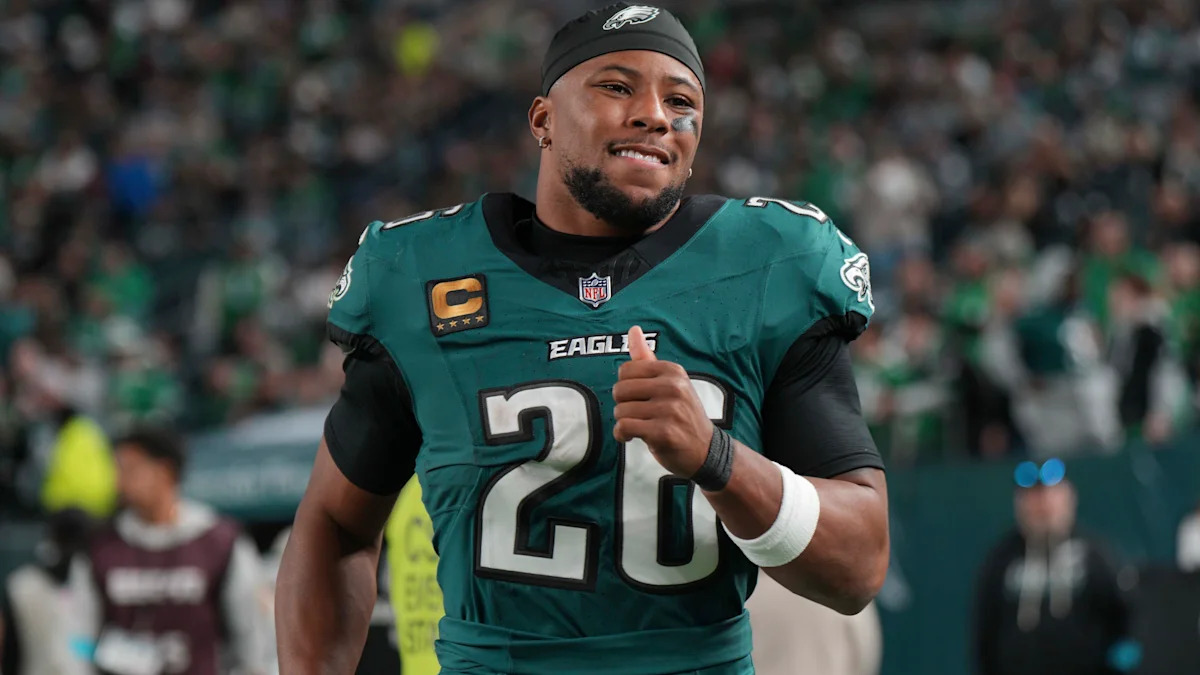
Week 8 is a waiting game for backs, quarterbacks, and fantasy managers. Saquon Barkley is still sidelined, while Lamar Jackson is trending back.
Week 8 Fantasy Football WR Rankings: Justin Boone's Top Targets
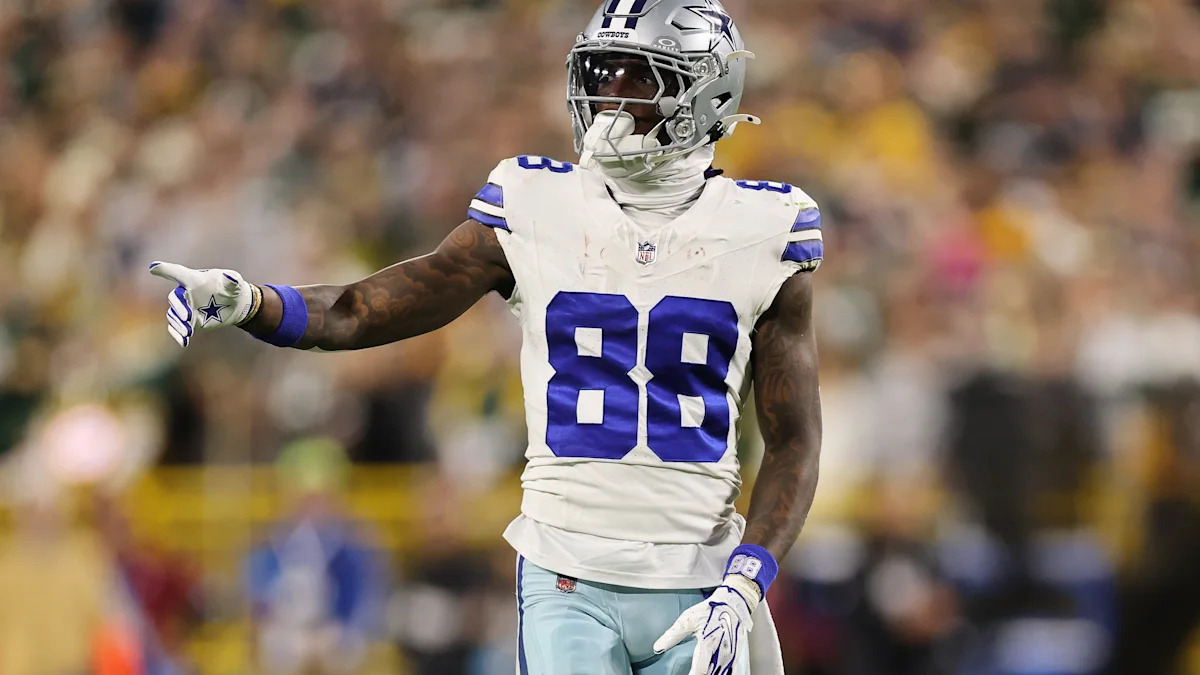
Justin Boone’s Week 8 wideout board offers the usual mix of stability at the top and danger in the middle. For fantasy managers, the margins are suddenly the season.

Fantasy Football Start 'Em, Sit 'Em: Week 8 lineup advice
Week 8 is where lineup mistakes start to sting. Justin Boone’s advice cuts through the noise with the start/sit calls that matter most.