
Joey Porter Jr. Trade News: Steelers cut a deal they hated
Pittsburgh spent weeks trying to avoid this ending. The roster math finally won.
 Zane Miller5 min read
PITTSBURGH — The Joey Porter Jr. story is the kind of roster mess that never looks clean from the outside and rarely feels clean inside the building either. This wasn’t some shiny deadline swing or a tidy football move. It was the Steelers staring down a problem they clearly did not want to solve this way, then finally making the call because the alternatives had run out of runway.
That’s the real headline here. Not the paperwork. Not the transaction shorthand. The Steelers didn’t trade a player because they were done with him. They moved because the situation had turned into one of those ugly front-office balancing acts where cap, contract timing, and locker-room reality all start pulling in different directions at once.
The Steelers didn’t want this ending
Pittsburgh has spent years living on the edge of the roster spreadsheet. That’s not a knock; that’s just the operating model. The Steelers don’t behave like a team with endless flexibility. They behave like a team constantly trying to make the numbers work while preserving the identity that keeps the fan base in the building.
And identity matters here. Joey Porter Jr. isn’t just another name on the depth chart. He’s a recognizable draft investment, a player with a built-in Pittsburgh connection, and the kind of guy teams usually hope becomes part of the long-term defensive spine. When that type of player ends up in a trade conversation, the message is rarely subtle: the internal cost got too high.
That’s why this lands harder than a standard roster churn move. When a club like Pittsburgh lets a first-round-style asset drift into a trade resolution, it usually means the front office has decided sentiment is a luxury. Not because they don’t care, but because they can’t afford to.
Cap pressure, roster friction, and the part fans hate
This is where the business side of football gets nasty. A team can love a player’s talent and still decide the financial or structural fit is off. The league keeps tightening the screws on middle-class roster management, and every year more clubs are forced into choices they would’ve rather avoided five years ago.
The Steelers have lived in that lane for a while. They keep enough veteran weight on the roster to stay competitive, but the result is always some version of squeeze. Somebody eventually gets boxed out. Sometimes it’s an aging contract. Sometimes it’s a young player who should have grown into a bigger role but never fully aligned with the team’s timeline.
That’s why this trade feels less like a football verdict and more like a paper-cuts death. No one decision did it. It was the accumulation.
Fans always want the neat version: player underperforms, team moves on, everyone nods. Real life in the NFL is uglier. Sometimes the player is fine. Sometimes the team is fine. The fit just rots.
What this says about Pittsburgh’s bigger plan
The Steelers have spent enough years around contention to know what they’re protecting. Not just wins, but leverage. The franchise is always trying to avoid the kind of cap crunch that strips away options in November and December. If they’re making a move like this now, it tells you the internal read on the roster was probably colder than the public read.
That’s also why I keep coming back to the choice itself. This is not the behavior of a front office that believes it’s one move away from easy stability. It’s the behavior of one trying to preserve flexibility for the next problem, because it expects another one.
I’ve seen enough of these to know the league’s favorite lie: that teams “move on” from players simply because they want to. Usually they move on because they have priced in the future and don’t like what they found.
When a team that values defense, pedigree, and patience still cuts loose, the diagnosis is rarely about one player alone.
That’s the part worth sitting with. Pittsburgh is a club that can sell almost anything to itself if the logic is good enough. If this one broke through, then the internal math had to be louder than the emotional case.
The ripple effect for the locker room and the market
Every move like this sends a pulse through the room. The vets read it. The young guys read it. Agents definitely read it. A trade like this tells everyone the Steelers are willing to sacrifice comfort if it means protecting the broader roster picture.
That can cut both ways. It can sharpen competition, because no one wants to be the next movable piece. It can also create a little static, because players notice when a team handles one of its own in a way that feels colder than expected.
This is where the market angle matters, too. The league has become allergic to bad positional valuation. If a player isn’t cleanly slotted into the cost structure, somebody will eventually decide the asset is better spent elsewhere. The NFL has turned into a league where “pretty good” at the wrong price gets treated like a liability.
So yes, the trade is about Joey Porter Jr. on the surface. But the larger story is the Steelers acknowledging that roster construction is now a ruthless exercise. It’s not enough to draft well. You have to keep the book balanced while the roster itself keeps shifting under you.
As for what happens next, watch the defensive backfield and watch the tone around Pittsburgh’s next personnel move. The Steelers don’t do random. If they were willing to absorb this kind of noise now, they’re probably already lining up the next piece before the market closes on them again.
More from Straight From The Bench
Comments
Join the conversation — sign in to leave a comment.
Sign in to commentRelated Stories
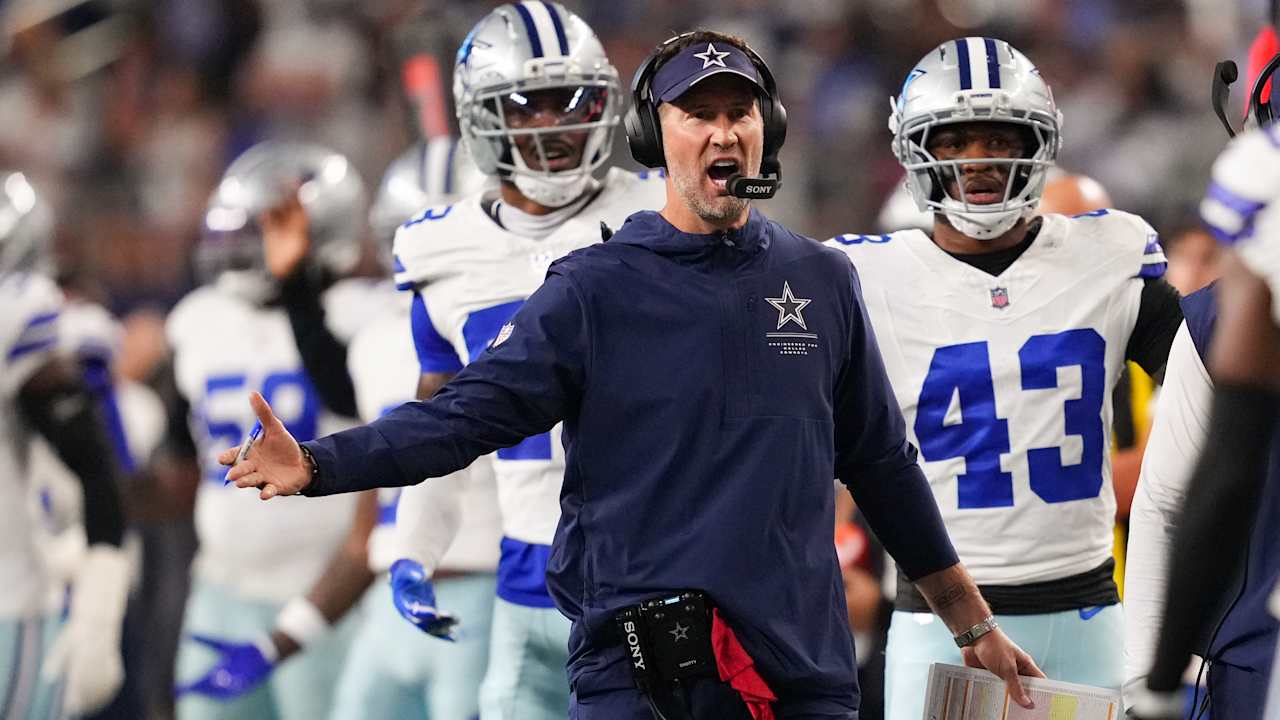
Cowboys vs Buccaneers: Jerry Jones reacts to costly 24-16 loss
The Cowboys walked into Tampa with margin for error and left with a 24-16 loss, a 2-3 record, and a lot of uncomfortable questions. Jerry Jones sounded exactly like an owner who knows the tape is goin
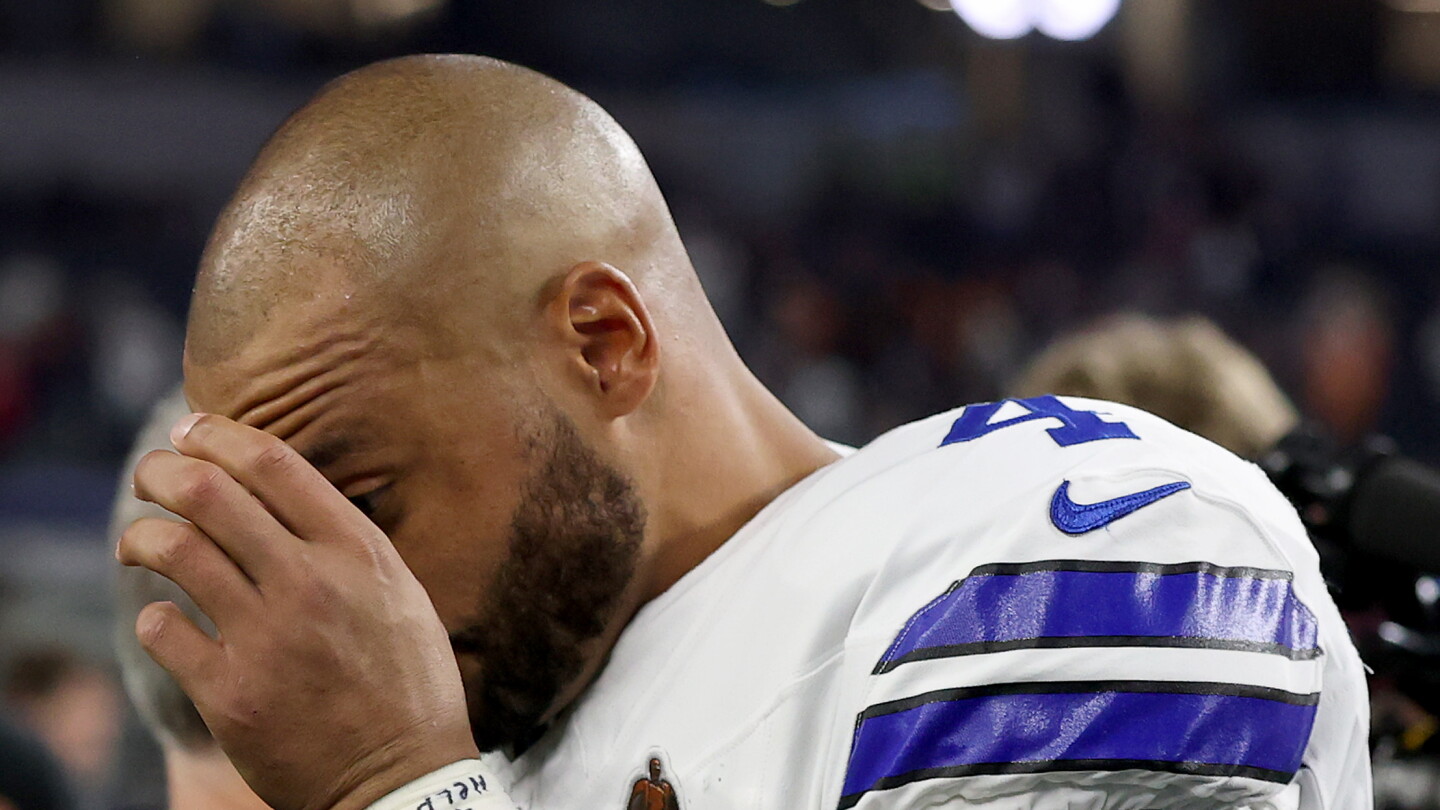
Dak Prescott Cowboys loss: tunnel jab shows the whole mess
Dak Prescott took a tunnel shot after the Buccaneers loss and answered with a veteran’s bite. The problem is the sting didn’t come from one heckler — it came from the whole operation.

Dak Prescott Cowboys loss: worker heckles QB with 'embarrassing' dig
A postgame walk turned awkward fast for Dak Prescott, with a worker reportedly tossing out an 'embarrassing' comment. In Dallas, that lands heavier than most places.