
Jordan Spieth Late Meltdown: FedEx Cup Top 50 Slips Away
A single birdie became the hinge between security and another hard summer lesson.
 Beatrice Kensington6 min read
The cost of one quiet missed chance
MEMPHIS, Tenn. — Golf is often sold to the public as a test of elegance, of tempo and touch and nerve, but the FedEx St. Jude Championship reminded us again that it is also a merciless accounting ledger. Jordan Spieth entered Sunday with a target that sounded almost modest for a player of his pedigree: shoot 67, make one late birdie, move safely inside the top 50 in the FedEx Cup, and secure his place in the kind of lucrative postseason neighborhood where the cash is so large it begins to look abstract. He needed one clean finish. Instead, the final three holes turned into a small theater of regret.
That is the thing about golf’s modern economy. A player can work for four hours to earn a handful of strokes and lose more than money in a few anxious minutes. Spieth’s late stumble did not merely spoil a round. It altered the shape of his 2027 calendar, pushing him away from the guaranteed entrance to the $20 million events that separate the merely rich from the very well protected. The difference is not cosmetic. It touches schedule access, pressure, perception, and the quiet psychological comfort of knowing your season has a floor beneath it.
Spieth’s last three holes changed the math
The detail that will linger is almost cruel in its simplicity: one birdie over his last three holes would have been enough. Not a moonshot, not a heroic charge from the back nine, just one ordinary bit of scoring that a player of Spieth’s class has built a career on making look inevitable. But golf has never been kind to assumptions, and in the cauldron of postseason points, “should have” is a tax written in invisible ink.
This is why the FedEx Cup format can feel at once exhilarating and medieval. It compresses a long season into thresholds and traps, then asks players to survive the borderlands. Spieth has lived many golfing lives already — Jordan Spieth, the prodigy, the champion, the veteran trying to reclaim the old rhythm — yet the game still finds ways to remind him that past accomplishments do not buy present certainty. He can win crowds. He can command galleries. He cannot negotiate with the scoring line.
The harshness of this particular miss is that it arrived at the exact moment when stability mattered most. The postseason is not simply about prize money; it is about keeping the machine greased for the next year. Top-50 placement carries the kind of practical advantage that rarely makes highlight reels but matters everywhere else. It is the difference between planning and pleading.
What top-50 security really buys
For players outside the sport’s inner sanctum, a missed cut is just a missed cut. For someone in Spieth’s position, sliding out of the protected group is a quieter form of vulnerability. It means the sport’s richest stages become less certain. It means the route to elite fields gets narrower. It means each week can begin to feel like a referendum instead of a routine.
That burden lands hardest on players with reputations, because reputations do not play the next shot. They merely shadow it. Spieth remains one of the most recognizable figures in the game, still tethered to the memory of the astonishing rise that once made him the face of golf’s next generation. But the modern tour does not honor memory for long. The business model rewards current relevance, and the top-50 cut line is one of its bluntest enforcers.
There is also a broader truth here about the PGA Tour: the new high-money era has made every margin feel more consequential, not less. The golf is the same. The consequences are not. A missed birdie can now carry the weight of an entire future itinerary. That may be efficient. It is not gentle.
One birdie would have bought Spieth not just entry, but breathing room — and breathing room is a luxury in modern golf.
The emotional ledger of a player like Spieth
I keep returning to the human side of this because golf, more than most sports, turns inward. A guard can blame a screen. A striker can blame service. A golfer stands alone with his thoughts, his club, and the blunt arithmetic of the scoreboard. When Spieth walked off after failing to close out the round the way he needed, the disappointment was not merely competitive. It was existential in the small, private way these moments often are.
I have long believed there is a special cruelty reserved for champions who must spend the middle years of their careers proving that the game has not moved on without them. The record books preserve their peaks, but the weekly grind does not. Spieth’s fame makes every near miss feel louder, every late mistake more symbolic than it ought to be. That is unfair, and it is also the price of being once incandescent. The world remembers the flame even when it is judging the wick.
He is not the first decorated player to be dragged back to the edge of the status ladder. He will not be the last. What makes this one sting is how narrow the escape route was. A single birdie. Three holes. A season’s worth of future convenience hanging by a thread.
What this says about the modern money chase
The present-day PGA Tour has created a sport where the line between success and insecurity is often measured not in trophies but in access. A player can be respected, even beloved, and still find himself in need of a late-week rescue to preserve the shape of his year. Spieth’s fate at Memphis is a sharp illustration of that reality.
It also says something about how the sport now values continuity. The $20 million events are not just fat purses; they are markers of belonging. To qualify for them in 2027 would have meant a smoother runway, less schedule anxiety, and a better chance to build form without constantly looking over the shoulder. Missing out does not end the story. It does, however, make every subsequent chapter harder to write.
For Spieth, the next stretch will be about response as much as recovery. The season will ask whether he can turn this bruise into fuel or whether it becomes one more entry in the growing archive of close calls that define late-career golf. Either way, the round in Memphis will sit there, plain and unsparing, like a note in the margin.
The next tee does not care what almost happened. It only cares what comes out of the bag.
Watch the follow-up closely. In golf, the aftershocks often tell the truest story.
More from Straight From The Bench
Comments
Join the conversation — sign in to leave a comment.
Sign in to commentRelated Stories
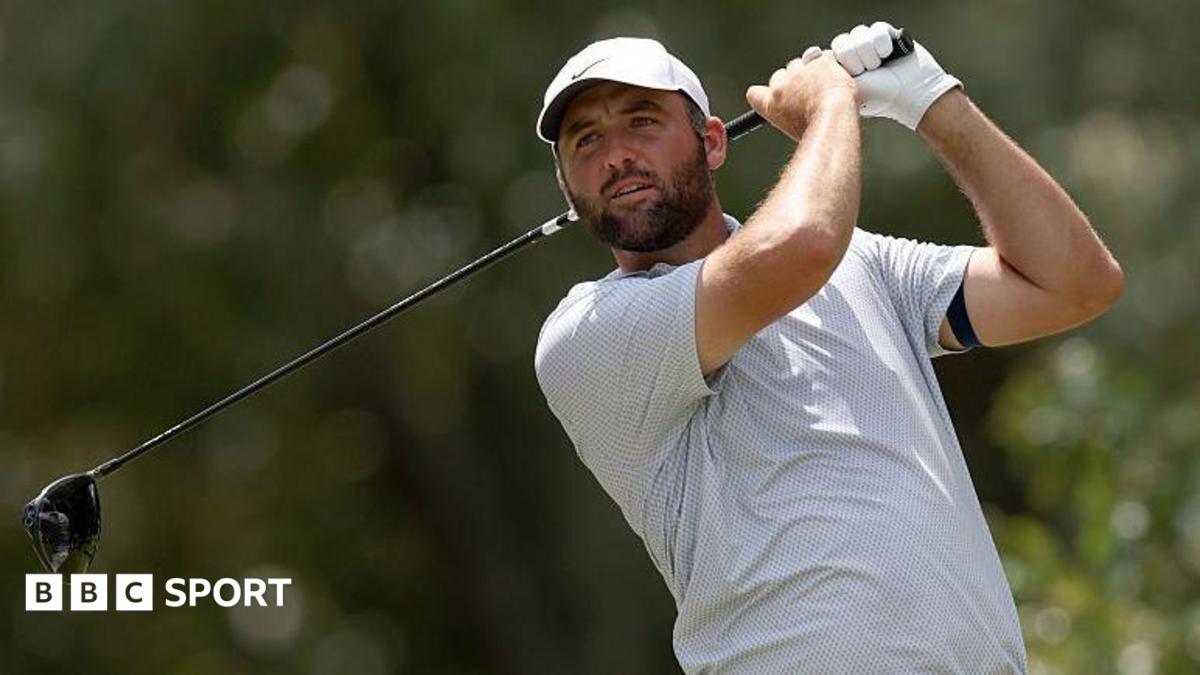
Scottie Scheffler St. Jude Championship: FedEx Cup lead in hand
Scottie Scheffler enters the final round at St. Jude with a two-shot cushion and a familiar look: calm, relentless, and very hard to catch.
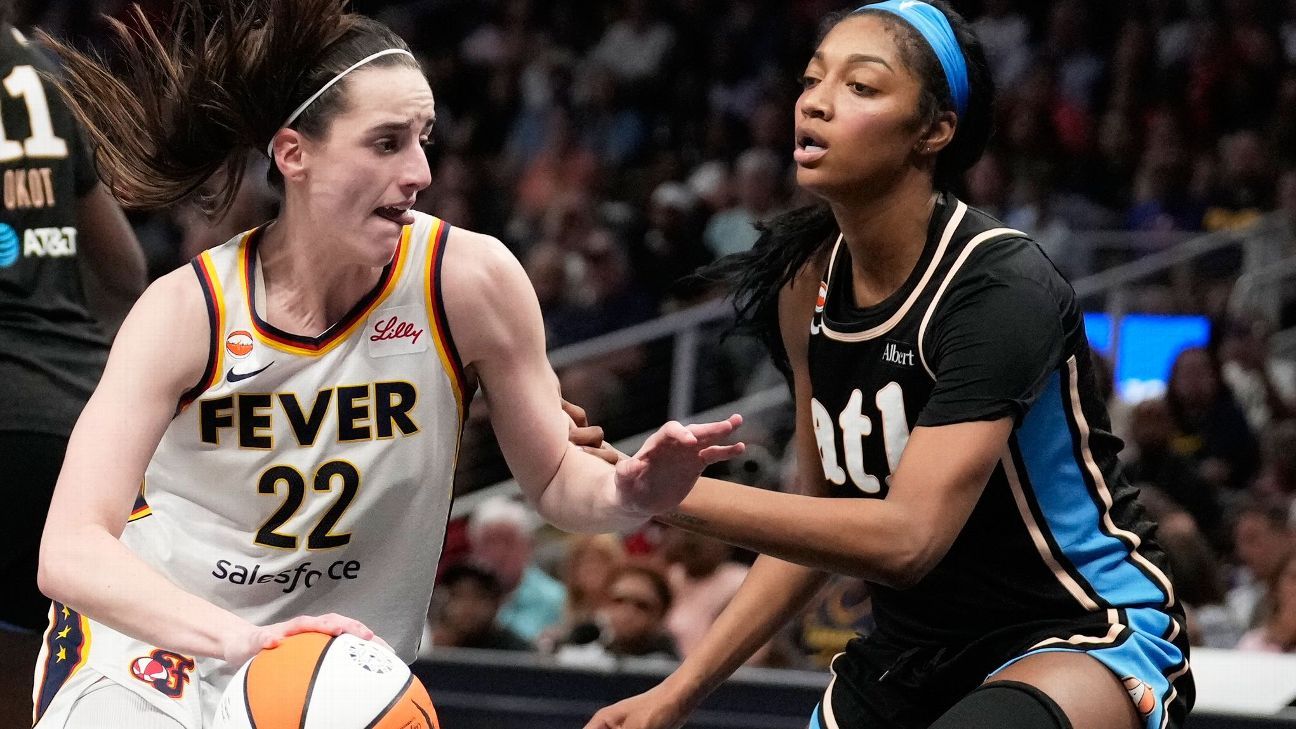
Fever vs Dream: Indiana Grabs OT Win With Playoff Stakes Rising
Indiana walked out of Atlanta with a 95-91 overtime win that could matter far beyond one Sunday. The Fever made the plays that usually decide playoff races.

Von Miller Cowboys Signing: Dallas Brings Home a Local Legend
Von Miller is headed to Dallas, and the Cowboys are betting a homecoming can still bring heat off the edge. The man from DeSoto gets his shot in front of the folks who knew him first.