
Josh Allen Ed Oliver Update: Bills Grieve, Privacy Fractures
When sorrow becomes public property, a locker room feels the strain.
 Beatrice Kensington6 min read
The first hard thing to understand is that the Buffalo Bills were trying, in their own imperfect way, to protect a family from becoming a headline. The second is that in modern football, even grief can be stripped for oxygen and fed to the public before the people closest to it have found words of their own. Josh Allen’s frustration — his reported sadness, his anger — lands with the force of a quarterback who knows that what happens in a locker room is supposed to stay sacred. It also lands with the ache of any teammate who has watched one of his own be forced to carry a private loss under stadium lights.
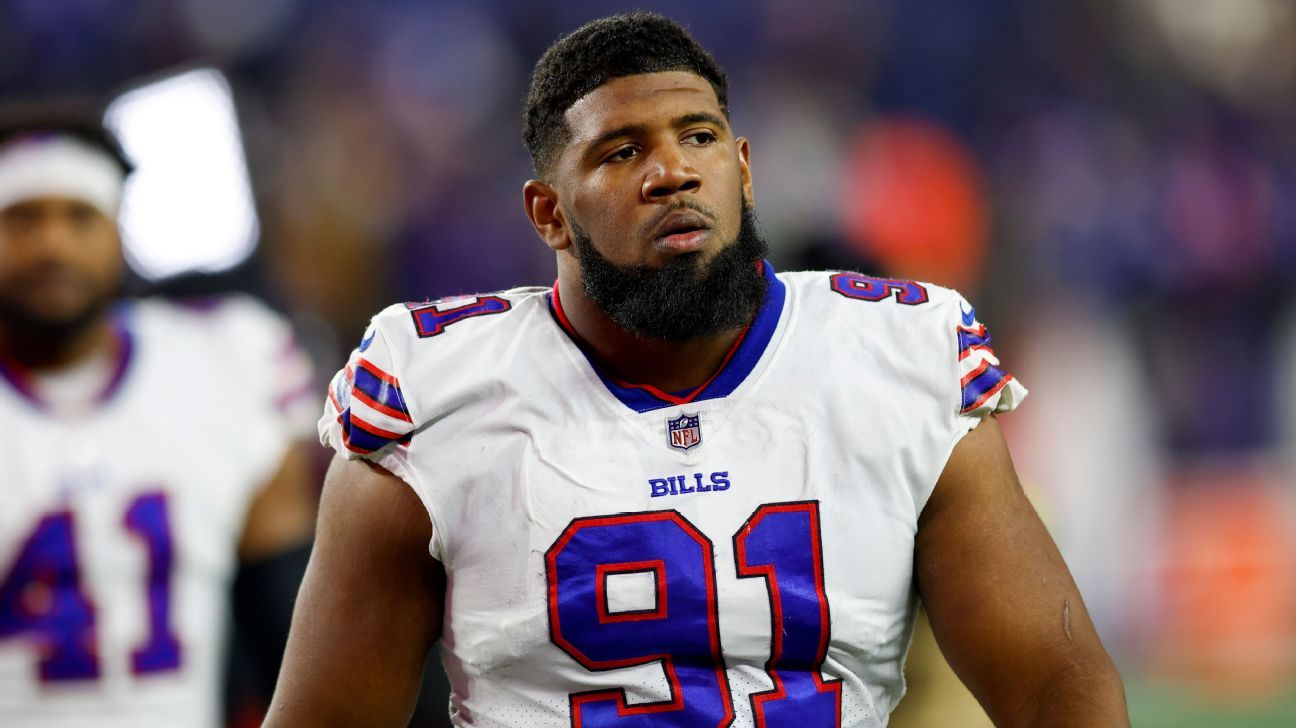
Ed Oliver’s son died earlier this summer, a tragedy that was already known inside the organization and, by all appearances, handled with the discretion such a wound deserves. That most people around the Bills waited for Oliver or the team to speak before the story became public is not a footnote. It is the story. In a sports culture that often treats confidentiality like a quaint relic, the restraint shown by so many within Buffalo says something about the moral code a locker room can still keep when it wants to.
What Allen was really defending
Allen’s reaction is not only about one family’s pain being exposed. It is about the line between empathy and spectacle, a line that media ecosystems now cross with a kind of careless speed. The quarterback is the face of the franchise, but he is also the emotional organizer of that room, the player teammates watch when the weather turns rough and the ground goes quiet. When he speaks with that kind of raw disappointment, he is not performing leadership. He is defending dignity.
That matters because NFL teams like the Buffalo Bills sell themselves on brotherhood. The phrase can sound like marketing until something truly awful happens, and then it becomes either real or empty. In this case, the reaction from inside the building suggests the Bills had real brothers there. They understood that Ed Oliver did not need his grief converted into content.
Some stories belong to a locker room first, and the public only if the family decides it does.
The human cost behind the football machine
There is a peculiar cruelty in how professional sports can flatten the full dimensions of a person. Oliver is a defensive tackle, a first-round pick, a force at the point of attack; those facts fit neatly into a game note. The death of his child does not. It cannot be reduced to a lineup decision or a weekly availability report without doing violence to the scale of the loss.
This is where the league’s mythology runs into the plain fact of being human. These men are asked to absorb collisions, then answer polite questions, then return to work. But some losses do not fit into the sanctioned language of the NFL. They sit outside the playbook. They alter the air in a building. They can make a routine practice feel like a room with a missing wall.
The Bills have spent recent seasons trying to climb from contender to something more permanent, the kind of team that expects January rather than hopes for it. Yet every club eventually discovers that football’s clean geometry is an illusion. Family emergencies, illness, death — these are the forces that ignore personnel groupings and cap sheets. They touch everyone. They do not ask permission.
Why the timing of the leak matters
There is no way to write about this without writing about timing, because timing is the cruelty here. If a painful development is already known internally, then the choice to hold it until the family is ready is an act of respect. To release it early is to rob that family of authorship over its own story.
That is why Allen’s anger feels so understandable. A team can survive a lot: bad weather, bad calls, bad stretches, bad breaks. What it cannot afford — not if it wants to call itself a family with a straight face — is casual disregard for the private sorrows of its own people. The NFL, for all its polished messaging about wellness and support, still too often behaves like a machine that thinks access is the same thing as entitlement.
I have watched enough seasons, enough crises and comebacks and solemn Tuesday announcements, to know that the league’s softest language is often the most revealing. It tells us what it fears being held responsible for. Privacy is one of those things. The moment a player’s pain becomes a talking point before the player has spoken, the system has failed a basic test of decency.
And yet there is something else here, too, something sturdier than outrage. The Bills’ apparent willingness to wait — to let Oliver and his circle decide when and how to acknowledge the loss — is a small act, but in a sport that so often rewards appetite over restraint, small acts matter. They are the difference between a room that protects its own and a room that merely uses the word family for embroidery.
What this says about the Bills now
For Buffalo, this is not just about a painful news cycle. It is about the culture that Josh Allen) has helped shape, one in which accountability and emotional candor have become part of the team’s identity. That identity is often discussed in terms of toughness, but toughness without tenderness is just hardness. What Allen showed here — if the reporting reflects the room accurately — is that a hard team can still be a humane one.
This also places a different kind of pressure on the Bills as they move forward. Not strategic pressure. Human pressure. There will be games to win and injuries to manage and the usual hurricane of September expectations, but this is the sort of event that leaves a trace on everybody. The line between compartmentalizing and suppressing can get thin fast. Coaches can diagram coverages. They cannot diagram grief.
For readers who follow football only through scores and standings, there is temptation to treat this as a side note, an emotional add-on to a more important business. It is not. The way an organization handles death tells you more about its character than a dozen good press conferences ever could. So does the way the star player responds when that character is tested.
There is a reason people still talk about locker rooms as if they were separate countries with their own customs and rules. Sometimes they are. Sometimes they are the last place where a man can expect his pain to be guarded instead of monetized.
The Bills will keep playing. They always do. But there are moments when the standings recede and the moral scorecard comes forward. This is one of them.
Buffalo will move on to football. It has no choice. The only question is whether the respect shown inside that building will survive once the noise returns. For now, it should be enough to say this: some lines were crossed, and Josh Allen was right to be furious.
More from Straight From The Bench
Comments
Join the conversation — sign in to leave a comment.
Sign in to commentRelated Stories
Shedeur Sanders on Deshaun Watson Booing: Cleveland Tension
Shedeur Sanders didn’t love the boos aimed at Deshaun Watson, and that reaction says plenty about the Browns’ tension. This is bigger than one preseason snap.

Deshaun Watson Browns Fans: Booing Turns Preseason Into Noise
Deshaun Watson bristled after Browns fans booed him in preseason, calling it disrespectful. In Cleveland, though, the crowd’s patience has been spent like an old tire.
Ed Oliver son death: Bills star faces unimaginable loss
The Bills are dealing with a human story that dwarfs the sport. Ed Oliver’s loss changes the conversation in Buffalo instantly.