
Kawhi Leonard sponsorship deal: Clippers face fresh scrutiny
Same old smell, different envelope. The NBA’s funny business alarm is ringing again.
 Leo Lupo5 min read
Another ad deal, another cloud over Clipper land
The Los Angeles Clippers can’t seem to kick this one off the back porch. Just when the smell around the alleged no-show sponsorship arrangement with Kawhi Leonard and the now-dead sustainability outfit Aspiration was starting to settle into the league’s musty file cabinet, another report says there may have been a second multimillion-dollar sponsorship path running through the same neighborhood. This one, reportedly, involved the team’s scoreboard manufacturer.
That’s not a basketball story. Not really. It’s a credibility story. And those have a way of sticking to a franchise longer than a bad shooting slump in January.
The Clippers have spent years trying to present themselves as the polished alternative in Los Angeles — new building, deep pockets, star power, no more old Clipper nonsense. Fine. But the league doesn’t hand out a clean conscience with the suite lease. If these deals were really all above board, the paper trail ought to read like accounting, not a shell game.
The Kawhi Leonard question never goes away
Leonard has always been a strange case, even by NBA superstar standards. Quiet. Careful. Built like a tank and talked about like a rumor. He doesn’t chase the camera, and that’s his right. But when a player with that profile gets attached to one odd off-court arrangement after another, people start squinting.
The league already has its hands in the Aspiration mess, which has been hanging over this team like mildew in a locker room shower. Now comes word of another alleged sponsorship tie, this one tied to a company doing business with the franchise itself. That’s where the eyebrows go up. Not because players can’t have endorsements. They can. Everyone from Michael Jordan to the lowest man on the roster has found a way to sell socks, smoothies, or whatever else pays the mortgage.
The issue is whether the deal was real business or a creative way to move money where the salary cap can’t see it. The NBA has spent decades trying to keep teams from doing what team owners, naturally, keep trying to do — find a side door and call it a sponsor package.
Why this matters more than another headline
The Clippers are not some sleepy small-market club nobody notices. They sit in the second-largest market in the league, own a brand-new arena to show off, and have been trying to write a clean modern story for years. But once allegations of under-the-table benefit structures start bouncing around, the story changes fast.
It matters to the rest of the roster, too. Players notice when the franchise gets boxed into an investigation that has nothing to do with pick-and-roll defense or rebounding. Coaches hate it. Agents hate it. Rival front offices love it, because every ugly whisper chips away at the image the Clippers have tried so hard to build.
And don’t kid yourself about the fans. They can smell a league credibility mess from the parking lot. They may not know every tax form or sponsorship clause, but they know when a story sounds too neat to be accidental.
If the deal looked too convenient then, it looks even worse now.
The NBA’s old problem: rich teams, fancy language, same tricks
I’ve covered enough of this league to know the script. Different decade, same dance. Somebody rich finds a way to make the money look legitimate. Somebody in the league office acts surprised. Then everybody hides behind “ongoing review” until the calendar turns and the public forgets where it left the keys.
This is why the league can’t afford to shrug. Not with a player of Leonard’s stature and not with a franchise that has spent years trying to shake the old joke that the Clippers are somehow always the place where weird things happen under the polished surface. You can build a palace. You can hire the right people. You can plaster the walls with branding. None of that matters if the operation still looks like it’s working the edge of the rulebook.
The NBA has lived through enough salary-cap mischief to know the difference between a real endorsement and a wink-wink arrangement dressed up in corporate clothing. The league may not want to make a federal case out of every suspicious contract, but if it lets this sort of thing slide, it invites ten more versions of it before the season’s first road trip is over.
My read: this is about more than one star and one sponsor
Here’s the part that matters, and I’ll say it plain: if a franchise is doing business with a company that then shows up in a player arrangement, the public is going to assume the worst unless the details are crystal clear. That’s not paranoia. That’s how sports works now. Trust is earned in daylight, and the Clippers keep finding themselves in the shade.
Leonard doesn’t need any more mythology. The man’s legacy already has enough layers — the rings, the load management baggage, the postseason brilliance, the icy demeanor that drives talk-radio lifers crazy. But this is bigger than Kawhi’s reputation. It’s about whether teams can keep acting like the league’s rules are a suggestion with a nice font.
And if you want the historical parallel, think back to all the times front offices have tried to blur compensation lines and then acted offended when somebody held a flashlight up. The league loves innovation until the innovation starts looking like circumvention. Then everybody suddenly develops morals.
A franchise that wants to be taken seriously has to stop leaving fingerprints on the glass.
The next move belongs to the league office, and maybe to the folks in charge of the Clippers’ image machine. They can deny, explain, and lawyer up all they want. The only thing that fixes this kind of stink is transparency. Without it, this story doesn’t fade. It ferments.
More from Straight From The Bench
Comments
Join the conversation — sign in to leave a comment.
Sign in to commentRelated Stories
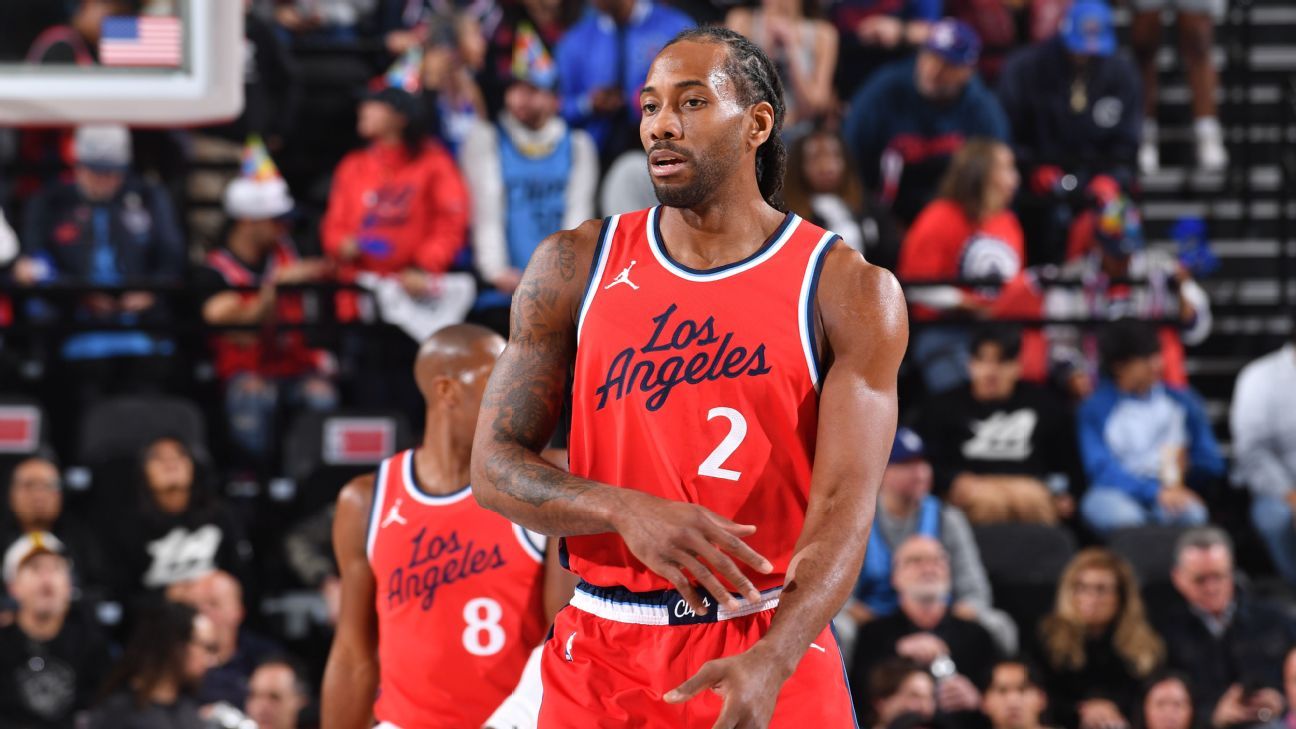
Kawhi Leonard sponsorship deal: Clippers, Daktronics scrutiny mounts
Kawhi Leonard’s alleged undisclosed deal with Daktronics adds another ugly wrinkle to the Clippers’ optics. In the NBA, the paper trail always outlives the press release.
Megan Rapinoe and Sophie Cunningham accountability row
Megan Rapinoe’s call for accountability puts Sophie Cunningham’s comments back under the microscope. This is about sports, speech, and who gets dragged into the center ring.
Dillon Brooks Suns Extension: Phoenix bets on a snarling edge
Phoenix is keeping Dillon Brooks through 2029-30, a clear sign the Suns value his bite, scoring punch, and all-court annoyance.