
Lane Johnson Retirement Comments: Stephen A. Smith Apologizes
A public correction, and a reminder that pain is not a storyline.
 Beatrice Kensington5 min read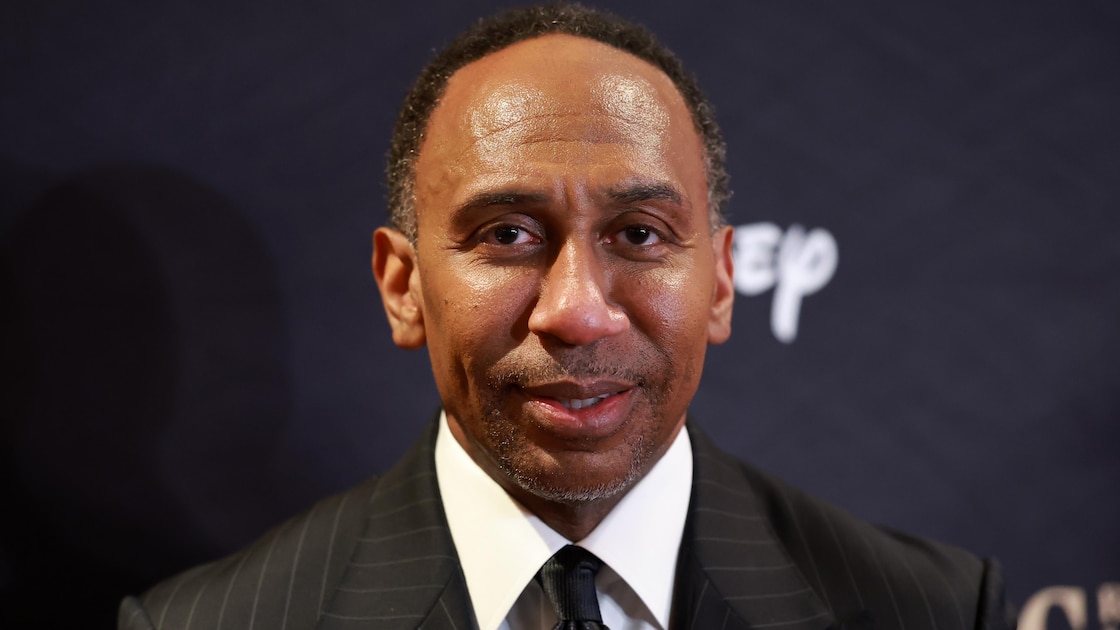
Lane Johnson did not owe anyone a neat explanation for stepping away, and Stephen A. Smith learned, publicly and promptly, what happens when a familiar sports reflex runs headlong into something more intimate than football. Johnson’s retirement was already a serious story, one wrapped in the hard language of wear and tear, family, and mental health. Smith’s first read on it — suggesting the Philadelphia Eagles tackle was reacting to the team’s struggles — flattened a human decision into a talking point. His apology was necessary. The larger lesson is louder still.
A retirement that was never just about football
Johnson has spent the better part of a decade as one of the NFL‘s most respected linemen, a player whose value is usually measured in what never reaches the box score: the pocket held, the edge sealed, the quarterback protected. That kind of labor is invisible until it fails. It is also cumulative, and the body does not keep a receipt for every snap.
Retirement in football is rarely a clean departure. It is often the final page after a long stretch of private negotiation, with pain, family life, and the sheer emotional burden of the profession all crowding the table. That is why Smith’s initial framing landed so poorly. It treated Johnson’s decision like a commentary on the Eagles’ season rather than a personal reckoning. Those are not the same thing. Not remotely.
The old football culture still likes its exits in one of two forms: triumphant farewell or whispered decline. Real life is messier. Sometimes a player leaves because the game has taken enough. Sometimes the family at home matters more than the huddle at work. Sometimes the mind, not the ankle or the back or the shoulder, is the thing that can no longer carry the load.
The cost of talking too fast in the age of constant takes
Not every retirement is a verdict on the team. Some are a verdict on the toll.
Smith built a career on speed, instinct, and volume, and there is a place for that in modern sports media. There is also a cost when the commentary machine gets ahead of basic decency. The apology matters because it acknowledges that, in the rush to interpret everything through the scoreboard, a real person got reduced to an argument.
That reduction has become a feature of the sports conversation, not a bug. We ask for instant reactions, then act surprised when they arrive half-formed. The social contract around athletes has shifted, too; fans want transparency, but only on terms that fit a television segment. When an athlete’s decision does not match the tidy narrative — injury as destiny, loss as motive, ego as explanation — the public often reaches for the nearest shorthand and keeps moving.
This is where the Johnson story touches a nerve beyond Philadelphia. The league has spent years trying to speak more openly about mental health, burnout, and the unseen grind of the sport. Yet the instinct to interpret emotional decisions through competitive frustration remains deeply embedded. It is easier, I think, for some observers to believe a player retired because of a bad stretch than because he decided he had carried enough weight.
What this says about the Eagles and the league’s old habits
For the Eagles, Johnson’s departure is not just emotional; it is structural. An elite tackle is one of the most difficult pieces to replace in football, and even a team built on physical identity knows the difference between theory and reality when a cornerstone walks away. But the football consequences, significant as they are, should not crowd out the human ones.
This is also a reminder that the league’s language around toughness can still be cruelly one-dimensional. We praise durability until it becomes exhaustion. We celebrate sacrifice until it looks like surrender. Then we ask why players do not always speak honestly about what they are carrying.
Johnson’s retirement should be allowed to stand as what it is: a personal decision from a veteran who knows his own threshold better than anyone on a studio set. Smith apologized, and that was the correct move. But the broader apology the sports media world owes is to the idea that every meaningful choice by an athlete must be translated into team drama before it is considered real.
I have written long enough around this game to know how quickly a veteran can be turned into a symbol. One day he is the stalwart, the anchor, the last adult in the room. The next he is a television prompt. The problem is not only disrespect; it is myopia. Football careers are short, violent, and often expensive in ways no salary line can fully express. When a player chooses his own exit, that choice deserves more than suspicion.
I do not think this will be the last time a high-profile retirement gets collapsed into a convenient narrative. The sports business does not reward patience. It rewards certainty, even false certainty. But there is still value in the pause, in admitting that a person might be right about his own life even when the rest of us do not have a tidy explanation.
A small apology with a larger meaning
The apology itself will not change the season, and it will not undo the instinct that produced the mistake. But it can still matter. In a media climate built to punish hesitation, publicly correcting yourself is its own kind of discipline. It is a recognition that some subjects — family, health, the end of a career — deserve a softer hand than the one used for a bad beat or a coaching decision.
What should endure here is not the original misread, but the boundary it revealed. There are games to break down and there are lives to respect. Sometimes the most responsible thing a commentator can do is understand the difference before speaking, not after.
Johnson has earned that respect. So has every player whose final decision is more complicated than the hot take assigned to it.
The season will move on. The debate will find another target. The better lesson should travel with it.
More from Straight From The Bench
Comments
Join the conversation — sign in to leave a comment.
Sign in to commentRelated Stories
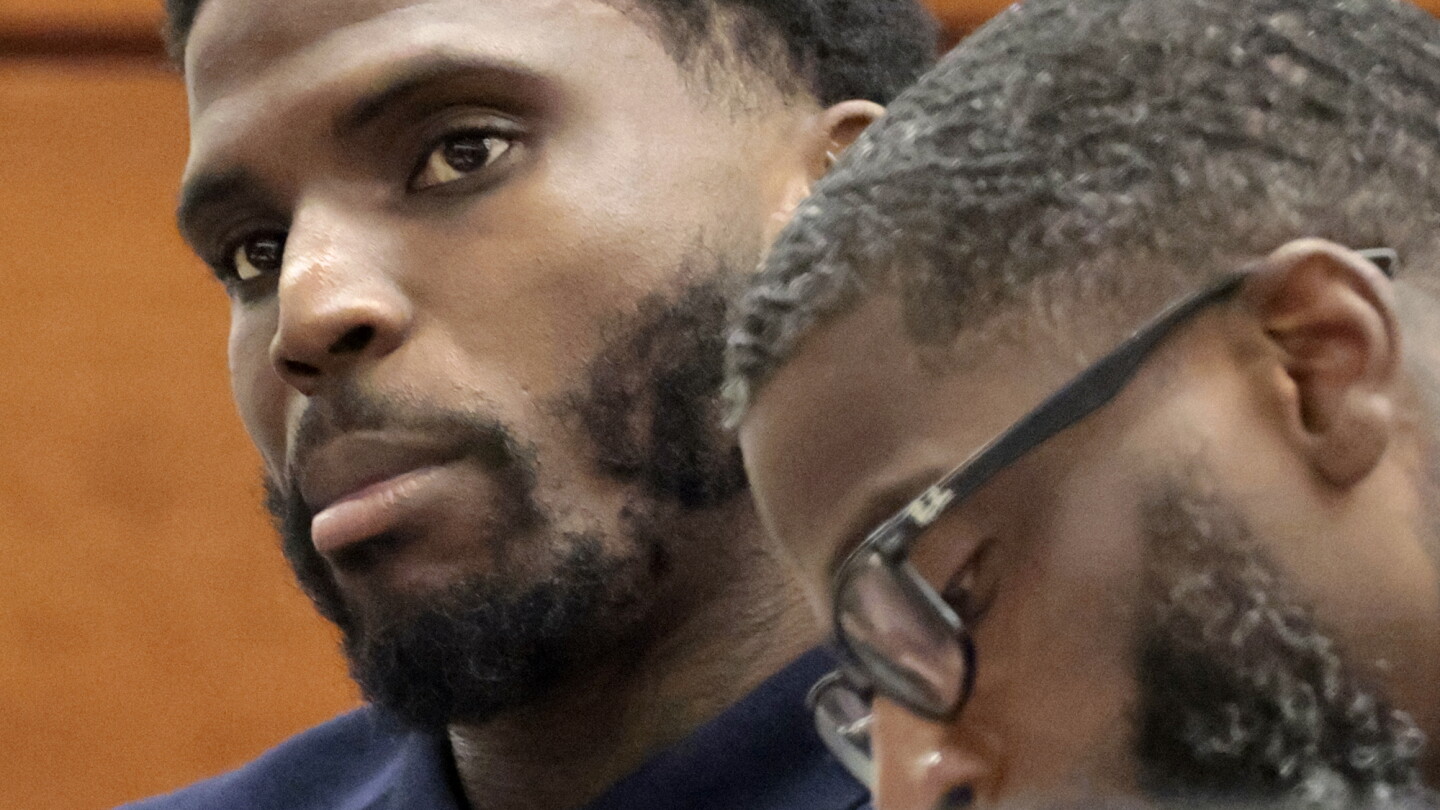
Tyreek Hill Divorce Case: Audio, Video Put Pressure on Both Sides
The Tyreek Hill divorce trial is dragging private life into public view, with audio and video now part of the record. For a free agent, that matters beyond the courtroom.
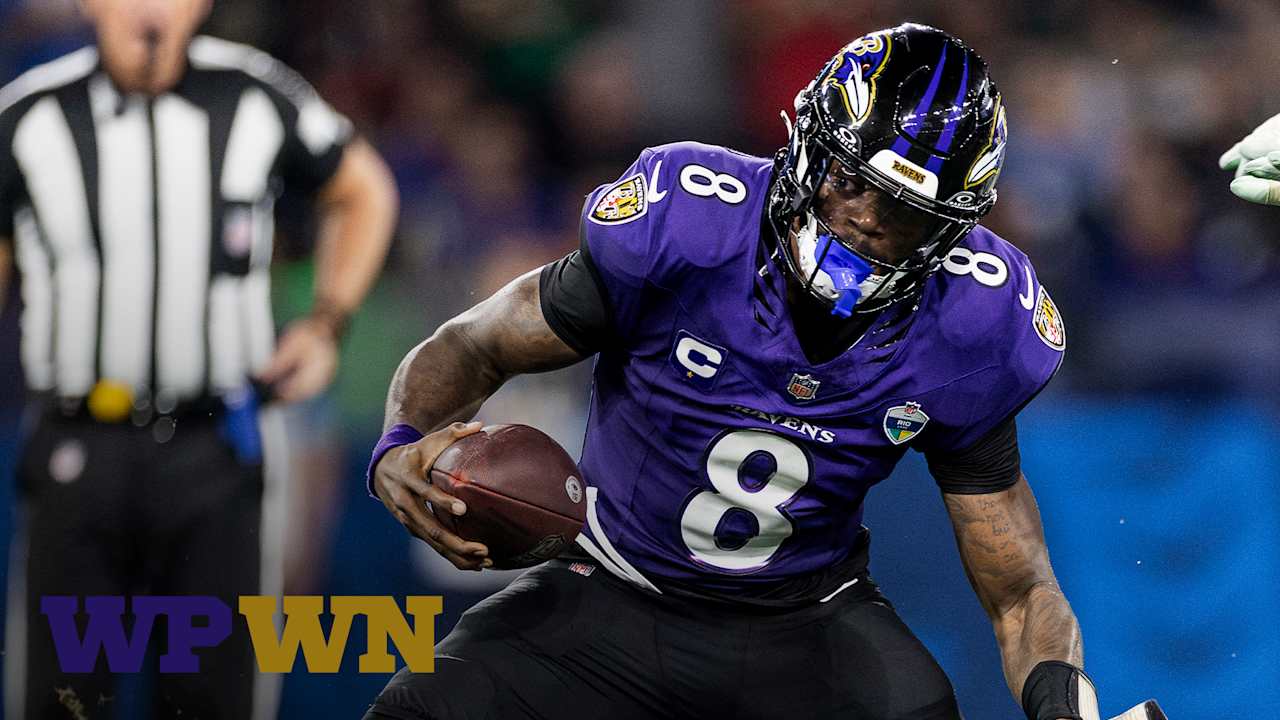
Lamar Jackson Ankle Injury Update: Ravens Hold QB Out of Practice
Lamar Jackson was absent from early Ravens practice with an ankle injury, a reminder of how quickly Baltimore’s margin for error can shrink. The team now waits on the health of its most indispensable

Tony Romo Career Update: Jerry Jones Says He’s Just Getting Started
Jerry Jones poured gasoline on the Tony Romo conversation, and the message is clear: this is not a sunset story. CBS may be done, but Romo still has plenty of runway.