
LeBron James 76ers Signing: What the $8 Million Deal Means
A superstar bargain, a restless city, and another season built on hope.
 Beatrice Kensington6 min read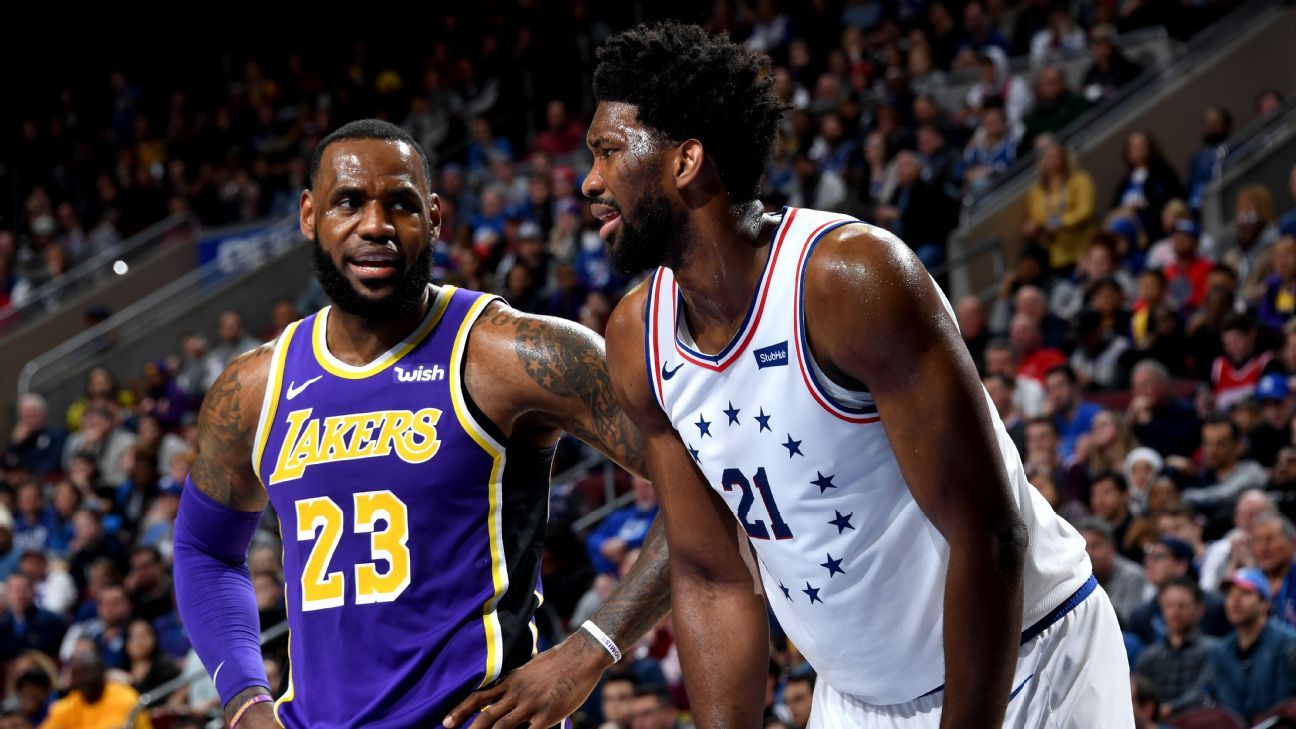
LeBron James does not arrive anywhere quietly, and Philadelphia was never going to be the exception. A two-year, $8 million contract is the sort of number that belongs to a rotation wing or a veteran who still checks in for the final six minutes. Instead, it belongs to a 40-something force of nature who has spent two decades bending basketball’s geometry to his will. The 76ers have not merely added a name. They have added gravity.
This is the kind of move that makes a front office look either shrewd or reckless, sometimes both at once. For Philadelphia, the price is almost comically low for a player whose presence changes the temperature of an arena before he ever takes the floor. The Philadelphia 76ers have spent years living in the tension between ambition and fragility, between a roster built to contend and the recurring fear that something, somewhere, will come apart at the seams. LeBron does not erase that history. He stands beside it, taller than most, and asks everyone to believe the story can turn.
A bargain that still costs plenty
The contract number will be repeated often because it is the hook, the headline arithmetic. Eight million dollars for LeBron James is not a basketball contract so much as an accounting trick with shoulder pads. Yet the real cost is never just the salary. It is the oxygen he consumes, the expectations he imports, the way every possession starts feeling like a referendum on whether age has finally found him.
And still, Philadelphia would sign up for that burden in a heartbeat. Why? Because stars do more than score. They stabilize. They calm a brittle half-court offense. They keep a road crowd from turning too smug. They make opposing coaches spend the night muttering over matchups that did not exist a day before. Even a reduced LeBron, if that is what this is, remains a problem that has to be solved every single game.
That is the bargain here: the NBA gives you a salary cap; LeBron gives you a way to make the cap feel negotiable. Not invisible. Negotiable.
The 76ers are buying more than points
Philadelphia did not need another empty suit with a big reputation. It needed clarity. It needed someone who can stand in the middle of chaos and turn it into a playbook. The Sixers already know what a summer splash looks like; they also know that splash can dry up fast if the roster does not have a spine. LeBron, whatever else he is at this stage, is a spine.
There is a difference between star power and structural value, and too often teams confuse the two. Star power sells jerseys, fills suites, and soothes fan anxiety for a while. Structural value changes the way the ball moves, the way young players learn where to stand, the way a bench unit behaves when the game starts to tilt. LeBron’s best gifts in the late chapter of his career may not be nightly 35-point theatrics. It may be the dozen possessions in which he tells the game where to go.
That matters for a Philadelphia team that has spent too many seasons asking itself whether its window is open or merely cracked. A move like this says the front office is done pretending patience will be mistaken for progress.
Philadelphia did not sign LeBron James for a fairy tale. It signed him because even a smaller LeBron can still tilt the whole room.
What this means for Embiid, the East, and the old hierarchy
Any LeBron landing spot changes the math, but Philadelphia is especially loaded with consequence because of what it means for Joel Embiid and the rest of the Eastern Conference. Embiid has lived through enough postseason frustration to understand the difference between having help and having the right help. If LeBron is healthy enough to marshal the offense, the burden on Embiid in the regular season can ease. More importantly, the late-game offensive load can shift from constant emergency to planned machinery.
That is the quiet part of this move: it is not just about who scores. It is about who decides. LeBron has made a career out of carrying decision-making into spaces where other teams rely on instinct or panic. Philadelphia has often looked like a team that knows its ceiling but not always its route to get there. That is where he changes the architecture.
The Eastern Conference, meanwhile, is not exactly made of steel right now. It is deep enough to punish mistakes, but no team should be thrilled to see a rested LeBron and a motivated Philadelphia group in the spring. For a league that constantly markets parity, this is the old familiar thing: one transcendent player still has the power to rearrange the whole conversation.
I have always believed the last great illusion in sports is that superstars merely join systems. They do not. They alter the emotional weather around them. I watched this with Miami, watched it with Cleveland, watched it everywhere LeBron went; the ball would bounce differently, the margins would narrow, and every opponent would begin the night with a little less certainty than it had in the morning. That is what Philadelphia has purchased here. Not certainty. Leverage.
And yes, there is a romantic pull to the idea of LeBron in a city that has never been shy about demanding its heroes arrive ready for the blood and the banners. But romance is a thin thing in July. What matters in April is whether a 76ers team with a new superstar can withstand the grind without asking too much of one body, one memory, one legend. That is the real test, and it is a hard one.
Cleveland was the road not taken
LeBron’s decision not to return to Cleveland carries its own ache because endings matter, and sports loves a circular ending almost as much as it loves a miracle. The Cavaliers would have offered sentiment, closure, maybe even a final homecoming framed by nostalgia and applause. Philadelphia offers something less tender and more urgent: a shot at relevance with consequence attached.
That choice says a lot about where he is in his career and where the league is in its cycle. Nostalgia has become the easiest currency in modern sports, but it can also be a trap. A return home is a beautiful story until it becomes a small one. LeBron seems to have chosen the harder road, or at least the one that asks more of everyone involved. That is fitting. He has never been a man to seek the softest landing.
For the Sixers, the challenge now is not celebration. It is integration. The league has seen enough superstar pairings to know that the music can sound grand in July and flat by December. Philadelphia must make this feel less like a stunt and more like a structure. If it does, it will have turned a bargain deal into a real proposition.
The season just became heavier, brighter, and harder to ignore. That is the LeBron effect. It always was.
Now comes the part where the city counts the days and the rest of the East counts the cost.
More from Straight From The Bench
Comments
Join the conversation — sign in to leave a comment.
Sign in to commentRelated Stories

LeBron James 76ers Signing: The Last Decision, Explained
LeBron James has chosen Philadelphia, leaving Cleveland, Miami, Golden State and Minnesota behind. The move lands like a thunderclap—and raises the stakes everywhere.
LeBron James Reunion: Why Miami Beats Cleveland for His Ending
LeBron James’ legacy isn’t begging for a nostalgia tour. If there’s a last dance, Miami is the place that makes basketball sense.

LeBron James Free Agency: Winners and Losers as NBA Waits
LeBron James is free, and the NBA has been left to pace the hallway. Prediction markets are feasting, front offices are freezing, and the schedule is on hold.