
LeBron James NBA TV Schedule: League Waits on Free Agency
The schedule is stuck in the shadow of one man, and the league knows exactly why.
 Beatrice Kensington5 min read
The NBA is trying to build a national television calendar for 2026-27, and it has tripped over the same old imperial fact of the sport: LeBron James still bends the room. Adam Silver has made it plain that the league would prefer not to lock the slate until it knows where James will play, because the answer shapes ratings, showcase dates, and the stories networks will spend months selling to the public. It is a remarkable sentence to write about a player who has already crossed into the game’s historical furniture. And yet here we are, still arranging the table around him.
That is not merely a scheduling quirk. It is a measure of power. The NBA, its media partners, and every team that hopes to be seen on the biggest stage all understand that one player can tilt the commercial map of a season. LeBron is no longer the sole axis of the league the way he once was, but he remains the most bankable gravitational pull in basketball. If he signs with a contender, the league wants to know which markets to feature. If he stays put, the Lakers remain a national fixture. If he goes elsewhere, the whole exercise changes shape.
The schedule is a business document before it is a basketball document
A television schedule looks, to the naked eye, like a grid of dates and logos. In truth, it is a map of leverage. The NBA’s broadcast partners — NBA, ESPN, NBC, and Amazon — are not just buying games; they are buying drama, certainty, and the possibility of appointment viewing in an era that has made appointment viewing harder to command. The league knows that the fewer assumptions it makes about James, the fewer awkward adjustments it may need later.
This is where the modern NBA differs from the old one. In earlier eras, schedules were built on geography, rivalries, and habit. Now they are built on attention. A team can be mediocre and still matter if it houses a star with a pulse on the national conscience. James has been that sort of player for two decades, and the league’s hesitation tells you how much of the sport’s commerce still depends on a handful of names carrying a disproportionate load.
The irony, of course, is that this dependence is both a strength and a vulnerability. Star-driven leagues create irresistible winter television. They also expose their own fragility when one player’s future can delay a master plan.
LeBron’s next move still reaches far beyond Los Angeles
James is not merely a box-office draw; he is a programming decision in sneakers. Wherever he lands, the ripple hits a long list of places at once: arenas, local broadcast windows, road-trip logistics, merchandise sales, and the fragile competitive ambitions of whichever team convinces itself it can still gather enough basketball around him to matter.
If he returns to the Los Angeles Lakers, the league retains a familiar, reliable pillar for marquee nights and Christmas-week style programming. If he leaves, the NBA is suddenly forced to reconsider where its highest-interest games should live, and whether another market can absorb some of the oxygen he has supplied for so long. The man is 40, give or take a calendar page, yet the entire enterprise still has to ask itself what his next uniform will do to the broadcast arc of an 82-game season.
The league is not waiting on a free agent. It is waiting on a cultural weather system.
That line may sound grand, but it is only the truth dressed for television. LeBron has become one of the few athletes whose choices affect not just a roster, but the architecture of a season. A younger superstar can alter a team’s ceiling. James can alter the way the league sells itself.
What this says about the NBA’s new media age
The broader lesson here is less about LeBron than about the NBA’s current shape. With the next media cycle looming, the league has every incentive to arrive with a schedule calibrated for maximum impact. The networks want tentpoles. The league wants flexibility. Fans want a product that feels coherent rather than opportunistic. And hovering above all of it is the reality that basketball, perhaps more than any other major American sport, still treats individual stars as its principal currency.
That makes the James delay feel almost like a confession. The NBA has spent years broadening its appeal — more stars, more styles, more nationally relevant teams — and still, when it comes time to pin down the biggest dates on the calendar, it looks toward one man. That is not an indictment. It is the residue of greatness.
I have written long enough about sports to know that leagues love to speak in the language of systems, pipelines, and “the product,” as if all of this were an industrial process detached from human charisma. It never is. The NBA’s predicament now is a reminder that even the most carefully engineered entertainment empire still rests on personalities that cannot be scheduled on a whiteboard without some uncertainty. LeBron has spent his career making institutions more valuable than they were before him. He is doing it one last time, perhaps without intending to.
For the Lakers, this delay keeps the air thin and the stakes high. For any possible suitor, it means waiting with cash in hand and a pitch deck ready. For the league, it means a rare public acknowledgment that the biggest television decisions still require one final piece of human news.
The calendar will get built. The story will travel with it.
Soon enough, the NBA will set its dates, sell its showcases, and move on with the business of filling arenas and screens. But the odd little pause around James tells you everything about the league’s center of gravity. Some players are stars. A very small number become infrastructure.
LeBron is still the latter. And the NBA, for the moment, is waiting to see where the road begins.
More from Straight From The Bench
Comments
Join the conversation — sign in to leave a comment.
Sign in to commentRelated Stories

Portland Trail Blazers Lease Talks: City Sends First Term Sheet
Portland has made its first formal move in the Trail Blazers lease talks, a sign that the relationship is still salvageable. The real test is whether this term sheet is a bridge or a holding pattern.
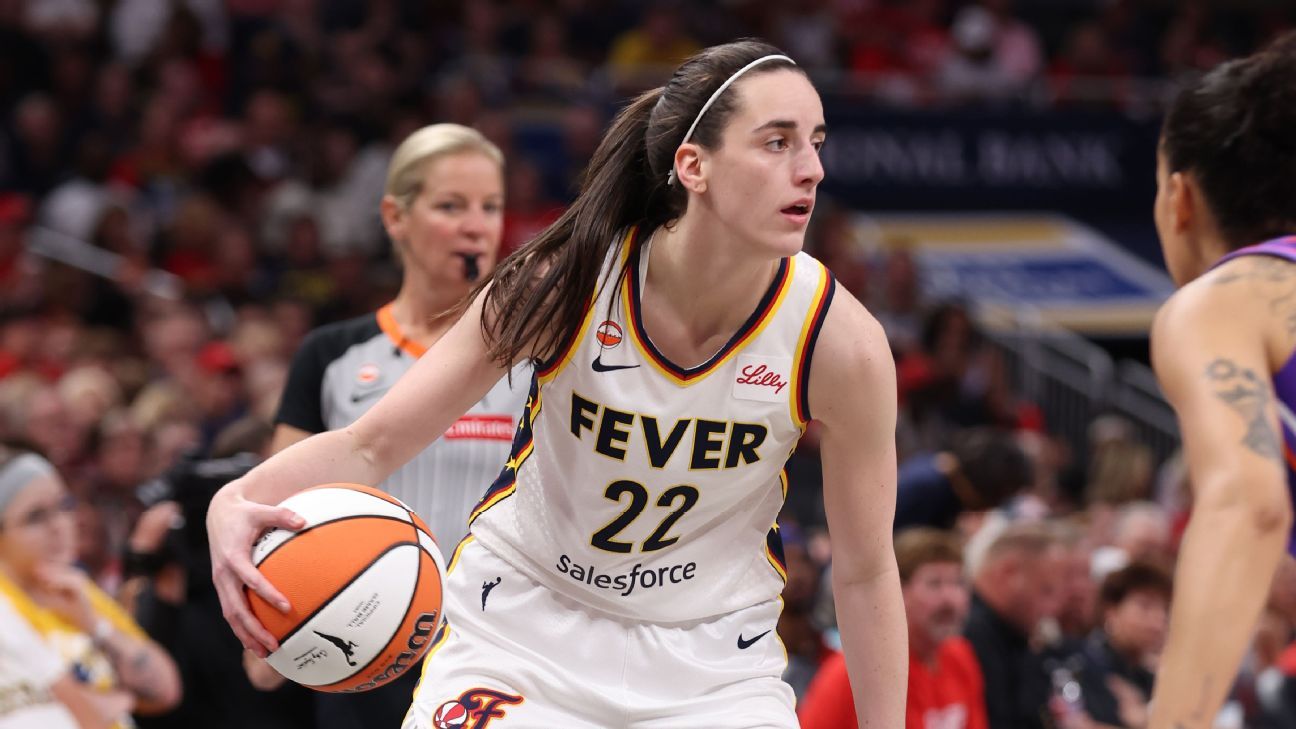
Caitlin Clark WNBA Officiating Debate: Adam Silver Weighs In
Adam Silver just stepped into the Caitlin Clark officiating storm, and that tells you how far this has spread. The WNBA’s brightest spotlight now carries real league-wide pressure.

Caitlin Clark Face of the WNBA Debate: Kareem Pushes Back
Kareem Abdul-Jabbar isn’t buying the easy label for Caitlin Clark. His criticism says as much about the league’s branding habits as it does about Clark.