
Liam Lawson Mexico City GP Qualifying Disqualification Shakes F1
A small technical miss leaves Racing Bulls paying a very large price.
 Beatrice Kensington5 min read
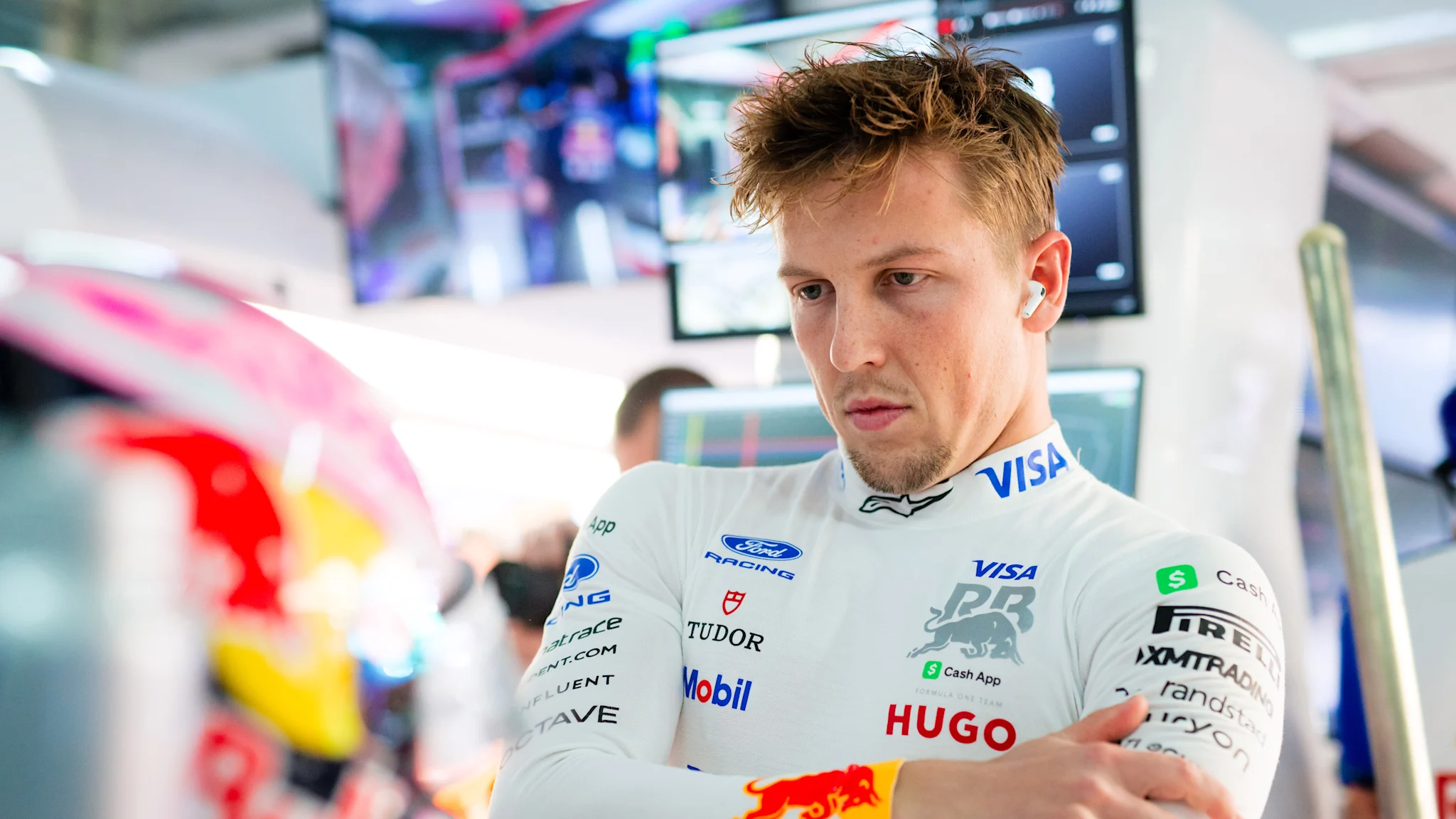
Liam Lawson’s Mexico City Grand Prix weekend, already busy with pressure and expectation, took the hard, sterile turn that only Formula 1 can deliver: one moment you are fighting the clock, the next you are fighting the rulebook. His disqualification from Saturday qualifying did not come with the melodrama of a wheel-to-wheel crash or the theatrical bitterness of a late-race penalty. It came the quiet way these things usually do, through the stewards’ room, through technical language, through a verdict that leaves a driver standing in the aftermath while the grid is rearranged around him.
That is the ache of this sport. The stopwatch may crown you, but the compliance sheet can still bury you.
A qualifying effort undone by the smallest of margins
The stewards’ process, as ever, is brutally procedural. They heard from Racing Bulls representatives, Lawson, the Single Seater Sporting Director, and the FIA technical team, including the Technical Delegate, before the disqualification was confirmed. That matters because Formula 1 is not a playground for interpretation so much as a cathedral of precision. If the car falls outside the technical boundaries, even by a sliver, the result is gone.
For Lawson, the practical damage is obvious. Qualifying is where modern Grand Prix weekends are often won, or at least salvaged. Track position at Autódromo Hermanos Rodríguez can be precious, especially with the long drag to Turn 1 and the thin mountain air that punishes anyone forced to come through traffic. Start too far back here and the race becomes a negotiation with dirty air, tire life, and patience — a race inside the race.
This is why disqualification stings more than a mere grid penalty. A penalty can be managed. A DSQ is a collapse of the floor beneath you.
Racing Bulls now faces a weekend defined by recovery
For Racing Bulls, the issue is larger than one lost starting spot. The team has spent this season trying to balance ambition with reliability, promising pace often shadowed by the reality that midfield life in Formula 1 is a permanent knife fight. One weekend can lift you into the conversation; the next can expose how thin the margin is between control and embarrassment.
Lawson himself is part of that same uneasy equation. Every young driver in F1 understands that speed is only the entry fee. Composure, technical discipline, and the ability to keep the weekend clean are what persuade a team to keep betting on you. A disqualification does not erase talent, but it does hand critics a convenient receipt.
And yet, context matters. Mexico has a way of making the technical and the tactical feel inseparable. The altitude changes engine behavior, the air thins the margin between grip and slide, and the cars can look superb one lap and unruly the next. That does not excuse a breach. It only reminds you that this is a sport where the environment itself seems to invite mistakes, then punish them without mercy.
In Formula 1, the rulebook is not a footnote. It is part of the lap time.
Lawson’s weekend has become a test of nerve as much as speed
There is a temptation, especially in the social-media age, to treat every disqualification as a morality play: competence versus carelessness, professionalism versus sloppiness. Reality is usually less theatrical and more irritating. Technical infringements can be born of minute setup decisions, heat, wear, calibration, or a problem discovered only after the session has already written its story.
Still, the public record does not care much for nuance. A disqualification lands like a verdict and the paddock, being the paddock, will immediately ask what kind of weekend this really is for Lawson. Not merely what happened, but what it says.
My own view is that these moments reveal more about a driver’s future than a tidy points finish ever could. A good day in the midfield can flatter. A bad administrative result strips away the polish and shows whether a team has the structure, and the temperament, to absorb a hit without spiraling. Lawson does not need sympathy so much as a clean response: head down, no drama, no extra self-inflicted noise. That is how careers in Formula 1 survive the grinder.
I have long thought the modern grid is too often judged as if development were linear, as if a young driver either “has it” or does not. It is messier than that. Careers are built in fragments: a saved tire set, a brave overtake, a wet-session masterclass, a qualifying that goes wrong for reasons that are not all the driver’s own. The public only sees the headline. Teams see the pattern. Lawson’s task now is to make sure this headline does not become one of those patterns that hardens into a reputation.
What to watch when the field rolls off in Mexico
The next question is how much the disqualification changes the competitive shape of the race itself. At a circuit where overtaking can be aided by the long run to Turn 1, there may still be room for recovery, but that depends on traffic, tire degradation, and the strategy calls that often define races at altitude. A driver starting deeper in the pack can still salvage dignity, points, or at least momentum. But it requires calm elbows and a little luck, two things Formula 1 dispenses sparingly.
For fans, this is also a reminder of why the sport’s technical theater remains so unforgiving. The machinery is not a backdrop. It is a participant. The measurement, the tolerances, the interpretation — all of it shapes the result as surely as throttle and braking do. That is part of the allure, and part of the cruelty.
Lawson now has to race the consequence, not just the circuit. The weekend is no longer about where he qualified. It is about how he answers. That answer will say plenty.
The lights are still coming on in Mexico City. The story, for Lawson, is just starting to hurt.
More from Straight From The Bench
Comments
Join the conversation — sign in to leave a comment.
Sign in to commentRelated Stories
Esteban Ocon Out for Mexico City Grand Prix: Haas Mystery
Haas swapped Esteban Ocon out for Ryo Hirakawa in Mexico City and didn’t bother explaining it. In this paddock, silence usually means something.
Mexico Grand Prix Qualifying: Norris Edges Antonelli in Final Practice
Lando Norris opened Mexico GP qualifying weekend by toping final practice by 0.001s over Kimi Antonelli. The order is tight, the altitude is nasty, and nobody’s safe.
Mexico City Grand Prix 2026: F1 qualifying, grid, UK time
McLaren and Mercedes arrived at a circuit that rewards bravery and punishes hesitation. In Mexico City, the championship mood can turn in one corner.