
Madrid Grand Prix: Why F1's New Madring Is a Car Killer
New asphalt, old traps. Madrid’s first F1 weekend already smells like repair bills.
 Leo Lupo5 min read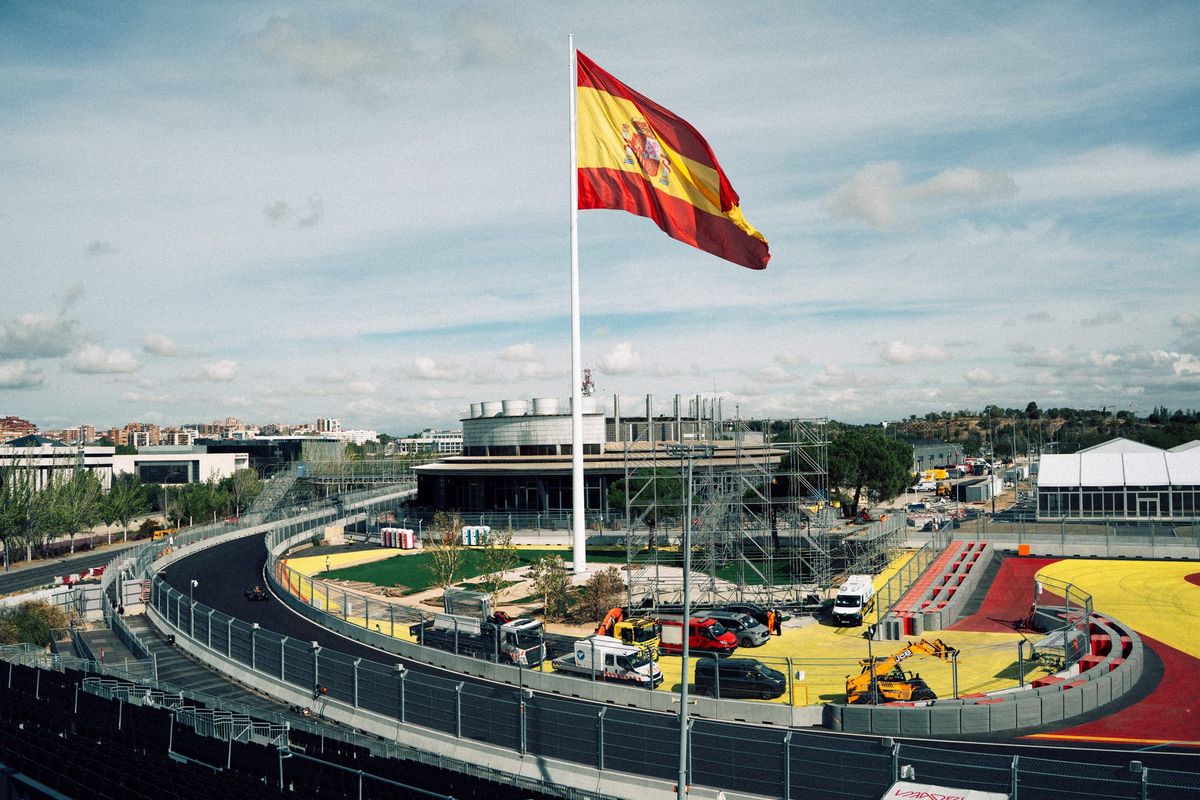
The first time Formula 1 rolls into a new street course, the suits smile, the cameras pan, and the mechanics start counting spare parts. That’s Madrid this weekend. The brand-new Madring is being talked about like a shiny new toy, but the closer you look, the more it looks like a punch in the mouth with curbs.
This place has earned the “car killer” chatter the old-fashioned way: tight walls, little room for forgiveness, and enough trickery to make even a smooth lap feel like a fight with a shopping cart in a wind tunnel. Monaco gets the name-dropping. Macau gets tossed in for the fear factor. Jeddah gets mentioned because speed plus walls is a lousy marriage. Madrid may not be any of those exact beasts, but it’s clearly cut from the same cloth — one where confidence is a currency and a small mistake gets billed back to you in carbon fiber.
A brand-new track with old street-course habits
You don’t need a crystal ball to know what kind of weekend this wants to be. New street circuits usually start by making heroes out of the brave and fools out of the optimistic. The Madring appears to be leaning hard into that tradition. Narrow sections. Close barriers. Corners that reward commitment right up until they don’t.
That’s the danger with a layout like this. Drivers arrive on Thursday talking about challenge and character. By Sunday morning, half the grid is talking about damaged floors, bent suspension, and how a tiny brush with the wall cost them three tenths and a decent grid spot. The first race at a new venue is always part sporting event, part demolition derby for the accountants.
The real issue isn’t just spectacle. It’s operational stress. A track that punishes the slightest misjudgment changes how teams approach every session. Practice becomes survival. Qualifying turns into a test of nerve. And once the race starts, you’re one lockup away from turning a planned strategy into a scrapyard visit.
Why the “car killer” tag matters more than the marketing
A lot of modern F1 promotion tries to sell “challenge” without saying the quiet part out loud: some courses are brutal because they leave drivers nowhere to hide. Madrid sounds like one of those. And if that’s true, good luck to the teams that arrive with fragile confidence and a tight parts inventory.
This matters because F1 is already living with the tension between racing and preservation. Cars are faster, wider, heavier, and more sensitive than they were in the old days, which means a circuit that looks thrilling on a render can become a mechanics’ headache in real life. The bean counters don’t care that the public loves a wall-to-wall lap. They care about transport damage, repair time, and whether a team’s weekend is over before the sun goes down on Friday.
A street circuit can make a champion look ordinary in ten seconds and make a mid-pack team spend the rest of the week in the garage.
There’s also the bigger championship angle. On a track like this, reliability and discipline stop being supporting actors. They move to the front row. Formula 1 already has enough places where a driver can lose the plot and salvage the day on pace alone. Madrid sounds like a venue where once the plot is lost, it stays lost.
The drivers will find out fast who brought the brave setup
Teams love to pretend there’s a perfect setup for a new circuit. Nonsense. There’s a brave setup, a safe setup, and a setup that’s usually too clever by half. Madrid will sort those ideas out in a hurry.
If the surface is unforgiving and the margins are slim, the cars will need compliance over aggression. A platform too stiff will bounce over the bumps and nibble at the tires. Too soft, and the drivers will hate the response in the quick stuff. That’s the sort of compromise that turns engineers into philosophers and pit walls into graveyards of good intentions.
This is where the first-person truth sneaks in. I’ve seen enough first visits to know the first race at a new venue never tells the whole story, but it tells you plenty. The tracks that survive are the ones that make speed feel earned, not manufactured. The ones that don’t? They become cautionary tales with better lighting. I don’t mind a hard circuit. I mind a gimmick dressed up as bravery. If Madrid really is a grinder, fine. Earn it. Don’t fake it.
And if the “car killer” label sticks, the teams that thrive won’t be the flashiest ones. They’ll be the disciplined ones. The crews that keep their heads. The drivers who leave a margin when every instinct says to lean on the throttle and trust the wall to be polite.
What this debut says about F1’s appetite for danger
This whole thing fits the current F1 mood: bigger events, louder promotions, and a constant hunt for spectacle. New venues have to arrive with a bang now. A neat little ribbon of tarmac in a nice part of town doesn’t cut it. The show has to promise punishment.
That’s not automatically bad. Racing should have bite. Fans don’t pay to watch a parade. But there’s a line between demanding and reckless, and street circuits flirt with it all the time. The best ones make precision matter. The sloppy ones just make wreckage.
Madrid will tell us which side it lives on. If the drivers come out praising the rhythm after the dust settles, then maybe the circuit earns its keep. If they come out muttering about damage, chaos, and being trapped with nowhere to go, then the first race at the Madring will have delivered the kind of entertainment nobody in the garage wants to pay for twice.
The opening laps will answer a lot. The repair bills will answer the rest.
More from Straight From The Bench
Comments
Join the conversation — sign in to leave a comment.
Sign in to commentRelated Stories

Patriots Dianna Russini Report: More Backstory Still Coming
Dianna Russini’s next move means the Patriots distraction isn’t done. There’s more story left, and somebody’s still holding the match.

LIV bankruptcy protection: What it means for PGA Tour players
LIV’s financial squeeze could reshape golf’s power map, but for players eyeing a return to the PGA Tour, the gate is not swinging open. The hard part is only beginning.

Patriots vs Seahawks Betting: Edge to the Champs in Rematch
A Super Bowl rematch opens the season with the Seahawks laying only a field goal. That number tells you the market sees value in New England, not just Seattle.