
Mark Cuban, the Mavericks, and the Price of Being Shut Out
 Beatrice Kensington5 min read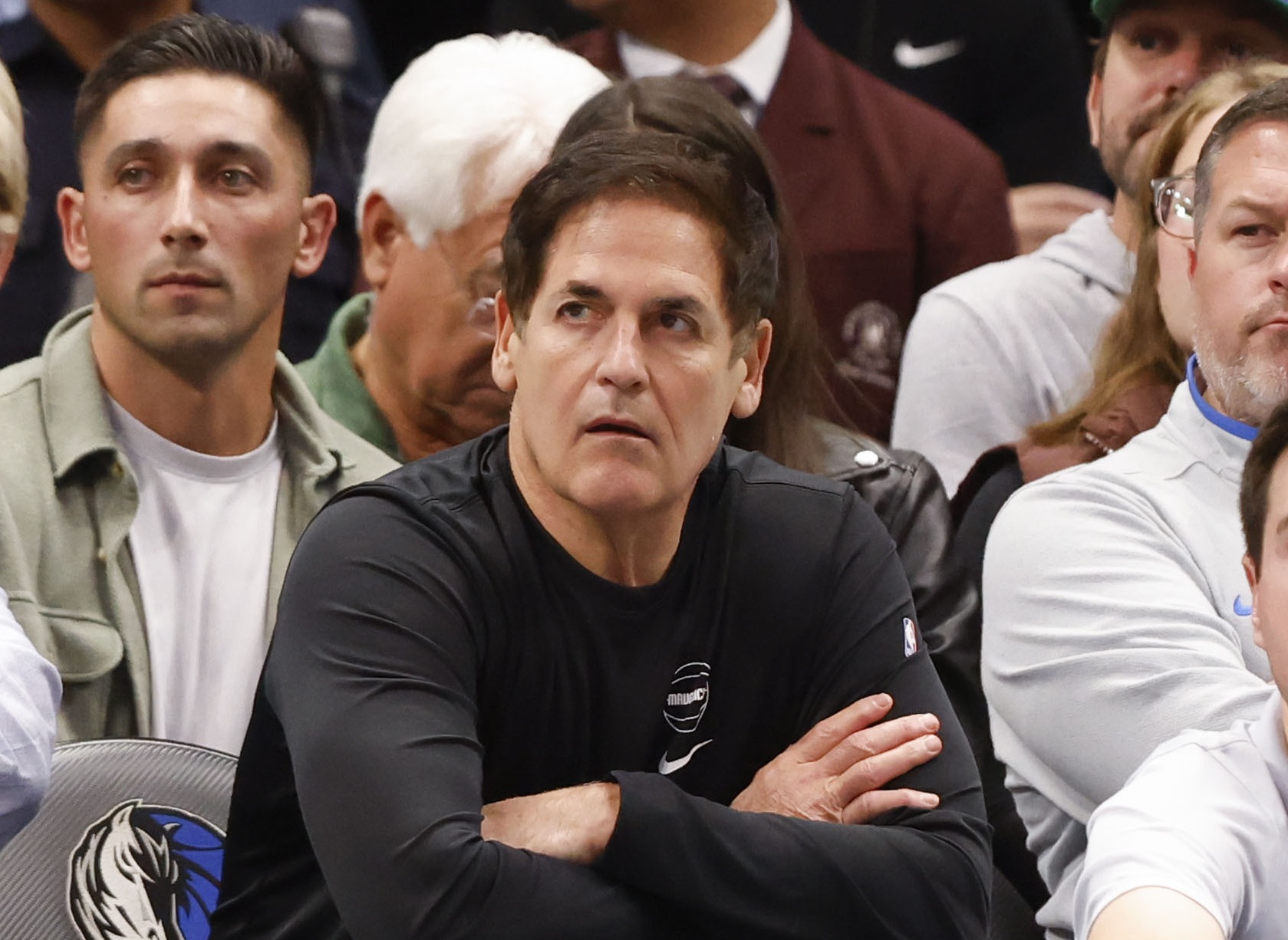
Mark Cuban has spent a quarter-century teaching Dallas to think of basketball as both civic theater and business leverage. Now he is back in court, arguing that the new power structure around the Dallas Mavericks boxed him out of opportunities tied to the team’s sale and to the planned Valley View arena deal, and the dispute lands with the sour ring of a deal gone from partnership to suspicion.
This is not merely a rich-man grievance, though it would be easy to dismiss it that way if the names were smaller and the zip codes less polished. It is a fight over who controls the next chapter of a franchise that has long been welded to the identity of North Texas, and over whether the people who bought the club also bought the right to rewrite the rules after the ink dried.
Valley View is where basketball becomes land, and land becomes leverage
The Valley View arena plan has never been just about a building. It is about a tract of Dallas real estate, the kind of place where a team’s future can be braided together with public approvals, zoning fights, developer alliances and all the quiet promises that make modern sports ownership so much more than wins and losses. When an NBA franchise talks about a new home, it is really talking about a new economic map.
That is why this court fight matters. If Cuban’s claims are even partly borne out, the implications reach beyond old-owner hurt feelings and into the machinery of how franchise sales are negotiated. Buyers want clean control. Sellers want protection for legacy interests, especially when they bring brand cachet, dealmaking relationships and political capital. The Valley View dispute suggests those lines may have been drawn more loosely — or more cynically — than anybody now wants to admit.
The NBA has spent decades letting private equity language wash over public sport, but arenas remain stubbornly civic objects. They sit on land, touch taxes, traffic and neighborhood identity, and they become symbols whether owners like it or not. Once that happens, every side starts claiming the moral high ground. And every side has lawyers.
Cuban’s shadow still hangs over Dallas
Cuban is no longer the owner in the formal sense, yet he is not some retired observer sipping tea in the concourse and applauding from a safe distance. He remains a defining figure in Mavericks life, the kind of presence that can still alter how fans, executives and politicians read a room. That makes this lawsuit or records fight — however it is ultimately framed — a referendum on the boundaries of post-sale power.
The heart of the matter appears to be exclusion: Cuban says he was shut out of business opportunities despite arrangements tied to the transaction. In plain English, he believes he was promised a seat near the table and then found himself standing outside the door while others negotiated the meal. That kind of claim does not merely sting. It threatens the trust that makes future mega-deals possible.
In sports ownership, the handoff is supposed to end one era. This one looks more like a custody battle.
There is also a psychological layer here that matters in Dallas. Cuban was the loud, improvisational steward who made the Mavericks feel alive in public, for better and for worse. The new regime, led by Patrick Dumont and the Adelson family, represents a different species of ownership: quieter, wealthier in the old-fashioned sense, more institutional, less instinctively tethered to the fan’s emotional script. If the sale was meant to feel seamless, this dispute is the jagged seam.
The real fight is over access, trust, and the story of the sale
I have covered enough ownership disputes to know that the paper trail is usually only half the story. The other half lives in the tone of the relationship: who returned calls, who was left waiting, who believed a handshake still carried weight in a room full of boardroom polish. Cuban’s public posture suggests he believes the new owners did not simply change the arrangement; they changed the meaning of it.
That, to me, is the larger stain on this episode. Franchise sales are supposed to produce closure. Fans may groan about the numbers, but they want certainty, a clean line from one era to the next. Instead, Dallas gets the uneasy spectacle of an owner-turned-former-owner asking a court to pry open the files around an arena deal. It signals a business relationship that may have been more fragile than the public branding implied.
And there is a broader lesson here for the league and for other markets chasing shiny new buildings: the expensive part is never just steel and glass. It is the social contract behind the project. A team can sell a new arena as progress, but if the deal is perceived as a private kingdom built on private grievances, the goodwill leaks out of the seams.
What this means for the Mavericks’ next chapter
For Mark Cuban, the fight is about more than money or pride; it is about preserving some measure of relevance in a franchise he helped turn into a Dallas institution. For Dumont and the Adelsons, it is a test of whether their ownership can move forward without constantly being measured against the man who came before them. And for fans, it is a reminder that even beloved teams are governed by contracts, not sentiment.
My own view is simple: these disputes almost always tell you more than the parties intend. They reveal whether a sale was truly an ending or merely a rearrangement of influence. Dallas has not yet gotten a clean answer, and until it does, every new render of a future arena will carry the faint odor of unfinished business.
The Mavericks will keep playing, the lobbyists will keep circling, and the lawyers will keep reading the fine print like it is sacred text. But the emotional ledger is already in motion. And in sports, once trust is spent, it is the hardest currency to refill.
Watch the next filing. Watch the tone from ownership. Watch Dallas itself, because this city has never been shy about asking who really runs the show.
Comments
Join the conversation — sign in to leave a comment.
Sign in to commentRelated Stories

The Lakers Want Kuminga’s Legs — and They’ve Got to Empty the Couch Cushions to Get Them
Los Angeles can chase Jonathan Kuminga, but the math is ugly and the selling job is worse. The Lakers need more than hope to pry him loose.
The Hawks Just Hired a Lobbyist for the Basketball War Room
Atlanta brought in Tim Bontemps, and that says plenty about where the Hawks want to go. This is about sharper decisions, not splashy headlines.
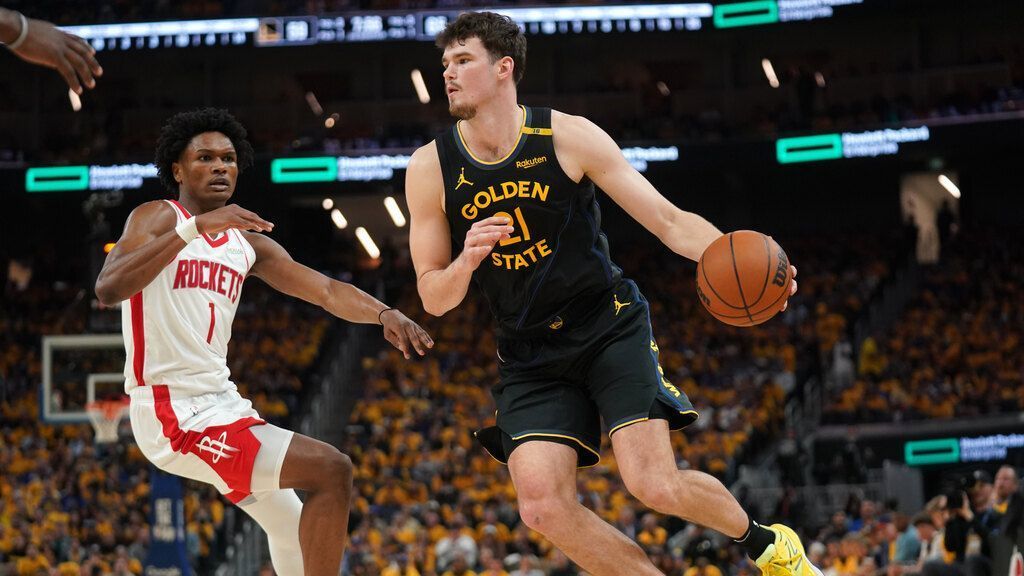
Grizzlies buy low on Quinten Post while Golden State keeps its powder dry
Memphis just found a cost-controlled center bet in Quinten Post. Golden State’s decision not to match says plenty about its cap math and roster priorities.