
Mark Sanchez Stabbing Case: Plea Deal Puts Career in Shadow
A familiar football name, a downtown fight, and the long reach of one night.
 Beatrice Kensington6 min read
Mark Sanchez has spent years trying to outrun the sharpest turn of his football life, but this latest development leaves no room for nostalgic deflection. A former first-round quarterback who once carried the bright, brittle weight of New York’s expectations is now tied to a criminal case over an October 2025 altercation in downtown Indianapolis, with a guilty plea reportedly on the table and the legal details still unresolved in public view. The particulars matter. So does the silence around them.
What we know is enough to understand the gravity: Sanchez, now known to many fans as much for his work in the booth as for the chaos that often seemed to follow him as a player, has agreed to plead guilty in connection with the incident, according to multiple reports. What remains unclear is the exact charge or charges involved. That uncertainty leaves a gap, and legal gaps tend to invite both speculation and overreach. Neither serves anyone well.
A football life that never quite stopped carrying weight
Sanchez was never just another quarterback. He was the Jets’ selected future, the smiling face of an organization that once believed it had found order in a position famous for swallowing men whole. In New York, the city does not merely watch its quarterbacks; it measures them, teases them, and eventually tests them against a kind of civic weather. Sanchez felt all of it. He lived through the promises, the AFC Championship runs, the collapse, the jokes, the postscript.
That’s why this story lands harder than a standard celebrity legal matter. It is not only about what happened in Indianapolis. It is about how public figures whose identities were built under stadium lights keep finding old expectations trailing them into private life. Football has a way of leaving fingerprints long after the final snap. Sanchez’s name still arrives with its own baggage, and now that baggage has grown heavier.
For a reminder of how quickly reputations can fracture in the sport’s unforgiving ecosystem, the recent Mike Vrabel report showed how even a far more routine football dispute can become a public referendum on character and control. Sanchez’s case is different in kind, but not in what it reveals: in this business, the line between a football identity and a public one is often thinner than people admit.
The legal cloud is the story now, not the old highlight reel
The temptation with an ex-player like Sanchez is to reach for old footage — the swagger, the playoff runs, the hard-edged charisma, the moments that made him a national figure before the league eventually moved on. But that nostalgia is a trap. The present tense here is legal, not athletic. A plea deal, even before every filing is public and every charge is spelled out, usually signals the kind of endpoint that makes a courtroom feel less like a stage and more like a ledger.
Indianapolis is no backdrop detail either. It is a football city, one that knows its way around the rituals of the sport and the machinery around it. For a former NFL quarterback to become the subject of a criminal case in that setting adds another layer of public discomfort. The town that hosts the combine and lives inside the league’s orbit has seen its share of football men treated like visiting royalty. This is the opposite of that.
The hard truth is this: fame does not shrink accountability; it amplifies the echo.
There will be those who try to fold this into a familiar sports scandal script, the kind that shrugs and says everyone has a bad night. That response is too convenient. Whatever happened in that downtown altercation, the consequences extend beyond embarrassment or bad optics. They touch employment, credibility, and the strange afterlife of athletic celebrity.
Fox, the broadcast booth, and the cost of public trust
Sanchez’s second act mattered because it suggested reinvention. Plenty of former players struggle to find a lane after football. He found one in television, where the job asks for poise, clarity, and the ability to sound grounded even when the sport itself is anything but. For broadcasters, trust is the real currency. Audiences may disagree with an opinion, but they still want to believe the voice delivering it understands the gravity of the room.
A plea in a criminal case does not erase a broadcasting career, but it bends the conversation around it. Networks hate ambiguity when the subject is one of their on-air faces. Viewers are equally unforgiving. The analysis booth depends on a kind of seamless authority, and this story introduces friction where the business prefers polish.
That is why this feels bigger than one former quarterback’s night gone wrong. It touches the modern NFL’s media ecosystem, where ex-players are not just commentators but brand extensions of the league’s image. The shield reaches into studio programming, halftime segments, and the polished language that helps football present itself as entertainment rather than brute collision. When one of those voices is pulled into a criminal matter, the illusion of distance disappears.
I keep thinking about how sports fame ages in America. We are quick to canonize it, quicker still to turn it into irony, and almost never prepared for the quiet wreckage that comes once the cheers stop. Sanchez, more than many quarterbacks of his generation, has lived in that awkward middle ground between remembered promise and public skepticism. This case does not create that tension. It exposes it.
What to watch next as the case moves forward
The immediate question is procedural: what exact charges will be attached to the plea, and what does the court filing say about the terms? That will shape everything from sentencing exposure to public fallout. The next question is professional. If Sanchez remains in a media role, how do network executives handle the optics? If he steps away, is that voluntary or simply the pressure of the moment doing its work?
There is also the broader issue of how football, as an industry, responds when one of its familiar faces slips from commentary into criminal court. The sport is excellent at celebrating redemption arcs when they are clean and emotionally convenient. It is less graceful when the story is messier, especially when the person involved once wore the burden of quarterback stardom and later became part of the game’s media furniture.
For fans tracking the wider NFL conversation, the collision of football identity and public scrutiny is hardly new. The league sells legend and demands discipline in the same breath. Sanchez’s case is a reminder that the second part is never a footnote.
The plea will not settle the larger judgment. That comes later, in the way the public remembers a quarterback who once had the city behind him and now has the law in front of him. And that is a very different kind of pressure.
The next filing will tell us more. The damage, though, is already doing its quiet work.
More from Straight From The Bench
Comments
Join the conversation — sign in to leave a comment.
Sign in to commentRelated Stories
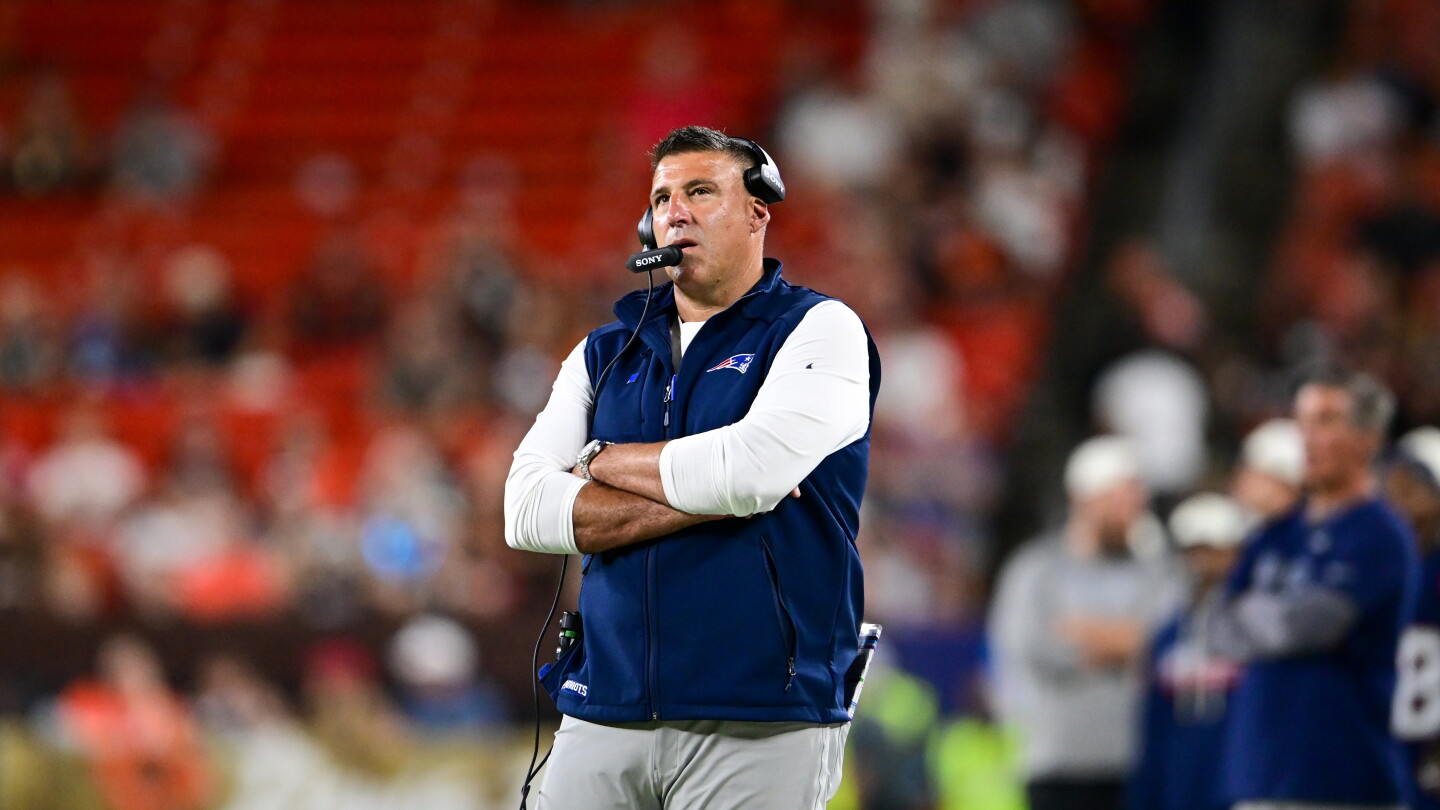
Mike Vrabel Report: Patriots Coach Shrugs Off Dianna Russini
Mike Vrabel brushed off the latest Dianna Russini report, and the real issue is how quickly the Patriots’ business keeps bleeding into the gossip mill. That’s the price of life in Foxborough now.
Fantasy Football Draft Strategy 2026: Final Weekend Advice
Draft season is in the final stretch, and the edge now lives in small adjustments. The names matter, but the room you’re in matters more.

Browns Assistant GM Catherine Hickman Viral Sweatshirt: Why It Matters
Catherine Hickman’s sideline-casual look lit up the internet, but the real story is her rise inside a franchise still searching for steadier footing.