
Markham IndyCar Race Delay: Promoter Faces Street Circuit Pressure
The dream of a Canadian street race is still alive, but the clock is doing the loudest talking.
 Beatrice Kensington6 min read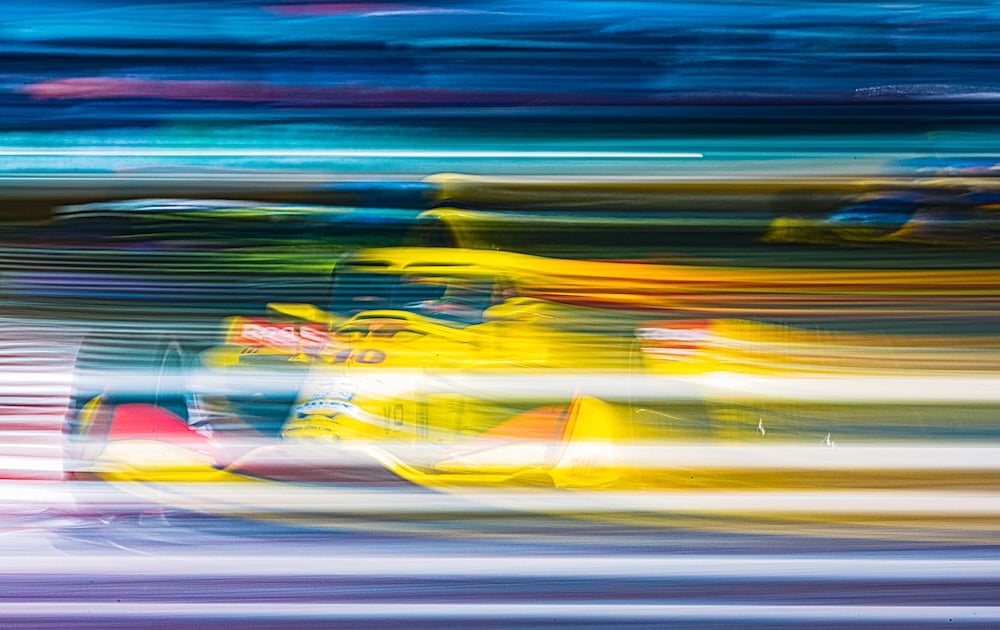
The first impression a new street circuit makes is supposed to be all sharp edges and pageantry: concrete barriers lined up like a promise, grandstands rising where ordinary traffic once rolled, the quiet hum before the field comes blasting through at speed. In Markham, that picture is still being assembled, piece by piece, and the missing pieces are beginning to matter.
The inaugural IndyCar race in greater Toronto is facing significant delays, with the promoter working to finish bridges, fencing and timing infrastructure before the cars ever arrive. This is the kind of problem that can turn a celebration into a stress test. A street race is not built in the abstract. It is built in public, under deadlines, with weather, permits, logistics and municipal patience all taking turns at the wheel.
A race that has to be made, not merely scheduled
There is a romantic version of a first-year event like this one. You picture a city skyline, a temporary circuit cutting through fresh asphalt, and a local crowd discovering a new summer tradition. But that fantasy only survives if the scaffolding disappears on time. Bridges have to be finished. Fencing has to stand where it should. Timing equipment has to function with surgical precision, because motorsport tolerates very little improvisation once the green flag is in view.
This is why delays around a street course carry such weight. An oval can absorb a missed deadline in a way a downtown ribbon of road never can. A street course is a temporary city within the city, and every unfinished segment is a reminder that the event’s credibility is only as solid as the last piece of chain-link and the last cable run.
The tension here is not just operational; it is reputational. Promoters do not merely sell tickets. They sell confidence. They sell the idea that a local government, a sanctioning body and a private organizer can cooperate long enough to deliver something ambitious and clean. When the machinery stutters this close to opening day, the public starts asking whether the vision outran the calendar.
Markham, Toronto and the business of proving a market
The greater Toronto area has long looked like a natural fit for top-level open-wheel racing. It is large, affluent, diverse and sports-savvy, with a motorsports audience that already understands speed as spectacle. Toronto itself has hosted IndyCar street racing for years, and the broader appetite for the sport in the region is not the question. Execution is.
That is what makes this delay more than a construction update. It is a reminder that motorsport expansion is often less about demand than about friction. The sport’s healthiest growth comes when a promoter can prove that a new venue is not just desirable, but deliverable. Cities do not sign up for chaos. Sponsors do not buy into uncertainty. Fans may forgive a lot, but they remember inconvenience, and they rarely forget when a launch feels undercooked.
Markham’s pitch has always depended on optimism with concrete underneath it. A debut street race can become a civic calling card, the sort of annual event that drags a place into the sporting conversation in one weekend. Or it can become the sort of cautionary tale that makes city councils suspicious the next time a promoter arrives with drawings and grand language.
A first race is not judged on ambition alone; it is judged on whether the barriers are standing when the engines wake up.
The promoter’s credibility is now part of the track layout
Green Savoree Race Promotions has done this dance before, and that matters. Experience buys a little grace. It does not buy extra hours. The practical burden now is simple to describe and hard to solve: get the circuit complete, get the timing system ready, and make certain the temporary venue meets the demands of a modern IndyCar Series event.
The invisible parts are often the hardest. Fans see fencing and bridges. Teams see safety protocols, access points, signal integrity and race-day flow. If one of those gears slips, the whole machine can grind. The sport’s recent history is full of temporary circuits that have dazzled once the engines started, but that first hour before the grand prix-style pageantry arrives is where confidence is earned or squandered.
This is why I keep coming back to the same thought: the most important lap in a debut event is usually taken by the people in hard hats, not the drivers in helmets. If those crews can pull this off, the race becomes a story about momentum and legitimacy. If they cannot, the discussion changes immediately, and no amount of fast lap times will clean it up.
I have always believed new street races are a little like public architecture with an expiration date. They are a test of a city’s will, but also a test of its temperament. A place that can host one well can often host many things well. A place that stumbles in the setup phase is telling you something about how it handles pressure when the lights are brightest. Markham now has to answer that question before the first engine fires.
What this means for IndyCar’s Canadian ambitions
There is a broader significance here beyond one delayed project. IndyCar has spent years searching for ways to broaden its footprint without losing the intimacy that makes street and road courses feel alive. Canada remains important to that mission. A successful Markham event would have added another anchor in a market with genuine motorsport reach, and it would have helped reinforce the sport’s northern identity at a time when every series is hunting for fresh urban energy.
This also intersects with the calendar in a very practical way. A first-year event arrives carrying more scrutiny than an established one. Teams approach it with curiosity. Fans approach it with hope. Local officials approach it with caution. Any delay magnifies all three reactions at once. That is how a temporary construction problem becomes a narrative problem, then a business problem.
For now, the race still exists. That matters. So does the fact that the promoter is in the uncomfortable middle ground between promise and delivery, where every hour looks shorter than the last. The next few days will tell us whether this becomes a mere footnote in a debut weekend or the first chapter in a longer battle over whether Markham can host the kind of event it says it wants.
The track may still open. But the margin for error has nearly vanished.
More from Straight From The Bench
Comments
Join the conversation — sign in to leave a comment.
Sign in to commentRelated Stories
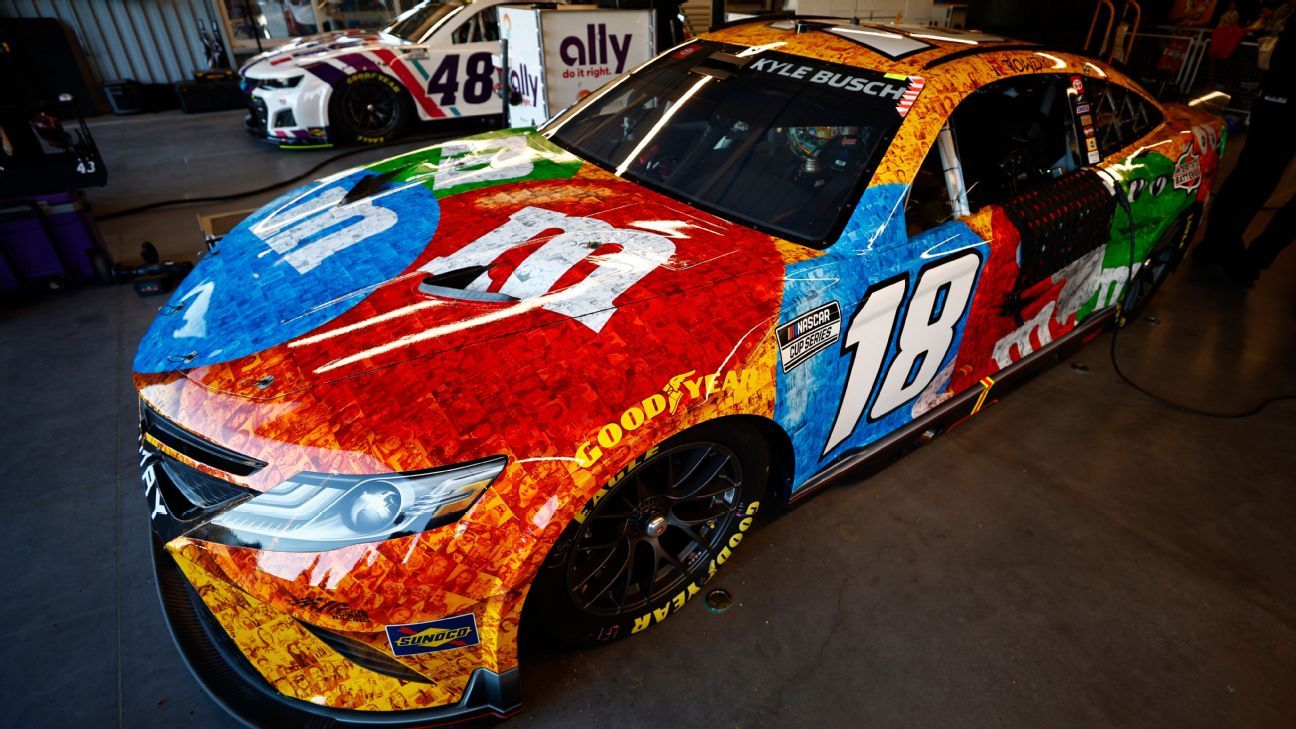
Ty Gibbs Bristol M&M's Car: Honoring Kyle Busch the Right Way
Ty Gibbs is set to roll Bristol in an M&M's scheme honoring Kyle Busch, and that little bit of color carries a heavier load than most sponsor paint ever does.
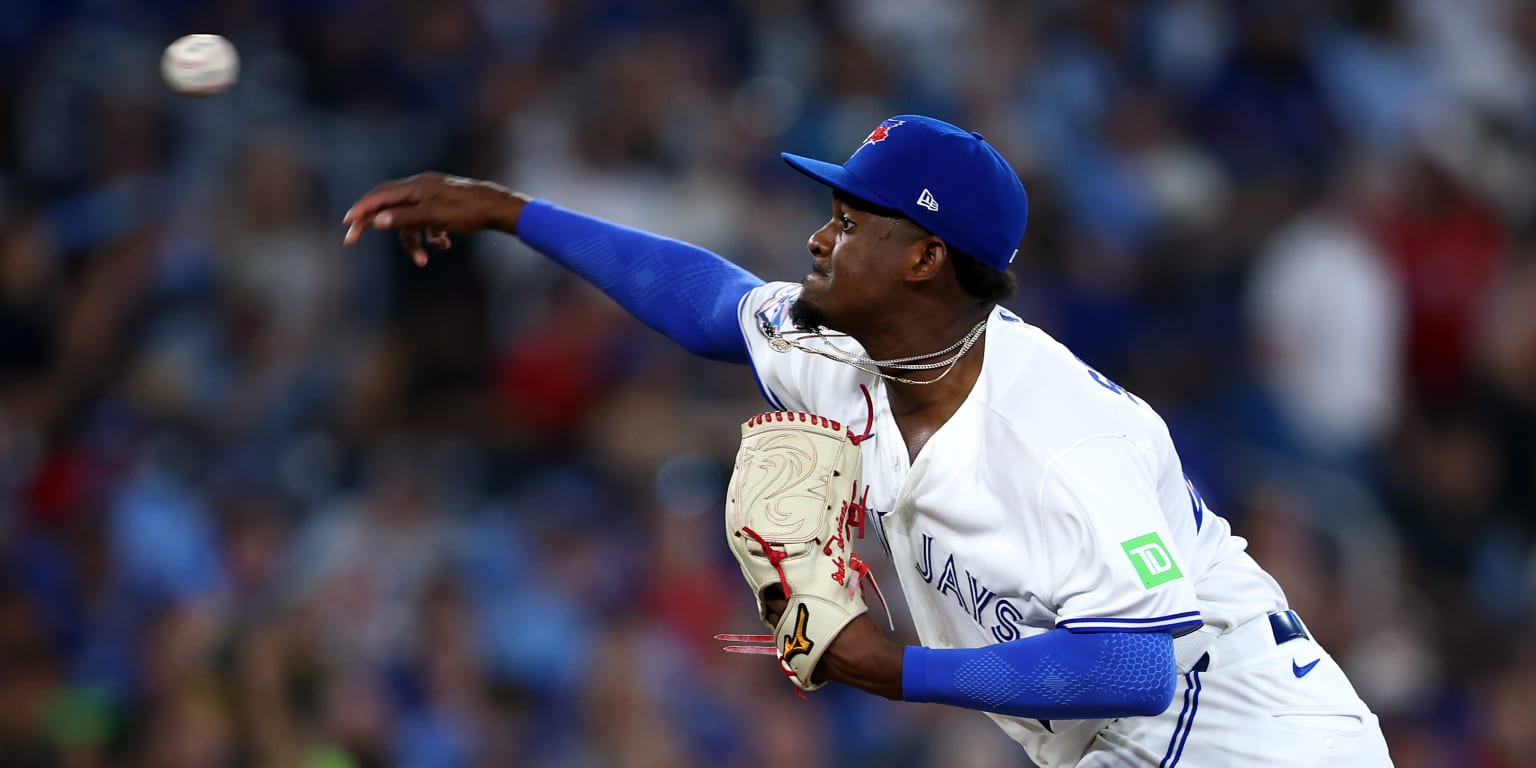
Blue Jays vs Red Sox: Eighth-Inning Rally Stuns Boston Again
The Blue Jays beat the Red Sox 6-4 with another stubborn, late grind and a stellar home debut from Soriano. Toronto didn’t flinch when the game got messy.

Cadillac Formula 1 Team Principal: Budkowski takes over
Cadillac has put Marcin Budkowski in charge, replacing Graeme Lowdon as the team keeps building toward its F1 debut. The move says plenty about how serious this project is getting.