
Mavericks and Stars Legal Settlement: Dallas Sports Truce
Two franchises, one building, and a hard lesson in civic marriage.
 Beatrice Kensington5 min read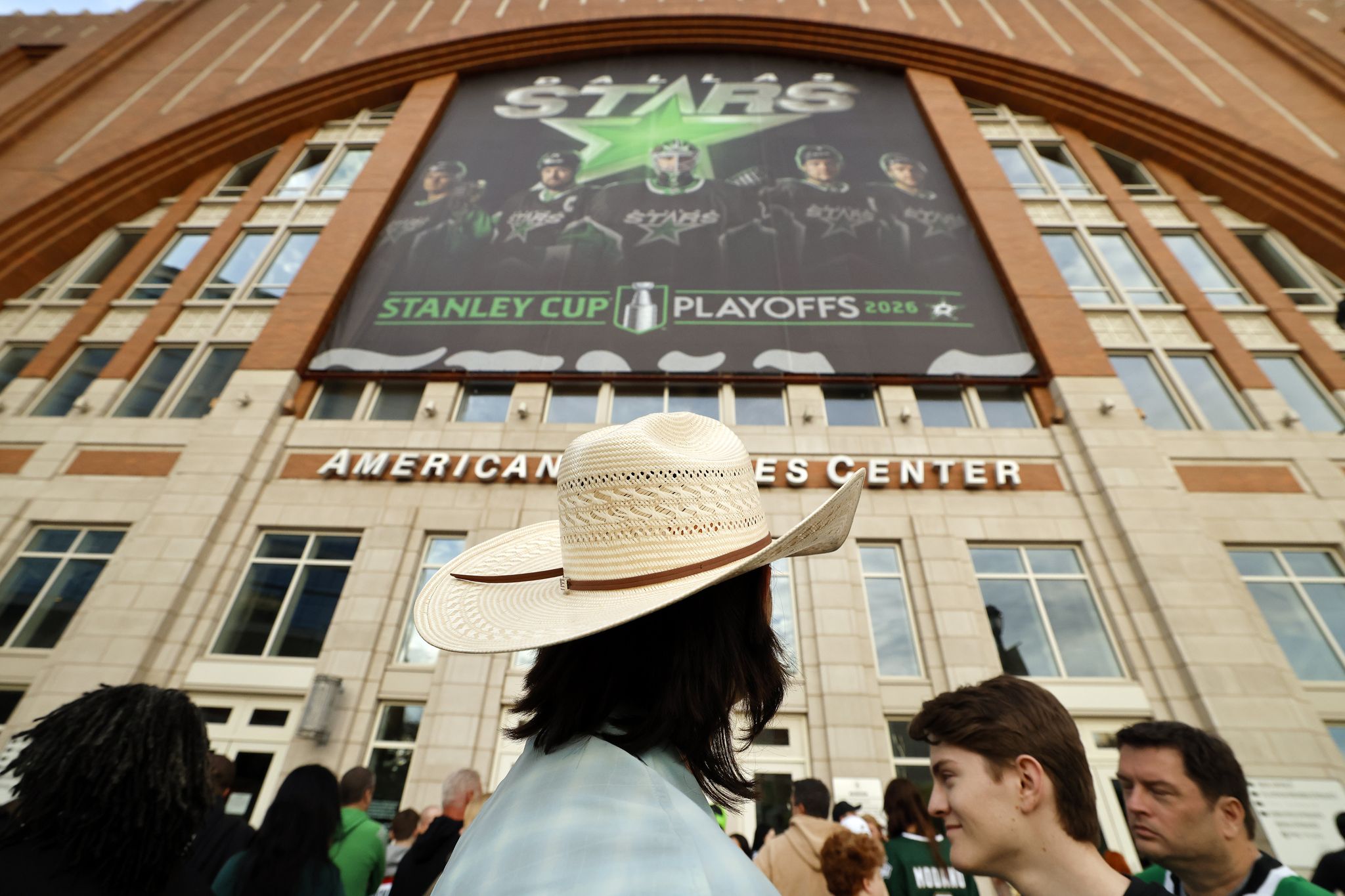
A Dallas feud that reached too far
For a city that likes its sports served with swagger, the dispute between the Mavericks and the Stars carried an unpretty smell: business mistrust turning public, then legal, then personal enough to sour the atmosphere around American Airlines Center. What has now been resolved was never just paperwork. It was a rupture between two franchises that have long been asked to coexist under one roof and, in the simplest possible terms, act like neighbors even when they are competing for the same dates, the same premium seats, the same civic oxygen.
The settlement matters because these arrangements are always more delicate than the glossy arena tours suggest. Shared buildings are built on compromise. Shared buildings are built on restraint. When that breaks down, every grievance echoes louder than it ought to. A yearlong strain that finally spilled into a lawsuit last October was not merely a fight over legal rights; it was a public reminder that even major-league brands can behave like feuding co-owners in a family business.
In a sports city, peace in the building is not decoration. It is infrastructure.
Why this fight got so ugly
The specific legal claims may recede now that the matter has been settled, but the deeper issue lingers: the modern sports franchise is not only a team, it is a revenue machine, a landlord’s tenant, a media property, a civic emblem, and sometimes a wounded ego in a tailored suit. When those identities collide, the conflict can move from private annoyance to institutional dysfunction with astonishing speed.
That is why this Dallas episode felt bigger than an ordinary contractual dispute. The Dallas Mavericks and Dallas Stars are not strangers passing in the night. They are the two flagships of one downtown venue, each with a devoted base, each with its own season, each with a claim on the city’s attention. When relations deteriorate between them, the damage is not limited to lawyers’ bills. It touches fan experience, building operations, scheduling harmony, and the image Dallas projects to the broader sports world.
That image matters. Cities spend decades convincing leagues, sponsors, and taxpayers that they can be trusted stewards of major events. Internal brawls do not help.
The fan in line outside the arena saw the real stake
There is a reason the image of a Stars supporter waiting outside the arena before a playoff game lingers. Not because it is remarkable for a fan to queue up for hockey, but because it captures the stubborn ordinary life of sports amid executive conflict. Logan Anthoney of Rockwall was there for the game, not the litigation, not the posture, not the corporate pride. He came to watch the Stars face the Minnesota Wild, and that is the part too many front-office battles forget: the audience remains, whether the adults in the room are behaving or not.
That tension is the whole story. Teams can sue each other, trade press releases, draw battle lines and dust off legal language dense enough to stain a conference room carpet. Fans still show up in jerseys. They still buy parking. They still arrange their evenings around a power play or a late-game run. Sports businesses sometimes mistake that loyalty for insulation. It is not. It is merely patience, and patience can be spent.
The settlement, then, is less a triumphant ending than a necessary repair. Dallas does not need another self-inflicted wound around one of its showpiece venues. It needs stability, the unglamorous sort that keeps the lights on and the calendar working.
What this says about Dallas sports politics
I’ve long believed that cities reveal their sports priorities not in championship parades but in how they handle shared inconvenience. The hard truth is that no major sports market is immune to turf wars, parking wars, scheduling wars, or the quiet resentment that builds when one franchise believes another is being favored. Dallas has now had a public reminder that even successful, established organizations can let institutional pride outrun common sense.
And the timing is revealing. With the NHL season demanding its usual winter grind and the Mavericks forever measured by every season as if it were a referendum on ambition, both teams need the building to feel settled, even if the basketball roster and the hockey roster live different emotional lives. A courtroom battle over the joint home of two major franchises is the sort of distraction that makes a city look smaller than it is.
My read is simple: this settlement is good not because it makes anybody friends again, but because it allows Dallas to stop performing its disunity in public. There is value in that. There is value in boring competence. The most expensive buildings in sports are often the ones where cooperation is least visible and most essential. Once that cooperation starts cracking, everyone notices, even the fans in line with tickets in hand.
The larger lesson for shared arenas
Shared ownership structures can work beautifully. They can also become breeding grounds for suspicion if the relationship is left to harden around old slights. This is the modern arena dilemma: the building is supposed to be a cathedral of community, yet it is often a maze of contracts, priorities, and competing claims to prime dates and prime attention. The public sees the ribbon-cutting. It rarely sees the resentment that can bloom behind the suites.
Dallas has now been reminded that a venue is not a neutral object. It is a political organism. It absorbs trust or suspicion, cooperation or warfare. The best-run sports complexes operate like well-tuned orchestras. The worst feel like two bands trying to rehearse in the same room.
For the Mavericks and Stars, the practical task now is to behave as if the settlement is the starting line, not the finish. Fans will not care about the legal peace unless it produces operational peace. The city will not care unless it keeps the arena humming and the headlines mercifully dull.
And dull can be a blessing.
Dallas has had enough drama inside the walls. Now comes the work of making the walls disappear again, the way good sports buildings do when nobody is fighting over them.
More from Straight From The Bench
Comments
Join the conversation — sign in to leave a comment.
Sign in to commentRelated Stories

Little League World Series 2026 Teams: Williamsport Bracket Set
The 2026 Williamsport bracket is set, and the field is packed with usual suspects, surprise entrants, and a few teams built to make noise. In Little League, one hot week can turn a neighborhood into b
.png?w=1120&h=630)
Little League World Series 2026 Bracket: Dates, Teams, TV Schedule
The road back to Williamsport is set, and the 2026 Little League World Series will again turn August into a month-long pressure cooker. ESPN, ABC and the whole country get a front-row seat.
Fever vs Dream: Indiana Grabs OT Win With Playoff Stakes Rising
Indiana walked out of Atlanta with a 95-91 overtime win that could matter far beyond one Sunday. The Fever made the plays that usually decide playoff races.