
Max Verstappen Yellow Flag Verdict: No Grid Penalty in Singapore
A close call in the glare of Marina Bay, and a reminder that milliseconds still carry moral weight.
 Beatrice Kensington5 min read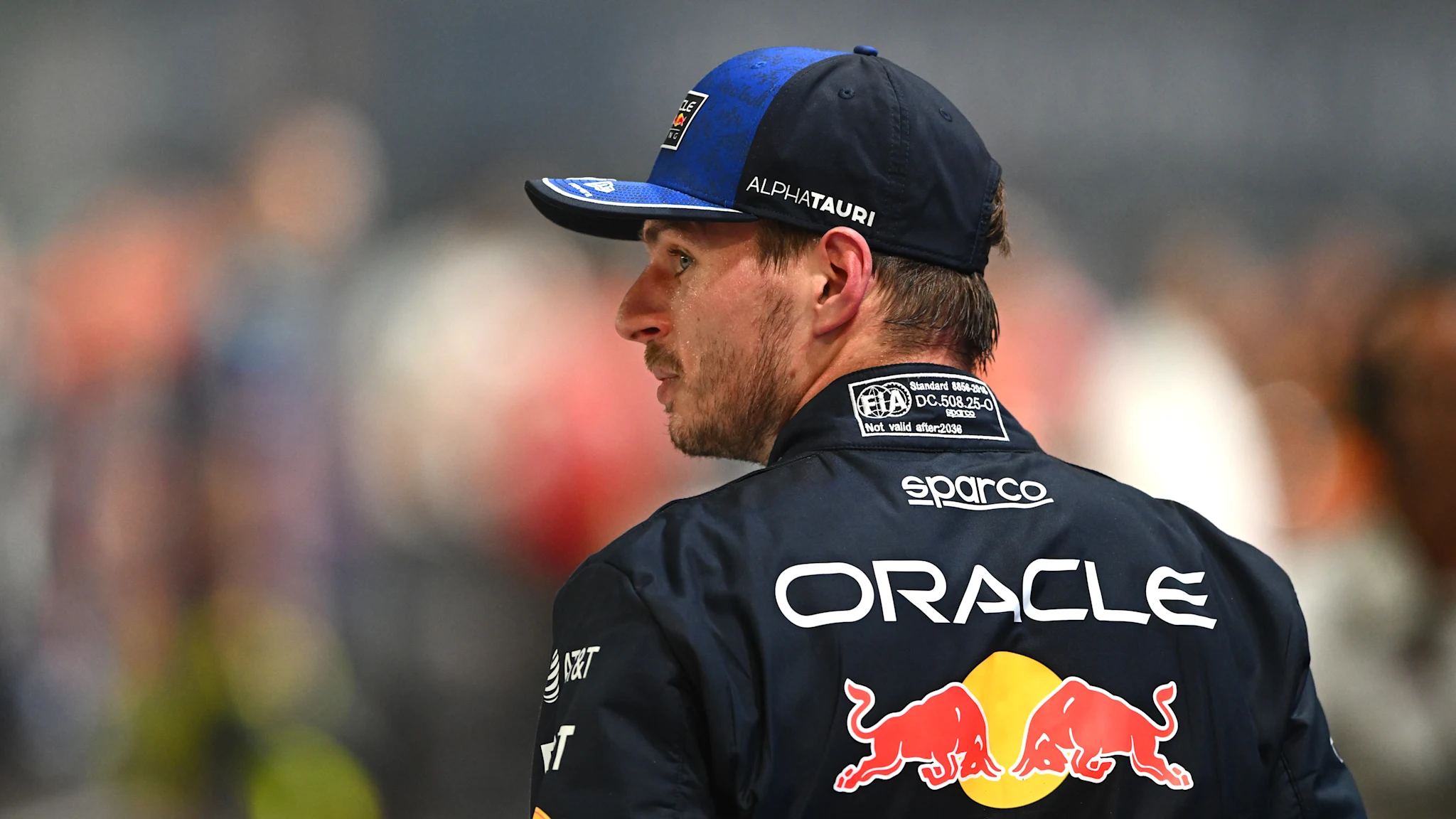
Singapore’s small mercy, and a large relief
Singapore has a way of turning the smallest error into a public trial. Under the floodlights at Marina Bay Street Circuit, with barriers close enough to make the air feel narrow, Max Verstappen found himself under scrutiny for a yellow-flag moment in Sprint Qualifying. The stewards examined the incident, decided he had breached the rule by overtaking Lewis Hamilton in the yellow-flag zone, and still stopped short of handing down the sort of grid penalty that can turn a weekend sideways.
That distinction matters. In Formula 1, the line between a warning and a punishment is often the difference between an acceptable risk and a self-inflicted wound. Verstappen has avoided the latter, and with it the kind of Saturday morning headache that can haunt a team all the way into race day.
Why the stewards drew the line where they did
This was not a case of the officials shrugging and moving on. They determined the overtake happened under yellow conditions, which is the sort of finding that tends to carry more tension than drama. The key, though, is that they were satisfied the move was an unfortunate consequence of the sequence rather than the sort of deliberate disregard that invites a harsher sanction.
That nuance is classic Formula 1. The sport lives in the fine print: intent, visibility, timing, signal boards, driver reaction, track position. The regulations are written in hard ink, but their enforcement often depends on soft-edged judgment. And judgment, especially in a place like Singapore, is never just about the incident. It is about setting a standard for everyone else who might be tempted to exploit chaos by a fraction of a second.
For Verstappen and Red Bull Racing, the ruling preserves both track position and emotional momentum. No penalty means no reshuffling of the grid, no forced recovery drive, no gift handed to rivals already hunting for daylight in a compressed weekend format. In a sprint event, where every session feels like it is sprinting ahead of itself, that is no small thing.
What this means for the sprint and beyond
Sprint weekends compress the old comforts of Formula 1. There is less room to settle, less room to correct, and far less room to hide. One regulatory sting can echo through qualifying, strategy, and race trim. By escaping a penalty, Verstappen keeps his options open for the sprint and avoids making Singapore harder than it already is.
That matters to the field as much as it matters to him. Rivals do not need a formal penalty to feel encouraged by a stewarding review; they need only the hint that the championship leader can be reached by pressure and precision. Singapore, with its bruising walls and high-stakes corners, is built for exactly that kind of psychological warfare.
The ruling also reminds us that the margins in modern F1 are not merely mechanical. They are bureaucratic, procedural, human. The best cars still rely on an ecosystem of decisions made in real time by officials, race engineers, and drivers who are trying to read a city circuit like a street map drawn in adrenaline.
In Singapore, a yellow flag is never just a warning; it is a test of nerve, discipline, and who blinks first.
Beatrice Kensington: the cost of brushing the paint
I have long believed that the most revealing F1 incidents are not the flamboyant ones. No smoke, no wreckage, no triumphant radio message from a driver who has just stolen a win at the last corner. The revealing moments are quieter than that. A yellow flag ignored by inches. A stewarding note that everyone pretends is administrative until it isn’t. A driver who insists he was merely caught in the stream of events, while the sport asks whether the stream itself was chosen.
Verstappen has built a career on being the man who almost never gives the officials a clean opening. That is part of why he is so formidable, and part of why every borderline moment around him acquires a heavier atmosphere than it might for someone else. Champions do not simply race; they define the pressure field around the rules.
This one will likely be remembered less for the verdict than for what it reveals about the current pecking order. The paddock is so close, the consequences so immediate, that even a surviving investigation can feel like a warning flare. And if you are Ferrari, Mercedes, or anyone else still trying to pry open Red Bull’s grip, any sign of vulnerability in the champion is worth studying with a jeweler’s lens.
The bigger Singapore lesson
What should linger after the paperwork is simple enough: the rules still matter, even when the punishment does not arrive. Singapore has always been a race that exposes the strip of daylight between composure and error. The stewards saw enough to acknowledge the breach, but not enough to ruin Verstappen’s weekend. That balance is what keeps this sport from tipping into theater.
For now, the champion keeps his place, his clean slate, and his chance to turn a fraught episode into a footnote. But Singapore rarely allows anyone to leave unchanged. The walls have a long memory.
Watch the sprint closely. The race never really ends here; it only changes shape.
More from Straight From The Bench
Comments
Join the conversation — sign in to leave a comment.
Sign in to commentRelated Stories

F1 Singapore GP Sprint Qualifying: Ferrari, Red Bull and the street-track squeeze
Sprint qualifying at Marina Bay did exactly what this place always does: punish hesitation, amplify braking problems, and make every tiny mistake expensive.

F1 Singapore GP: George Russell Tops FP1, Verstappen Paces Medium Tyres
Russell led the only Singapore practice session, but Verstappen’s medium-tyre pace hinted at the deeper hierarchy beneath the timesheet.

Ja’Marr Chase Concussion Update: Friday Practice Raises Hope
Ja’Marr Chase getting back on the practice field Friday matters far beyond one injury report. For the Bengals, it is the difference between optimism and damage control.