
Messi, VAR and the Old Suspicion Hanging Over World Cup Nights
 Leo Lupo5 min read
Argentina won the match, and somehow that was not the loudest thing leaving the stadium. A VAR decision, another pile of suspicion, and the old World Cup stink of power politics all landed on top of Lionel Messi’s side like wet cement. Egypt had their hearts cracked, Argentina got to keep moving, and the whole thing left people doing what they always do when the big stages start wobbling: squinting at the badge on the shirt and wondering who really gets the breaks.
The whistle blew, then the arguing started
This is the problem with tournament soccer when the margins get thin and the cameras get close. Every call becomes a referendum. Every decision is treated like evidence. In this case, the result did not settle the matter. It sharpened it.
Argentina surviving and Egypt going home hurt is one thing. The bigger issue is the sense that legitimacy itself is under review. That is poison for a tournament. Supporters can live with a bad bounce. They can even live with a referee having a rough night. What they cannot stand is the feeling that the machinery is tilted before the ball is even kicked.
And once that feeling takes root, it spreads fast. It spreads through the stands, across television desks, and into every discussion about whether the right people are being protected and the wrong people are being pushed aside. Football has always been a game of sharp elbows and softer excuses, but the modern version has one extra burden: the replay booth. Once you promise fairness with technology, every contested decision becomes a case study.
Messi’s shadow makes every call bigger
Argentina are not just any team. Put Argentina on the board and the room changes. Put Messi in the frame and the room changes again. He is the kind of player who bends attention around him whether he wants it or not. If he is involved in a disputed match, the noise doubles. If Argentina advance under controversy, the noise triples.
That’s not because Messi writes the checks or controls the officiating. He doesn’t. But he plays under the heaviest spotlight in the sport, and that spotlight catches every stain. He is both the reason a tournament sells and the reason people are quickest to suspect the tournament has been arranged to protect the most marketable face in it. Fair or not, that is the life of a global icon.
Egypt, meanwhile, gets stuck in the harshest place in international sport: the role of the aggrieved outsider. That’s where federations and lesser powers always end up when a giant survives a close call. The bigger name gets to keep writing the story. The smaller one gets a paragraph and a bruise.
FIFA keeps asking for trust it has not earned
The broader mess here is not just one officiating decision. It is the institution around it. FIFA has spent decades asking fans to trust the process while spending just as much time proving why that trust is hard to give. The organization’s public face changes. The suits change. The speeches change. The suspicion stays right where it was.
In soccer, the scoreboard settles the match. In World Cup politics, it only starts the argument.
That line holds because the World Cup has never been just a sporting event. It is commerce, diplomacy, prestige, and theater jammed into the same room. That means every controversial call gets dragged through bigger questions: who has influence, who gets favored, who gets heard, and who gets told to calm down and accept the result.
I’ve seen enough of these tournaments to know the script. A host gets praised, then scrutinized. A giant gets a call, then a cloud of doubt. The governing body insists everything is above board, which is usually what makes people wonder whether it is. The game itself should be simple. Two teams, one ball, one referee, and maybe a machine to keep the worst mistakes from wrecking the night. But the minute the machine becomes part of the argument, the whole bargain gets shakier.
Egypt leaves with a grievance, and that matters beyond one match
For Egypt, this is not just about one bad break. It is about what teams from outside the traditional power circle believe they are fighting. If a side like Egypt feels it has to beat the opponent, the officials, and the institution all in one evening, then the competition is already in trouble. That kind of resentment does not stay bottled up. It travels.
And make no mistake, the sport is watching. Coaches will talk about focus and discipline. Players will say the same. Privately, they will all be asking the same blunt question: how much room is there really for an underdog when the spotlight belongs to the heavyweight?
That is the ugly little truth of tournaments. The favorite is supposed to survive pressure. The outsider is supposed to prove it belongs. But when the calls start drawing more attention than the play, everybody loses something. The winner gets tainted. The loser gets robbed of a clean ending.
My own read? This is where football keeps tripping over its own fancy shoes. The sport wants the global stage, the global money, the global audience. Fine. Then it has to accept global scrutiny that bites harder than a polite post-match note. You cannot sell holiness and then act offended when people notice the cracks.
Argentina may march on. Messi may keep dazzling. That does not erase the smell hanging over the result. It just means the next whistle will be heard a little louder, and a lot less kindly.
Comments
Join the conversation — sign in to leave a comment.
Sign in to commentRelated Stories

Switzerland Stun Colombia, Now Comes Argentina and the Heavy Lift
The Swiss survived the nerves and the penalty spot, and now they get Argentina. That’s the kind of reward that comes with a hard-earned win.
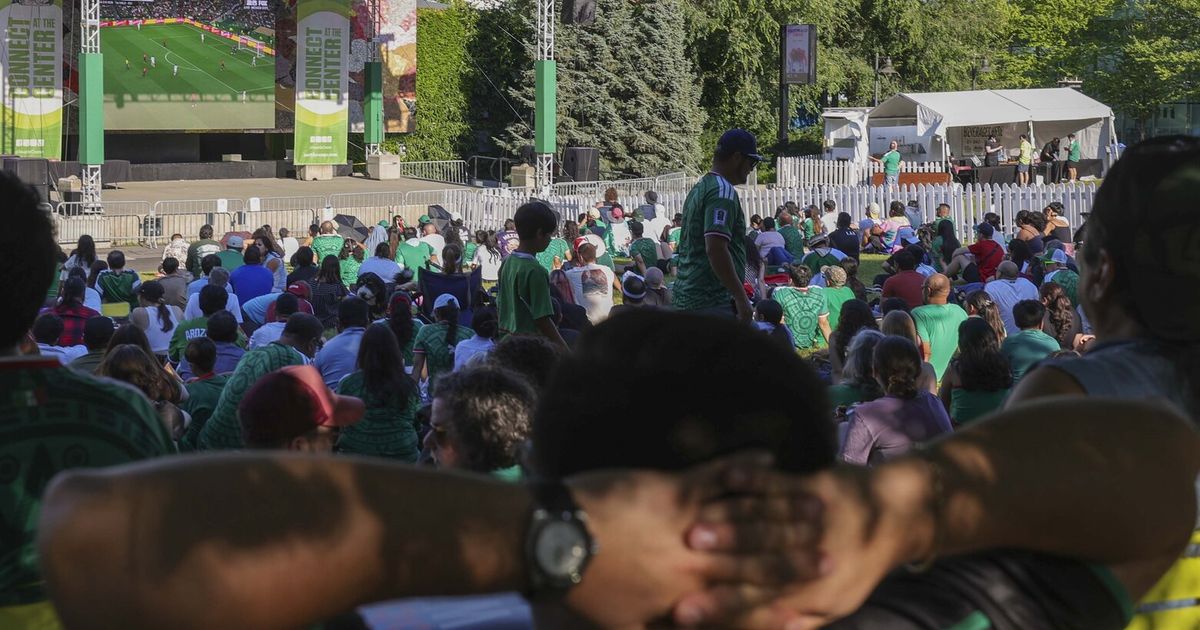
Seattle’s World Cup watch parties still have some pulse left
The stadium gates may have closed, but downtown Seattle still has a place to gather, groan, and cheer together. The tournament outlived the city’s last match.
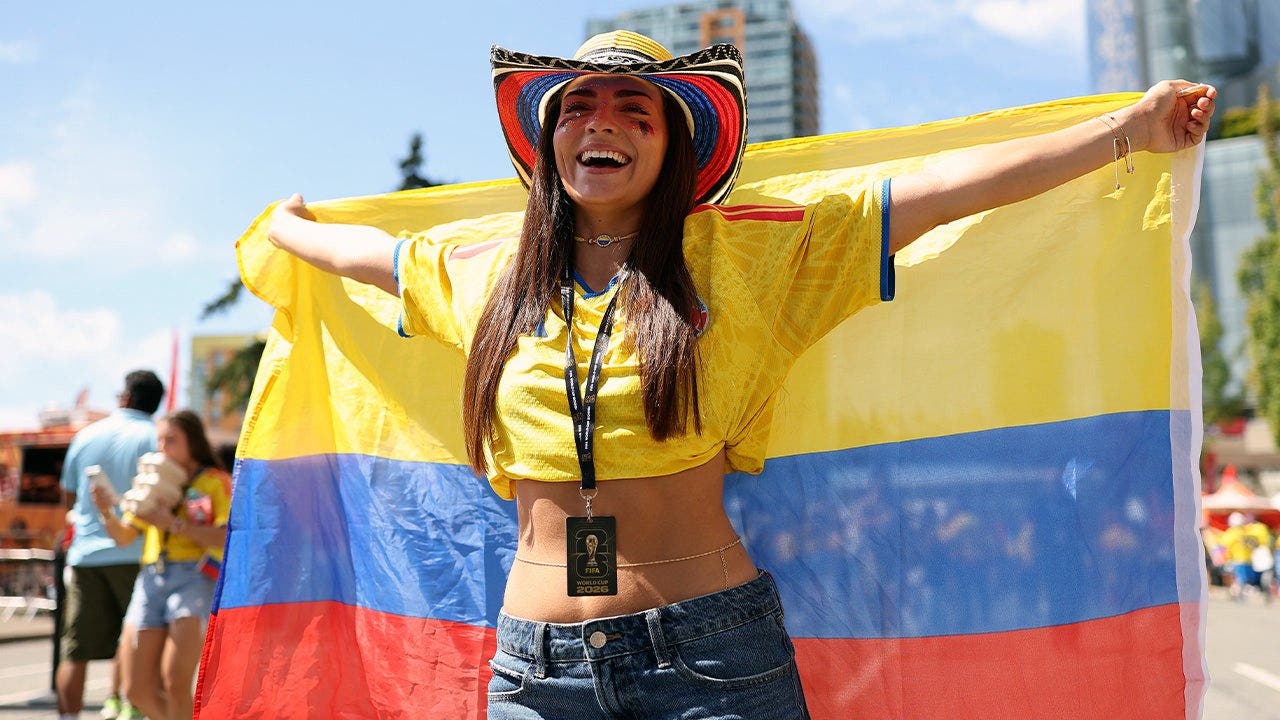
Colombia’s traveling army just turned Vancouver into a pregame event
Colombian supporters flooded Vancouver before a Round of 16 date with Switzerland, and the crowd may be shaping this World Cup as much as the teams.