
Seattle’s World Cup watch parties still have some pulse left
 Beatrice Kensington6 min read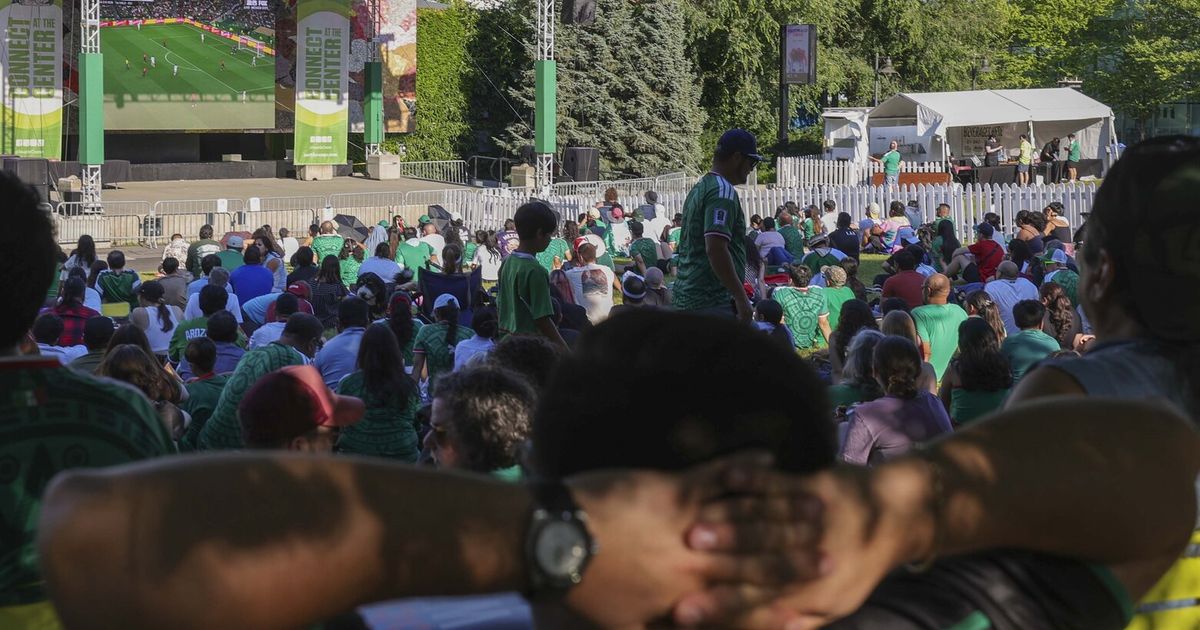
Seattle’s World Cup chapter as a host city closed with a thud, not a flourish: the United States out, the home-city glow gone, the temporary stage lights dimming as quickly as they had been strung above downtown. And yet the most human part of the tournament — the gathering, the shared noise, the easy intimacy of strangers who become a little less strange for two hours — has not gone anywhere. The match may have moved on. The audience has not.
The real loss is not the bracket; it is the room
The end of Seattle’s hosting run could have felt like a hard stop, a clean shutdown of the kind city planners like and fans resent. Instead, a handful of free downtown watch party spots are still carrying the tournament forward, keeping the conversation alive even after the last local whistle. That matters more than it may sound. A FIFA World Cup tournament is always sold as spectacle, but what people remember is the texture: the drumbeat of chants, the clutch of cold paper cups, the way a whole block leans toward a screen as one body.
Seattle understood that instinct immediately. This is a city that can produce serious soccer people — people who know their angles and their atmospheres, who can argue about pressing structures over coffee without once sounding self-conscious. But the watch parties widened the circle. They gave the casual fan a place to stand beside the lifer. They gave the commuter passing through downtown a reason to stop. They gave the city a kind of public square it has often struggled to keep alive.
The United States men's national soccer team losing to Belgium ended the home-city dream in the most merciless way: abruptly, with no room for sentiment. Yet the downtown gatherings that remain are proof that a tournament does not end when a host team’s turn ends. It ends when people decide to go home.
Why the free downtown parties still matter
Free matters. Public matters. Open doors matter. A sports culture that asks only the already-converted to keep showing up is a brittle one, and one of the quiet virtues of these watch parties is how democratic they are. No premium seat required. No gatekeeping. No need to know the full backstory of every midfielder or the difference between a 4-3-3 and a 5-4-1. You just need to arrive on time and let the collective emotion do its work.
That has social weight in a city where downtown life can feel transactional, even lonely. The after-hours pulse of a watch party does a small civic repair. It says that a central district can still be a place for unplanned contact, not just commerce. It says that a big sporting event can still stitch together neighborhoods and visitors and workers who would otherwise move past one another with commuter-grade efficiency.
There is also a subtler sports argument here. For all the talk of infrastructure and legacy whenever a city hosts a mega-event, the true legacy is often whether new fans stick. Whether the child who watched one game on a giant screen later asks for a ball. Whether the office worker who drifted over for one beer and one half becomes the person who learns where the local club plays. Whether the city’s soccer habit deepens beyond a ceremonial summer fling.
Seattle’s soccer identity is bigger than one bracket
Seattle has never needed much convincing about soccer. Between Lumen Field, the Seattle Sounders FC, and a fan base that has long worn its devotion in plain sight, this is already one of America’s most mature soccer towns. Hosting World Cup matches only confirmed what was already there: a community ready to treat the sport not as imported novelty but as local custom.
That is why the continuing watch parties feel less like a consolation prize and more like an extension of the city’s self-image. A host city’s task is not merely to absorb visiting fans and move on. It is to show that the event belongs in the civic bloodstream. Seattle passed that test easily, and these remaining gatherings are the softer, more durable proof.
They also matter because public enthusiasm is fragile. It can be dismissed, redirected, monetized, and then politely forgotten once the cameras leave. The free screenings resist that. They invite people back without asking them to spend a fortune first. In a sports landscape increasingly divided between luxury and access, that is no small thing.
The most valuable part of a World Cup host city is not the match it gets; it is the crowd it keeps.
My read: the city should protect this kind of ritual
I have always believed that sports are at their healthiest when they are allowed to behave like neighborhood life rather than high-gloss product. That is especially true with soccer, which has a historic talent for turning sidewalks into stands and strangers into temporary kin. The great seduction of the World Cup is not merely the level of play. It is the permission it grants people to care loudly in public.
Seattle ought to protect that instinct with more than nostalgia. If downtown can host watch parties while the tournament is still breathing, it can host them again when the attention economy has moved elsewhere. It can build on this moment instead of embalming it. Cities talk constantly about activation, about vibrancy, about drawing people back. Here is the plain version: give them a reason to gather that does not feel manufactured. Let them watch something together. Let them react together. Let them belong to the same minute.
That is how sports culture becomes civic culture. Not through slogans. Through repetition.
What to watch now that Seattle’s matches are done
The remaining watch parties may not carry the romance of Seattle hosting, but they still offer something useful: continuity. If you are curious, go. If you missed the earlier crowds, this is your second chance to be folded into the noise. And if you have been treating the tournament as background, this is the moment to lean in a little harder.
Because the lingering question is not whether Seattle can support soccer. It already can. The real question is whether the city will keep treating these public gatherings as an afterthought once the spotlight has shifted. The best answer would be to make them a habit. Not every event needs a roof and a ticketing platform. Some need only a screen, a sidewalk, and the willingness of a city to remember itself.
The final local match is gone. The city’s appetite is not.
And for Seattle, that may be the more interesting result.
Comments
Join the conversation — sign in to leave a comment.
Sign in to commentRelated Stories
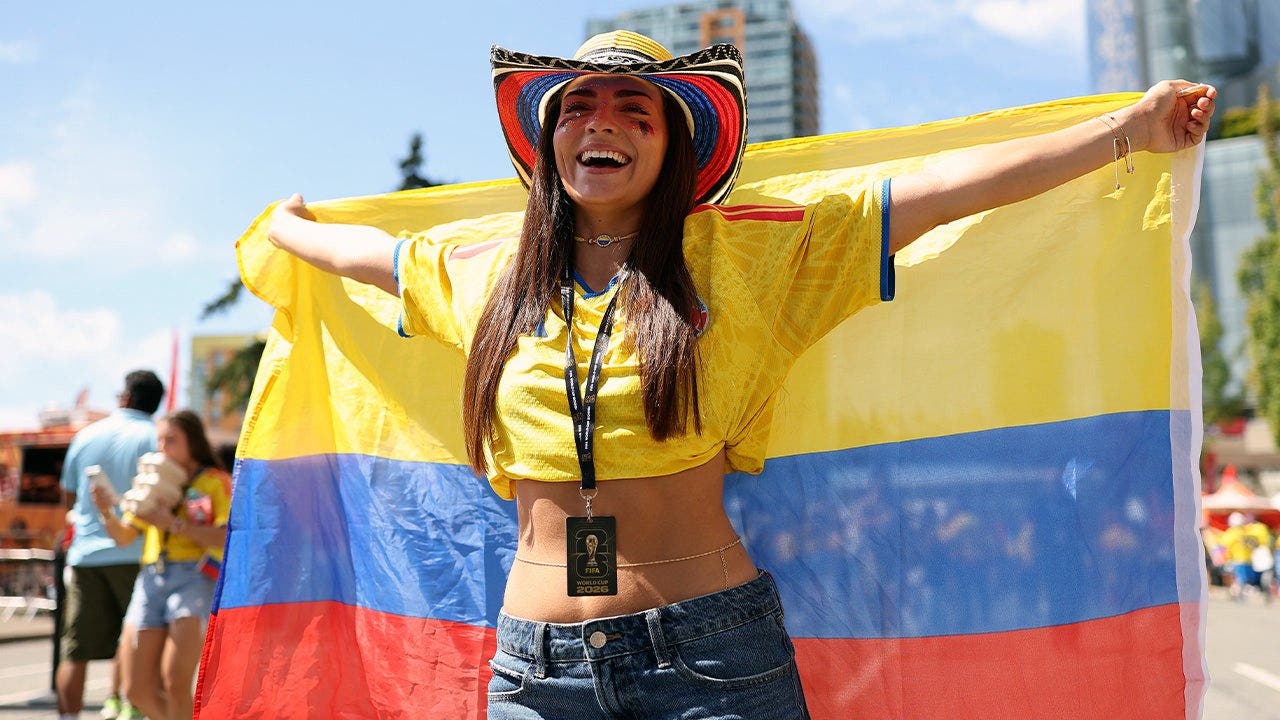
Colombia’s traveling army just turned Vancouver into a pregame event
Colombian supporters flooded Vancouver before a Round of 16 date with Switzerland, and the crowd may be shaping this World Cup as much as the teams.
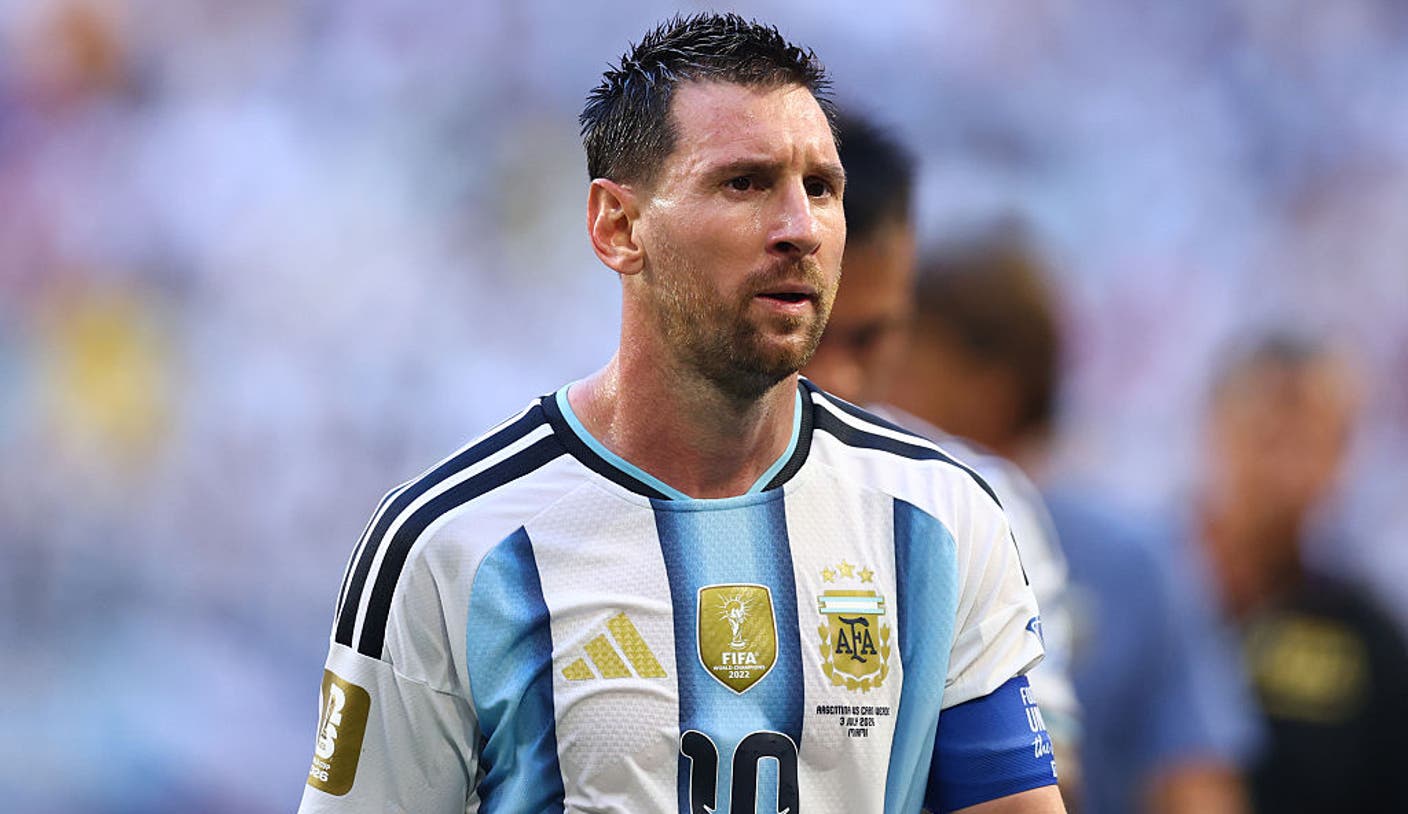
Messi, Salah and a World Cup Day That Feels Larger Than the Bracket
Argentina meet Egypt in Atlanta, while Switzerland and Colombia chase a quarterfinal place in Vancouver on a day built for stars and consequences.

Belgium Exposes the U.S. Soccer Gap — And the World Cup Didn’t Blink
The U.S. men got picked apart by Belgium, and the reaction from American sports voices was even louder than the scoreline. This wasn’t just a loss — it was a reality check.