
Messi, Salah and a World Cup Day That Feels Larger Than the Bracket
 Beatrice Kensington6 min read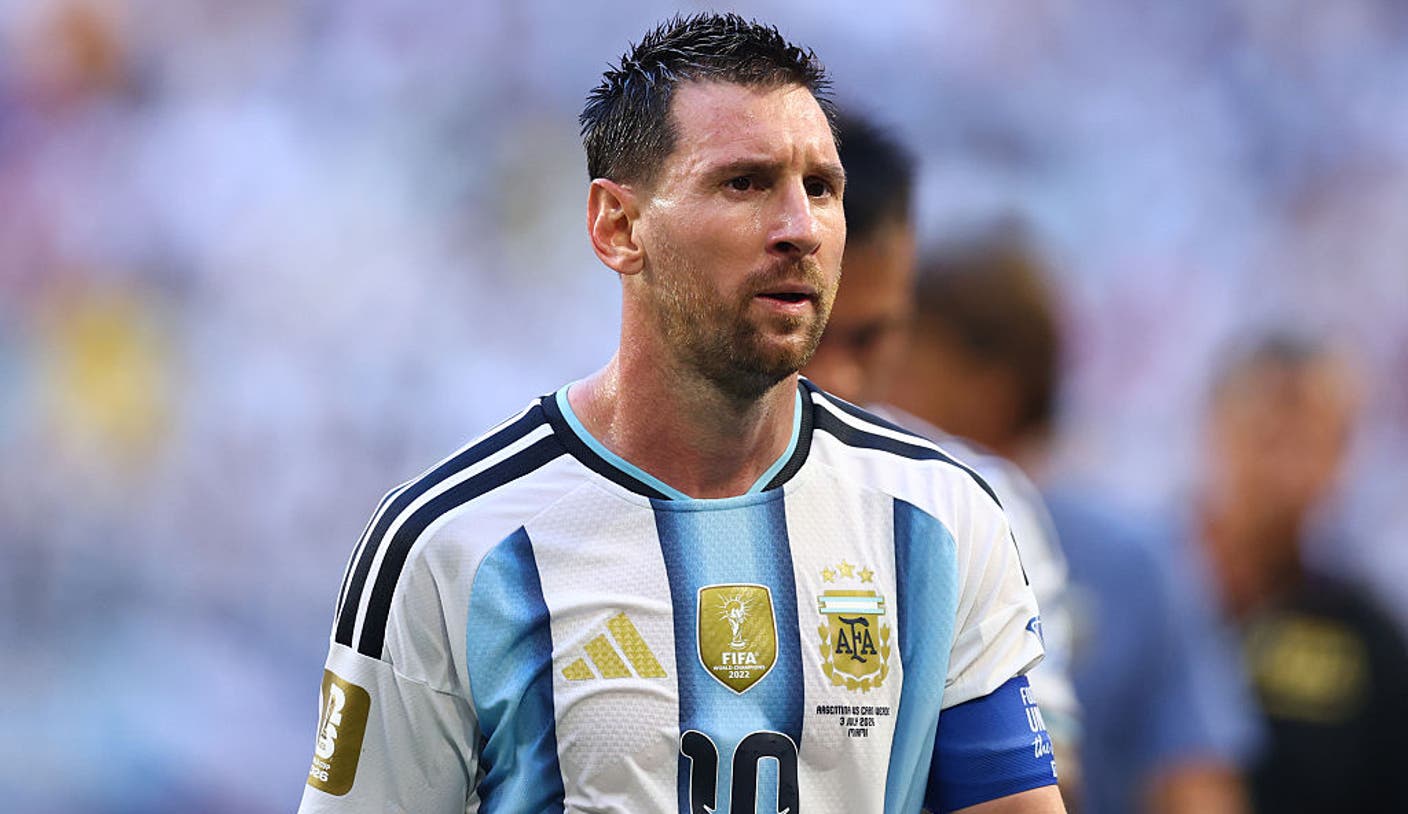
The Round of 16 has a way of turning familiar names into fragile things. One bad bounce, one tired leg, one moment of panic in a stadium that has spent the afternoon humming like a wire, and the whole tournament starts to tilt. Today’s slate carries that pressure in full: Argentina against Egypt in Atlanta, then Switzerland against Colombia in Vancouver. Lionel Messi. Mohamed Salah. Two teams with enough talent to frighten any opponent. Two more with the hard-earned belief that history does not have to behave itself.
This is the portion of a World Cup where style gives way to nerve. The group stage is a broad market, noisy and generous. The Round of 16 is a narrowing corridor. Every touch seems more expensive. Every mistake is stamped with consequence.
Atlanta gets the day’s loudest collision: Argentina vs. Egypt
Argentina arrive in the kind of spotlight that follows Lionel Messi everywhere he goes, while Egypt carry the burden and the blessing of Mohamed Salah. That pairing alone gives this match gravity. It is not just star power; it is the meeting of two footballing identities that have learned to live under expectation so long that expectation has become part of the shirt.
Argentina have the cleaner historical script, the deeper institutional muscle, the better odds in the eyes of nearly every neutral. Egypt, though, are never quite as simple as the numbers make them look. Teams built around Salah tend to compress the field around a single devastating idea: survive the stretches without the ball, then strike with precision when the space opens. That can look cautious to the casual eye. It is not. It is discipline sharpened by necessity.
Argentina’s challenge is the familiar one for sides with title ambitions: how to keep their composure when a match refuses to unfold according to reputation. World Cups are full of teams that pass beautifully until they meet a defense willing to be ugly. Then the questions begin. Can the fullbacks provide width without exposing the back line? Can the midfield control the second balls? Can Messi be given enough of the ball in the right places, against the right pressure, at the right time? These are not abstract questions. They are the sport’s old arithmetic.
Switzerland and Colombia bring a different kind of menace to Vancouver
The second match of the day, Switzerland against Colombia, may not have the same global celebrity glow, but it has the sort of structural tension that often produces the best knockout football. Switzerland are the sort of opponent elite teams never enjoy facing: organized, stubborn, tactically literate, unwilling to offer cheap space. Colombia, meanwhile, bring tempo, invention and the possibility of sudden acceleration. One team wants to make the game feel measured. The other wants to make it feel alive.
That contrast matters because Round of 16 matches are often decided not by who is more glamorous, but by who can force the other into an unfamiliar rhythm. Switzerland’s best moments usually come when they turn a match into a series of small battles — the sort of contest where the ball is contested in every pocket and the margins are measured in body positioning rather than highlight reels. Colombia’s path runs through a more open canvas. If they can drag Switzerland into a game of transitions, the match may begin to crack along the seams.
And make no mistake: the venue matters. Vancouver tends to reward patience and punish impatience. The air, the distance, the day itself — all of it can subtly shape the tempo of a knockout match. By the time the second game begins, the tournament has already spent the afternoon asking players to carry the emotional residue of the first. That is part of the rhythm now. The World Cup is never only one match at a time.
In knockout football, the strongest team is not always the one with the best players. It is the one that can sit inside anxiety without letting it change the shape of its game.
What today says about the modern World Cup
The global tournament has become a strange and beautiful machine: part spectacle, part survival test, part referendum on how nations understand themselves through sport. Argentina are expected to contend because that is what Argentina do when the room gets small. Egypt are measured against whether they can make that expectation wobble. Switzerland are often treated like a respectable obstacle, which is football’s sly way of underrating a team that knows exactly who it is. Colombia are asked, as they so often are, to marry talent with control.
I keep coming back to the human cost of these days, because that is the piece the scoreline cannot hold. There is an entire country’s emotional weather packed into every broadcast. There are players carrying years of scrutiny, supporters carrying family memory, coaches carrying the knowledge that one afternoon can narrow a legacy. I’ve always believed the Round of 16 is where a World Cup stops being a festival and becomes a reckoning. The costumes remain, but the stakes sharpen. The songs get quieter between chances.
And if you want the deeper pattern, look at how often the tournament rewards teams that can manage their nerves rather than advertise their brilliance. I have seen enough summers of this sport to mistrust the seduction of pure talent on knockout day. Talent matters, of course. But restraint, shape, and the ability to endure a bad ten-minute spell without surrendering the whole match — those are the currencies that buy quarterfinals. Argentina know that. Switzerland live by it. Egypt and Colombia, in their own ways, are trying to prove they can too.
The watch list: stars, structure and one mistake
If Argentina advance, the conversation will immediately turn to whether Messi is being carried by the team or carrying it himself. That debate is often lazy, and usually wrong. Great teams in tournaments are not solo acts; they are systems that know how to feed greatness without starving the rest of the side. If Egypt spring the upset, it will likely be through the sort of compact, unsentimental defending that turns a match into a late-night frustration for everyone wearing the other color.
For Switzerland and Colombia, the key is simpler and crueler: which side blinks first? A knockout match often collapses to one mistake, one defensive hesitation, one overhit pass, one moment where the ball is treated like it will return on its own. It rarely does. The team that respects that fact tends to keep playing next week.
Today’s bracket has the look of a routine stop on the way to the quarterfinals. It is not routine. It is four nations trying to turn pressure into progress, and every one of them knows the door narrows here.
Comments
Join the conversation — sign in to leave a comment.
Sign in to commentRelated Stories

Belgium Exposes the U.S. Soccer Gap — And the World Cup Didn’t Blink
The U.S. men got picked apart by Belgium, and the reaction from American sports voices was even louder than the scoreline. This wasn’t just a loss — it was a reality check.

Belgium Brings the Curtain Down on America’s World Cup Summer
The United States entered the knockout round with belief and left with a 4-1 thud. Belgium exposed the fragile edge between promise and punishment.

Belgium Put the Americans on Ice, and the U.S. Still Looks One Step Short
The U.S. got the home-stage boost, the political noise, and Balogun back. Belgium got the cleaner football and the last laugh.