
Belgium Exposes the U.S. Soccer Gap — And the World Cup Didn’t Blink
 Zane Miller4 min read
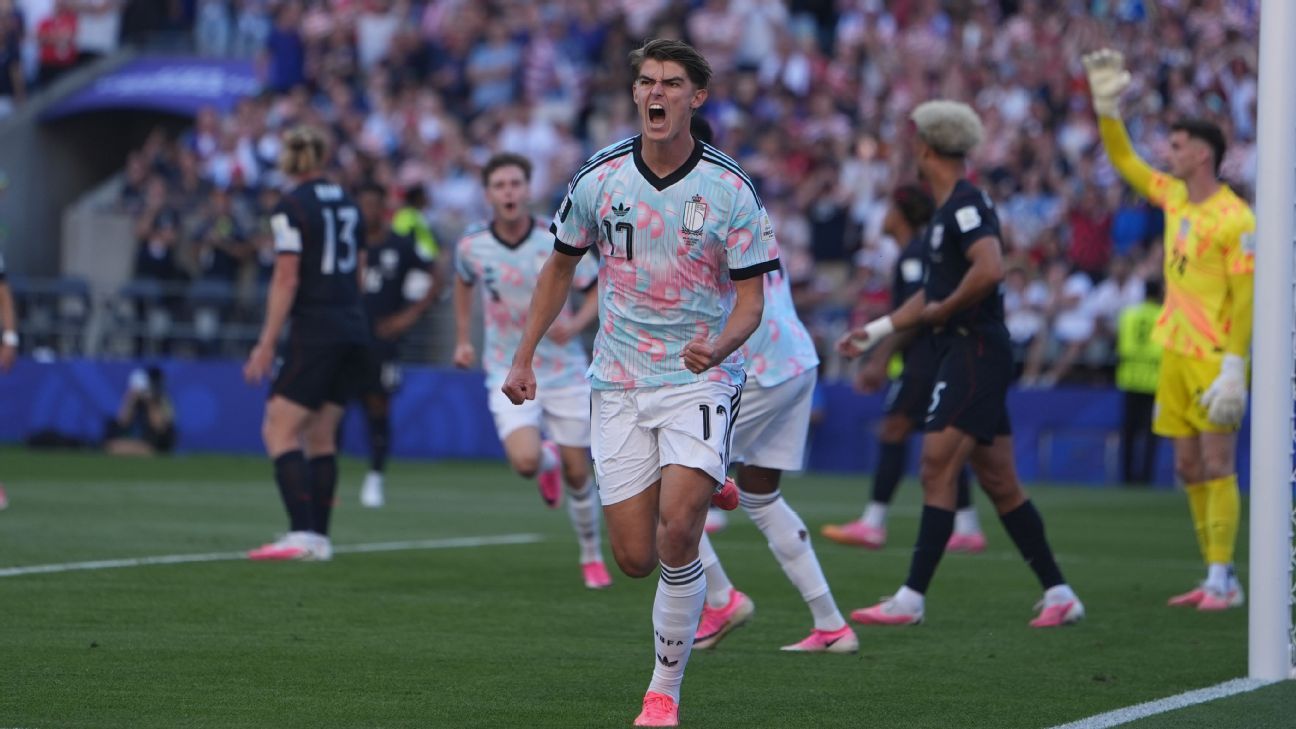
The optimism was real, and that’s what makes the crash sting. The U.S. men’s national team came into this World Cup run with enough momentum to make people believe the gap was closing. Then Belgium dragged the conversation back to earth, hard, and the reaction from across U.S. sports made one thing clear: American soccer is still fighting for legitimacy every time it steps into the brightest rooms.
Belgium Didn’t Just Win. It Tore Off the Mask.
This wasn’t some unlucky bounce or cruel finishing stretch. A shellacking in the Round of 16 says the game got away from the Americans in every layer that matters. The defending was too loose, the game management too soft, and the margin for error at this level is tiny enough to slice through with a butter knife.
That’s the part a lot of casual reaction misses. The U.S. didn’t simply lose a knockout game to a stronger opponent. It got exposed by a team that understood how to compress space, punish hesitation, and turn every American mistake into a transition moment. In tournament soccer, that’s how dreams die: not in one dramatic swing, but in a series of small failures that stack fast.
The U.S. had shown enough earlier to make people talk themselves into progress. And progress is real. But progress and readiness are not the same thing. Belgium made that distinction obvious.
The Reaction Was Bigger Than the Result
What made the aftermath so loud is that this wasn’t confined to soccer people. Prominent figures from American sports didn’t treat this like a niche disappointment. They treated it like a measuring stick. That matters.
When the U.S. men struggle on a stage like this, it ripples beyond the locker room because American soccer still lives in a strange place culturally. It’s growing, no question. It’s better funded, more professionalized, more connected to the global market than it used to be. But the minute the team goes out flat in a knockout match, the old question comes roaring back: has the sport actually closed the gap, or just built a prettier hallway to the same old door?
That’s why the noise landed. Fans don’t just judge results. They judge the aura. And right now the U.S. men are still working to earn the kind of trust that NBA or NFL fans hand out when their teams lose ugly in a playoff game and still get the benefit of the doubt. Soccer in America doesn’t get that pass yet.
The U.S. doesn’t have a talent problem as much as it has a proving-ground problem.
What This Means for U.S. Soccer’s Next Sales Job
The federation and the program now have to sell two things at once: patience and urgency. That’s a tough combo. Supporters are tired of hearing that the future is bright if the present keeps ending this way. The pipeline is better than it used to be, yes. The player pool is deeper. The exposure is broader. But none of that means much if the team still folds when the opponent starts dictating tempo.
This is where roster construction and development philosophy start to matter more than slogans. Are the Americans producing players who can survive elite pressure, or just athletes who look the part until the game speeds up? That’s the question executives and coaches spend the next cycle trying to answer, because the gap isn’t only about individual skill. It’s about composure, decision-making, and knowing when to slow the game down instead of chasing it.
The other issue is expectation management. The U.S. men can’t keep selling “next time” forever. The standard has to move from participation to performance. A respectable showing is not the same as a dangerous team. If you want to be taken seriously in global soccer, you need knockout-stage proof.
My Take: This Is What Growing Pains Look Like in Public
I’ve covered enough sports to know the pattern when a country starts believing its own hype before the results fully cash the check. The Americans are in that zone now. Not because they’re fake, and not because the progress isn’t real. They’re in it because the leap from promising to dangerous is where a lot of programs get stuck. It’s the hardest jump in sports.
And honestly? That’s the story here more than the loss itself. Belgium didn’t just beat the U.S.; it reminded everybody that global soccer has no interest in American timelines. The rest of the world doesn’t care how much momentum you built in qualifying or how good your young core looks on paper. If you can’t survive the knockout pressure, you’re still a work in progress.
That’s not fatal. It’s just honest. And honesty is useful this close to a major tournament cycle, because now the U.S. has a cleaner audit. The next version of this team has to be smarter, nastier, and calmer in the moments that decide whether a run becomes a headline or a footnote.
The result will linger. The criticism will too. The only real answer is the next big stage, and the Americans know they’ve got work to do before anybody calls them ready.
The calendar keeps moving. The questions do too. The next time this team walks into a knockout match, everybody’s going to remember Belgium.
Comments
Join the conversation — sign in to leave a comment.
Sign in to commentRelated Stories

Belgium Brings the Curtain Down on America’s World Cup Summer
The United States entered the knockout round with belief and left with a 4-1 thud. Belgium exposed the fragile edge between promise and punishment.

Belgium Put the Americans on Ice, and the U.S. Still Looks One Step Short
The U.S. got the home-stage boost, the political noise, and Balogun back. Belgium got the cleaner football and the last laugh.
USA-Belgium Isn’t Just a Knockout Game. It’s a Status Check.
The Americans have a real chance to announce themselves against Belgium, and the bracket only gets meaner from here. This is where reputations start to move.