
Belgium Put the Americans on Ice, and the U.S. Still Looks One Step Short
 Leo Lupo6 min read
The Americans walked into this World Cup with the kind of setup teams usually beg for and still rarely get: home soil, automatic qualification, a soft group, and a public that was ready to treat every decent touch like a civic breakthrough. Then reality showed up in cleats. Belgium sent the U.S. packing with a 4-1 thumping, and no amount of stagecraft, intervention, or fresh drama could paper over the gap.
This one will sting because it was supposed to be different. The U.S. had the path, the noise, the oxygen. They even got Folarin Balogun back in the lineup after the political circus around his availability. That should have steadied the ship. Instead, it just gave the Americans a more expensive coat of paint on the same old frame. Good teams don’t need rescue missions. Good teams don’t need their lineup decisions to become national policy. And good teams, frankly, don’t get run off the pitch when the bracket starts tightening.
The stage was theirs. The result still belonged to Belgium
That’s the part nobody in the American camp wants to say out loud, but it ought to be said anyway. Hosting a World Cup is supposed to buy you comfort. Familiar beds. Loud crowds. Short trips. Less travel nonsense. The Americans had all that, plus a group that should’ve let them breathe into the knockout rounds with some confidence. Instead, they looked like a side that spent too much time talking about the dream and not enough time sharpening the blade.
Belgium, meanwhile, did what veteran tournament teams do. They didn’t get sucked into the emotion of the occasion. They didn’t spend the opening spell admiring the scene. They settled in, punished mistakes, and made the U.S. chase the match. Once you’re chasing against a disciplined European side with experience and legs, the thing starts to unravel fast. One goal becomes two. Two becomes panic. Panic becomes the scoreboard you saw in Seattle.
And there’s the hard truth: the Americans were outplayed where it matters most. Not in the ceremonial bits, not in the pregame pageantry, but in the rough business of handling pressure, controlling the middle, and surviving the first bad stretch without folding their tent.
Balogun came back, but he can’t play every position
Balogun’s return was supposed to matter. And in a narrower sense, it did. He’s the kind of forward who gives a team a cleaner way to move the ball in the final third, a more direct threat, a little less fumbling around in front of goal. But even a sharp striker is still just one man. He can’t fix a midfield that’s getting bypassed. He can’t patch over defensive lapses. He can’t make the whole side look calmer when the pressure climbs.
That’s the danger of building a national-team identity around a single returning piece. It flatters everybody in the room. Coaches get a headline. Fans get a hope. Politicians get their photo op. Then the whistle blows and the same old structural issues are still there, only now they’re lit up in HD.
This wasn’t a bad night for one player. It was a bad verdict on a team that mistook access for progress.
The U.S. has long had this habit of acting like adding one premium attacker or one shiny storyline will unlock the whole operation. That’s not how tournament football works. Not against sides like Belgium, not in knockout play, and not when the level rises from “decent group team” to “quarterfinal-level seriousness.”
Trump’s intervention made noise. Belgium made the football
The political side-show is going to get more ink than it deserves, because that’s how this country handles a mess: it reaches for the loudest object in the room. But football has a brutal way of stripping away theater. You can summon attention. You can stir the base. You can turn a roster choice into a headline bigger than the sport itself. None of that counts once the match starts.
The Americans didn’t lose because of politics. Let’s not get silly. They lost because their football wasn’t good enough. But the intervention around Balogun’s return did the team no favors, either. It turned a sporting decision into a referendum. That’s a lousy way to prepare for a knockout game. It puts the focus where it never belongs. Teams need clarity, not a pile of static buzzing around their ears.
I’ve watched enough international tournaments to know this much: the countries that do well usually have a shared footballing identity that survives the noise. They know who they are when the crowd gets nervous. They know how to defend a lead, how to suffer through a bad 15-minute patch, how to win ugly without apologizing for it. The U.S. still feels like a side assembling its identity one press release at a time. There’s talent. There’s athleticism. There’s money in the system now, and that matters. But the old American problem keeps showing up in a nicer jacket: not enough collective craft when the margin gets thin.
And I’ll tell you something else. I’ve seen this movie before with U.S. teams that were praised for their potential right up until the moment potential had to cash a check. The quarterfinal is where the fantasy bill comes due. World Cup football has never cared much about branding.
What this loss says about the Americans’ ceiling
This defeat doesn’t just close a tournament. It opens a harder conversation about the ceiling on this group. The Americans have improved in some real ways over the years. They’re better athletes, better technicians, better connected to the wider game. But the difference between respectable and dangerous is still huge. You can be competent and still be light years from the teams that actually matter in July.
That’s the takeaway here for the United States men’s national soccer team. If they want to stop living on the edge of their own hype, they need more than a headline striker and a friendly bracket. They need a midfield that can dictate terms. They need a back line that doesn’t blink when the first punch lands. They need a culture that treats tournament football like a four-round fight, not a marketing campaign.
The quarterfinal remains the wall. It has been the wall since 2002, and for all the talk of growth, it still stands there, stubborn as ever. The Americans got the soft landing, the home-field boost, the backstory nobody else had. Belgium brought the reminder that football keeps score in its own language. The U.S. is still learning to read it.
The next test won’t come with this much theater, and that might be a blessing. Less noise. Less drama. More football. They could use a little of that.
Comments
Join the conversation — sign in to leave a comment.
Sign in to commentRelated Stories
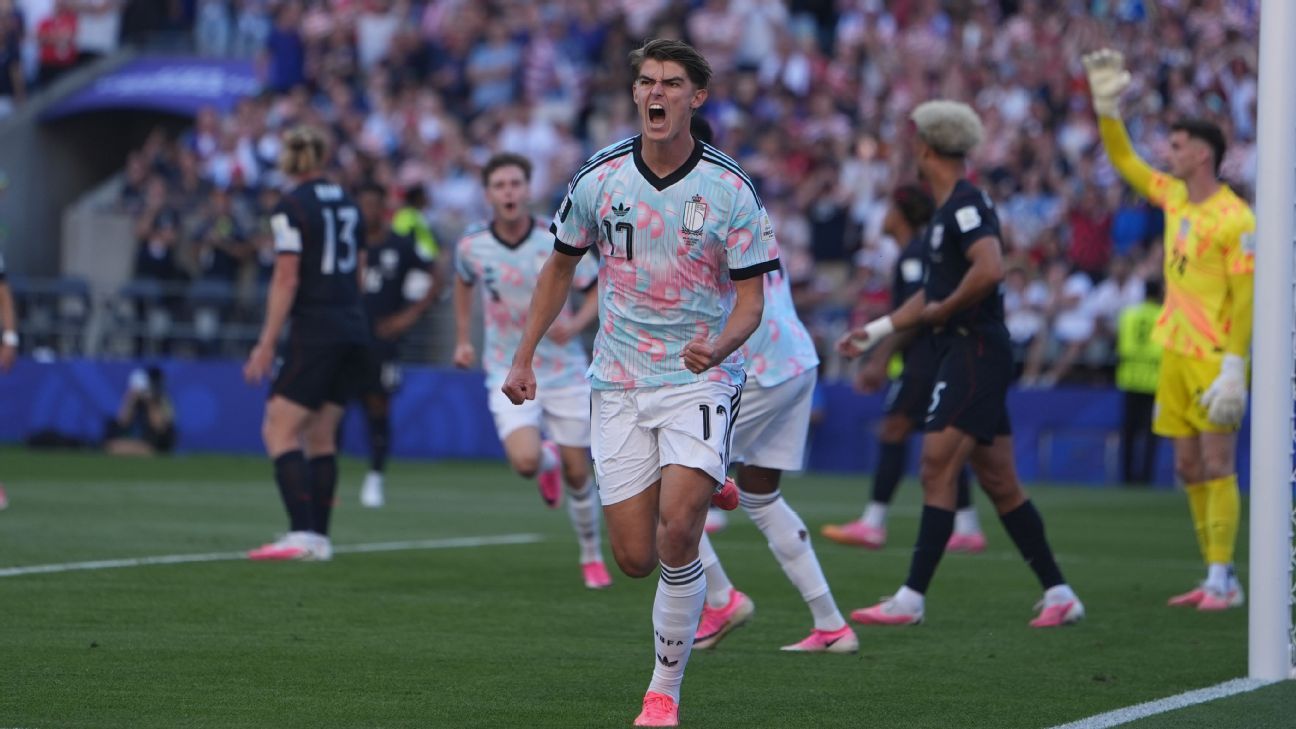
USA-Belgium Isn’t Just a Knockout Game. It’s a Status Check.
The Americans have a real chance to announce themselves against Belgium, and the bracket only gets meaner from here. This is where reputations start to move.
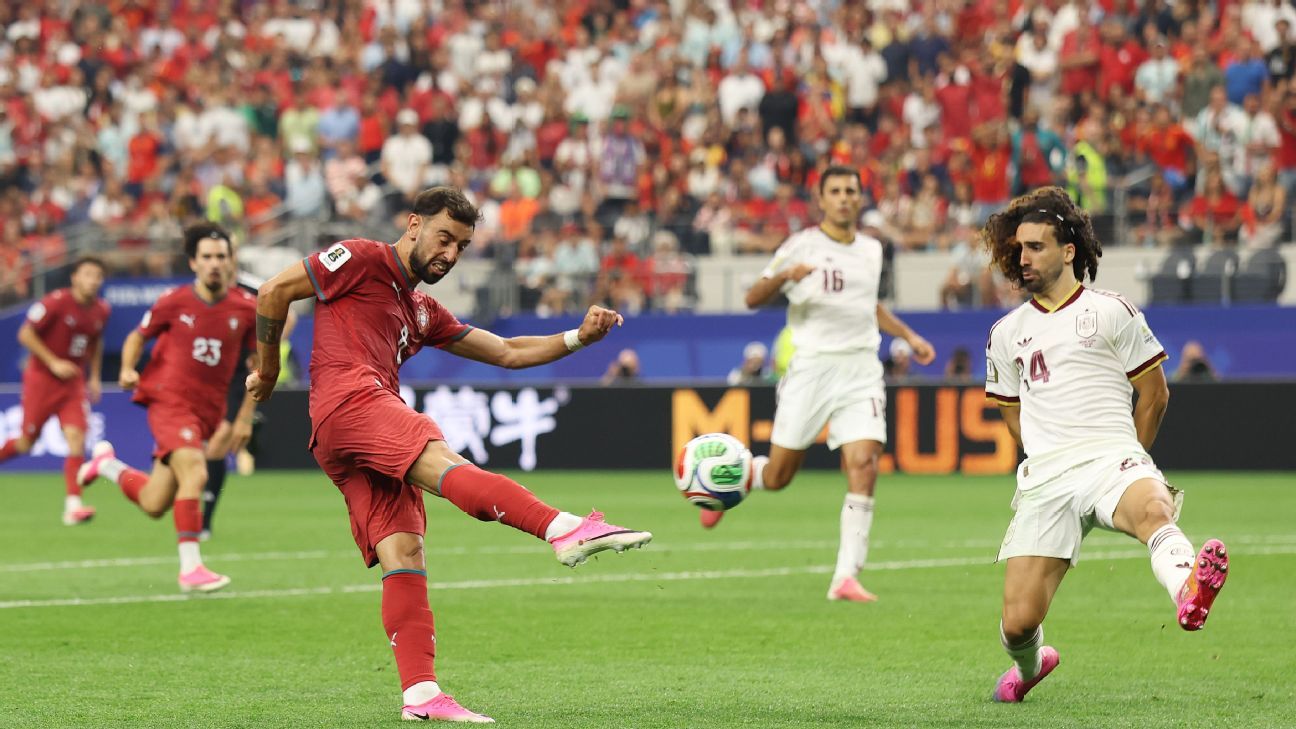
Portugal and Spain Bring Old Fire to a New World Cup Knife Fight
Portugal and Spain meet in a round of 16 bruiser with a quarterfinal against the U.S. or Belgium waiting. The old rivals still know how to make the lights feel hot.
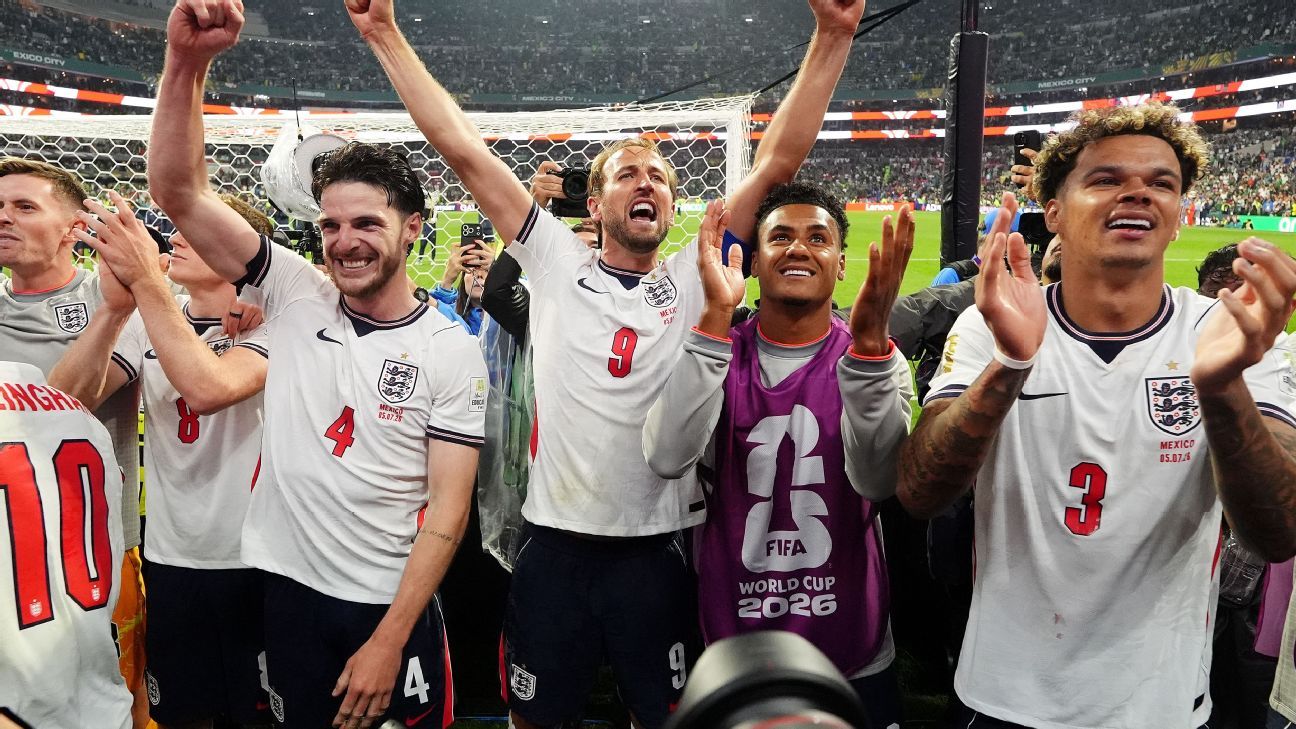
Kane’s Voice Goes, the U.S. Eyes Belgium, and the Knockout Squeeze Tightens
Harry Kane’s postgame rasp turned into the tournament’s odd little viral moment. Meanwhile, the USMNT is staring at Belgium with quarterfinal pressure rising fast.