
USA-Belgium Isn’t Just a Knockout Game. It’s a Status Check.
 Zane Miller4 min read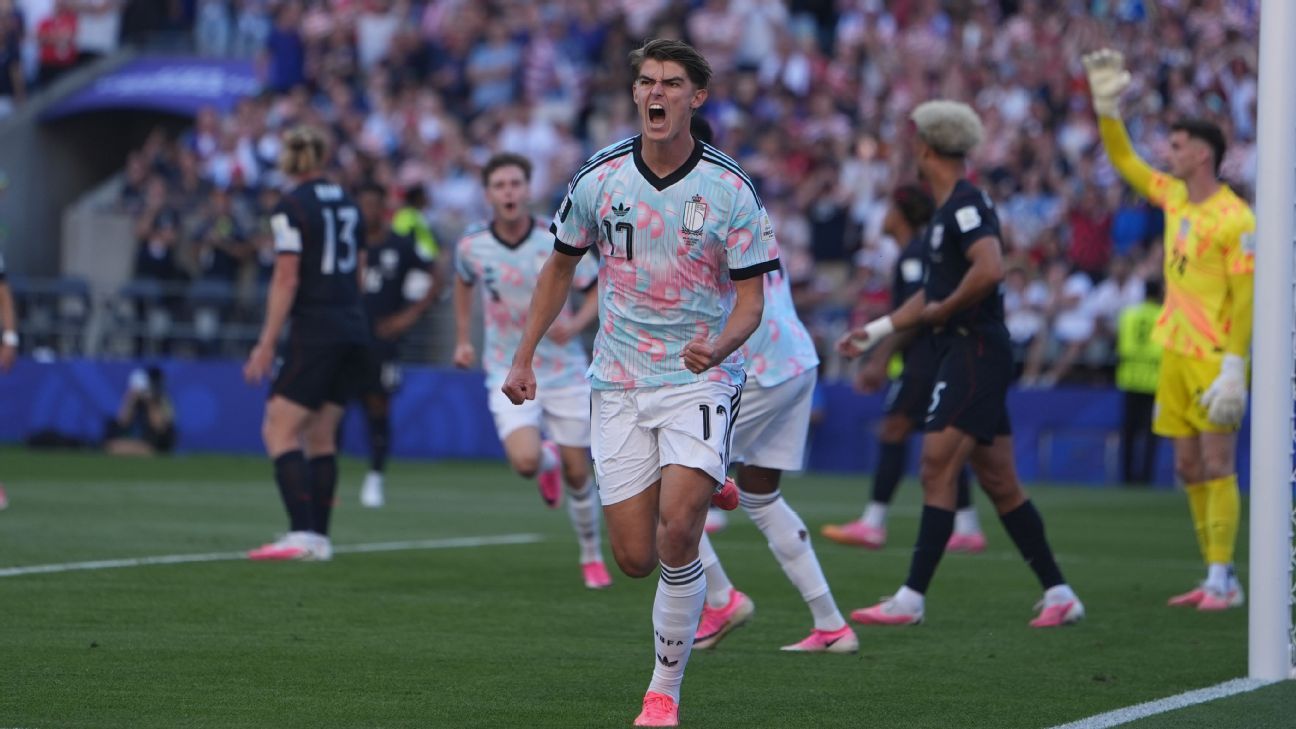
The United States walked into this Round of 16 with something bigger than a match on its hands. Belgium is the kind of opponent that tells you exactly what you are — and, maybe more importantly, what you’re not. In a World Cup knockout setting, there’s nowhere to hide. One clean finish, one defensive lapse, one bad set piece, and the story changes in a heartbeat.
This is where the 2026 tournament stops being about group-stage survival and starts being about hierarchy. The Americans don’t need pretty. They need ruthless. Belgium doesn’t care about your momentum or your social-media aura. Belgium has lived in these moments for years, and that kind of tournament scar tissue matters.
The U.S. finally gets the kind of test that shows who they are
For the United States men's national soccer team, this is the matchup fans have been waiting for since the draw. It’s not a trap game. It’s not a “let’s see what happens” game. It’s the game.
At this stage of a World Cup, the margins are microscopic. The U.S. can spend 90 minutes looking organized, energetic, even dangerous, and still lose on one moment of Belgian precision. That’s the problem — and the opportunity. If the Americans want to climb from “competitive” to “serious contender,” this is exactly the sort of opponent they have to push around for stretches.
Belgium’s reputation in recent cycles has been built on technical calm and veteran control. The Americans have had to learn how to live in that space. They can’t just press hard for 15 minutes and call it a plan. They need ball security, patience in transition, and real discipline in the middle third. That’s where knockout games get won before the cameras even catch it.
Belgium still has the kind of structure that ruins good stories
Belgium is never just Belgium. It’s a test of game management, spacing, and whether your back line can stay awake when the tempo flips. The Belgians have spent the last decade making teams chase shadows, then punishing them the second the shape opens up.
That’s why this is such a dangerous draw for the Americans. It’s not only about talent. It’s about whether the U.S. can handle the emotional swings that come with a heavyweight opponent. One missed assignment, one bad touch under pressure, and you’re defending for your life. The best Belgian sides don’t give you repeated chances to recover.
And because this is the Round of 16, the tactics get stripped down fast. Coaches stop selling dreams. They start selling control. Belgium will be perfectly happy to make this ugly if that helps them get to Spain in the quarterfinals. The U.S. has to decide whether it can live with that kind of grind without losing its nerve.
The first team to blink probably won’t get a second chance.
The bracket pressure is real, and Spain waiting only sharpens it
The winner drawing Spain in the quarterfinals is not a side note. That changes the temperature of this game. Players know it. Coaches know it. Executives watching from a thousand miles away definitely know it.
This is the part of a World Cup where pathways start shaping legacies. Beat Belgium, and the U.S. is suddenly sitting on a quarterfinal date with a giant and a chance to keep rewriting the country’s ceiling. Lose, and it becomes another “good progress” story that sounds fine until you realize progress without breakthrough eventually gets stale.
The Americans have spent years building a player pipeline that looks stronger, deeper, and more modern than it used to. This is the kind of game those investments are supposed to cash in. Not in aggregate. In a single afternoon. That’s how knockout soccer works. You don’t get credit for the infrastructure if you freeze in the moment.
My read: this is the exact sort of game the U.S. has to survive to matter
I’ve seen enough of these tournaments to know the difference between a team that’s admired and a team that’s feared. Admired teams keep showing up in the bracket. Feared teams make opponents change how they play. The U.S. is trying to cross that line, and Belgium is the kind of opponent that exposes whether they’re still a step short.
My take? If the Americans can handle Belgium’s calm, stay compact without sitting too deep, and force the match into a chase instead of a chessboard, they’re not just advancing — they’re sending a signal. Not a social-media signal. A real one. The kind that sticks with players and federations and changes how everybody talks about the program for the next cycle.
If they can’t, the criticism will be immediate and fair. Because this is what the new standard looks like. No more treating a Round of 16 as a victory lap. This is where contenders make other teams uncomfortable.
The next 90 minutes decide whether the U.S. keeps climbing or gets shoved back into the old conversation. Belgium is waiting to make it personal.
Comments
Join the conversation — sign in to leave a comment.
Sign in to commentRelated Stories

Belgium Put the Americans on Ice, and the U.S. Still Looks One Step Short
The U.S. got the home-stage boost, the political noise, and Balogun back. Belgium got the cleaner football and the last laugh.
Portugal and Spain Bring Old Fire to a New World Cup Knife Fight
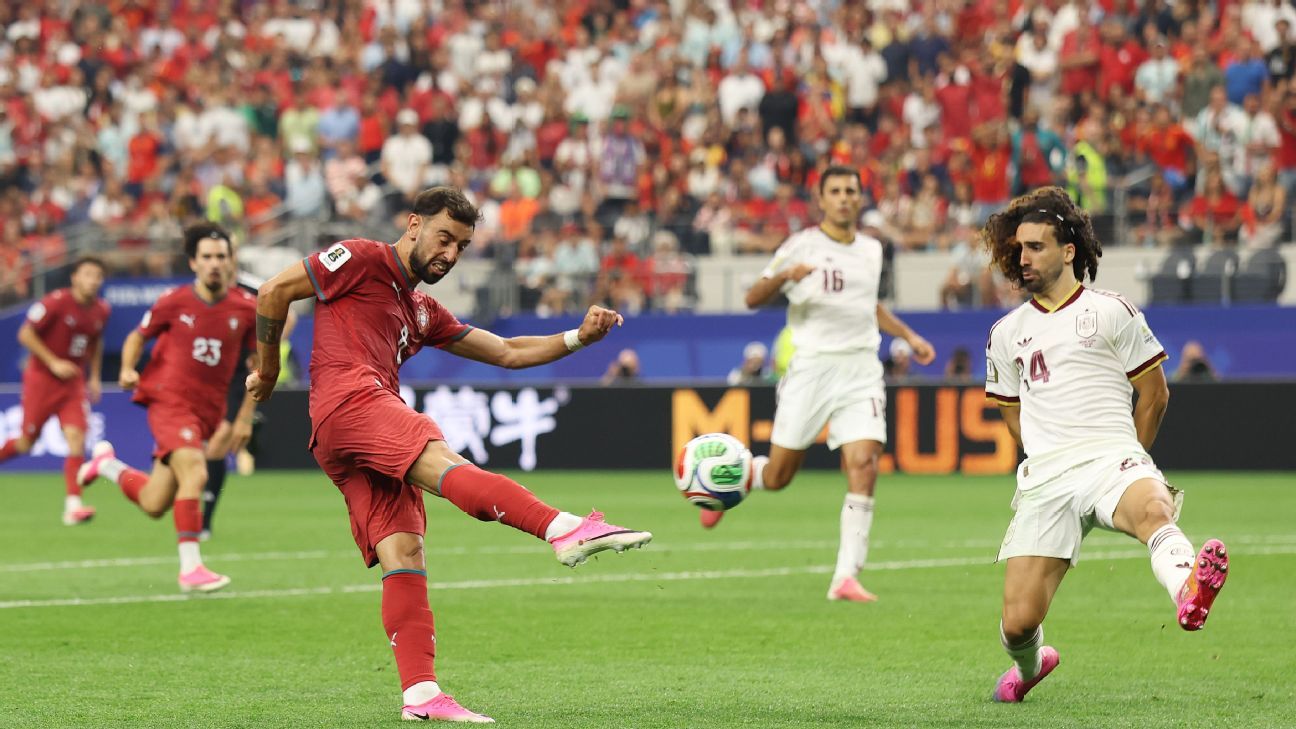
Portugal and Spain meet in a round of 16 bruiser with a quarterfinal against the U.S. or Belgium waiting. The old rivals still know how to make the lights feel hot.
Kane’s Voice Goes, the U.S. Eyes Belgium, and the Knockout Squeeze Tightens
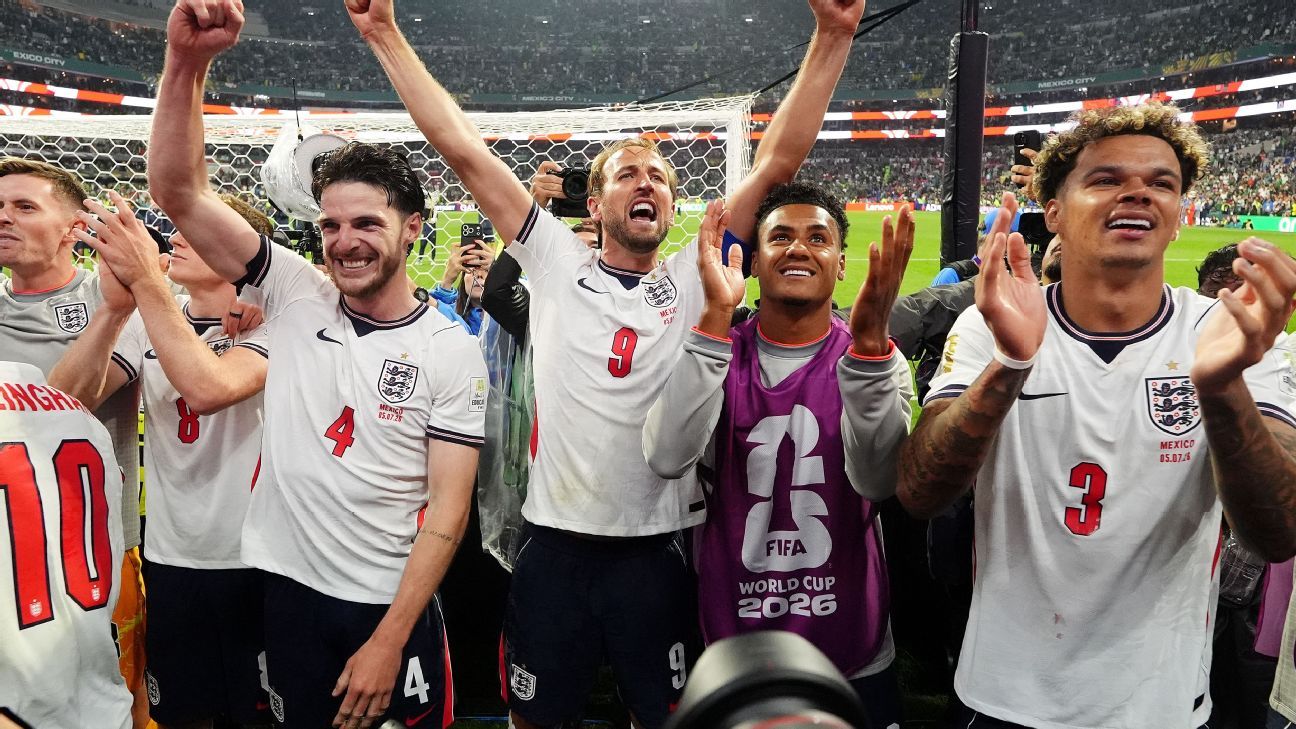
Harry Kane’s postgame rasp turned into the tournament’s odd little viral moment. Meanwhile, the USMNT is staring at Belgium with quarterfinal pressure rising fast.