
Belgium Brings the Curtain Down on America’s World Cup Summer
 Beatrice Kensington6 min read
The scoreline was brutal, but the deeper wound was psychological. Belgium did not merely beat the United States 4-1 in the Round of 16; it pried open every uncertainty that had been simmering beneath this American run and left them exposed in the bright, indifferent light of elimination. For a team that had been fed on hope, noise, and the intoxicating idea that this could be a breakthrough summer, the afternoon ended like a slammed door.
The United States had spent days building a case for itself. The bracket had softened. The conversations had grown louder. There was a sense, familiar now to any American soccer supporter, that the program stood at the edge of a door it had spent decades trying to unlock. Belgium, older, sharper, and far less interested in the romance of somebody else’s moment, made sure that door stayed shut.
Belgium treated the round like a lesson, not a novelty
What separated the two sides was not just talent, though Belgium had more of it in the places that matter most. It was order. It was composure. It was the adult supervision that comes from a team used to the pressure of major tournaments and the hard arithmetic of knockout play.
The Americans began with energy, the kind of energy that tends to travel well on television and poorly against elite opposition. They ran, they pressed, they chased shadows, and for spells it looked as if sheer appetite might be enough. It was not. Belgium absorbed the early bustle and then did what experienced sides do to exuberant challengers: they slowed the match, found the seams, and punished the first mistake that mattered.
That is the unforgiving geometry of the World Cup. You do not get graded on intent. You are judged on whether your structure holds when the game turns cold.
The United States, for all its progress, still had the feel of a team learning that lesson in real time.
The Americans paid for every thin margin
The Americans’ problem was not effort. It was margin. At this level, margin is the difference between a hopeful advance and a fatal concession. One loose marking assignment. One late recovery. One possession wasted with the field stretched too wide. Against a side like Belgium, those small errors become architecture; they build the result one brick at a time.
And once Belgium found the opening, the match tilted hard. The Americans were forced to chase, then over-chase, and the game became a cruel exhibition of what happens when a well-drilled side is asked to play from behind against a superior one. The gaps widened. The legs got heavier. The confidence, so sturdy in the opening minutes, started to fray.
That is where international soccer often strips away comforting narratives. A young American roster can have pace, fitness, and a bright future, but none of those things cancel out the need for ruthless decision-making in the final third and poise at the back. This team had bursts of both. It did not have enough of either.
Belgium did not just defeat the United States; it revealed how far the Americans still must travel before talent becomes pedigree.
A hard truth for the U.S. program: promise is not pedigree
For years, American soccer has lived on the brink of a transformation, always collecting new evidence that the sport is growing, always waiting for the results that would prove the growth is complete. Sometimes the progress is real and visible: better athletes, deeper pools, more players in serious club environments abroad. Sometimes, though, the progress is a matter of mood, and mood is the flimsiest foundation in tournament football.
That is why this defeat hurts beyond the bracket. It does not erase development, and it should not. The United States is no longer the plucky outsider it once was, and that alone is a meaningful shift. But there is a canyon between being respectable and being feared. Belgium occupied the far side of that canyon with no interest in sentiment.
If you want the blunt version, here it is: the American program still tends to confuse momentum with maturity. The sport in this country has made genuine gains, but a gain is not the same thing as a habit. Elite nations carry certain instincts into knockout matches. They know where the danger is before it blooms. They know how to suffocate a game. They know when to stop admiring the moment and start owning it.
What this loss means for the next American cycle
The long view matters here, because the defeat will tempt people into the wrong argument. Not whether the United States is doomed — it is not — but whether the current generation has been overestimated simply because it looks more polished than the ones that came before. That would be too easy, and too lazy.
The real question is whether the American system can keep producing players who are technically sound without becoming tactically dependent on them. In knockout soccer, the difference between being dangerous and being dependable is everything. The United States men's national soccer team must learn how to make difficult matches ugly for the other side, not just for itself.
Beatrice Kensington, speaking plainly, sees this as the most useful kind of defeat: the kind that refuses to flatter anybody. I have written enough years about American soccer to know how seductive near-misses can be. They can be sold as proof of arrival when, in fact, they are often just reminders that arrival still sits a few exits ahead on the highway. This loss should sting. It should also clarify. There is no shame in losing to a superior Belgium side; there is only embarrassment in learning nothing from the manner of the loss.
And there is something else, quieter but essential, in the aftermath of a World Cup exit like this: the country’s relationship with its team should not be built solely on whether the ceiling is higher than it used to be. It should be built on whether the team has become wise enough to survive moments when talent alone is not a shield. That is the next frontier.
The final whistle and the long road back
For Belgium, it was a statement of authority. For the United States, it was a reckoning, delivered without ceremony. The dream did not unravel gradually. It was taken apart with precision.
Now the Americans go home with a familiar mix of pride and regret, and the task ahead is not to romanticize what almost happened. It is to treat this as a map. The route to the next level runs through harder habits, calmer minds, and a broader tolerance for pressure. The summer glow fades quickly. The work does not.
Comments
Join the conversation — sign in to leave a comment.
Sign in to commentRelated Stories

Belgium Put the Americans on Ice, and the U.S. Still Looks One Step Short
The U.S. got the home-stage boost, the political noise, and Balogun back. Belgium got the cleaner football and the last laugh.
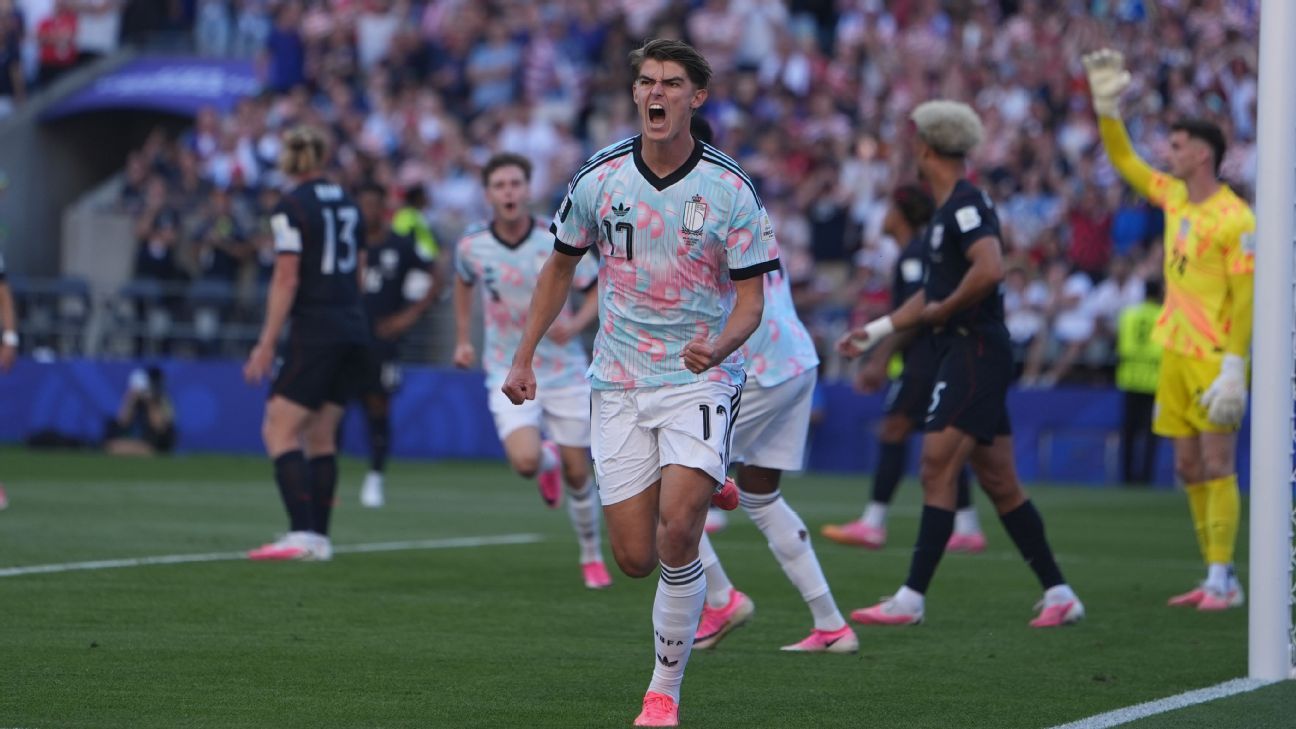
USA-Belgium Isn’t Just a Knockout Game. It’s a Status Check.
The Americans have a real chance to announce themselves against Belgium, and the bracket only gets meaner from here. This is where reputations start to move.
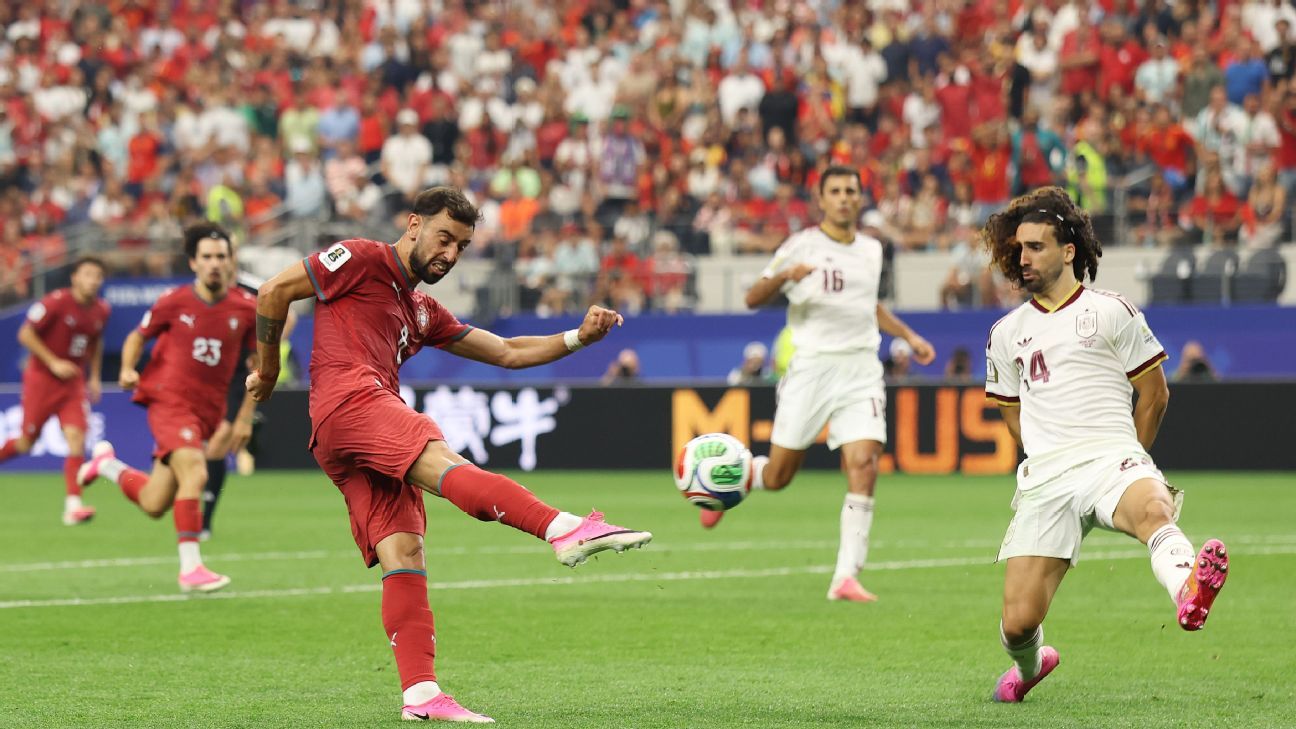
Portugal and Spain Bring Old Fire to a New World Cup Knife Fight
Portugal and Spain meet in a round of 16 bruiser with a quarterfinal against the U.S. or Belgium waiting. The old rivals still know how to make the lights feel hot.