
Mets manager Andy Green signs 3-year contract to stay
The Mets picked stability over drift. That tells you where this front office is headed.
 Zane Miller5 min read
Andy Green is getting what interim managers almost never get: a real runway. The Mets are locking him in on a three-year contract, turning a stopgap into a decision about identity, not just survival. That’s the story here. Not the paperwork. Not the timing. The signal.
Green stepped into the job out of obligation, and that detail matters because the Mets did not hand him this seat lightly. They saw enough in the room, enough in the handling of the clubhouse, enough in the way the roster responded, to decide they did not want to go shopping for another voice. In a market like New York, where every week can feel like a referendum, that kind of organizational patience is rare. And expensive, if you get it wrong.
The Mets chose continuity over another reset
The Mets have lived through enough churn to know what constant change looks like. Different voice, different tone, different promises, same calendar pressure. A three-year deal for Green tells you David Stearns and this front office are not chasing headlines for the sake of it. They’re trying to create a framework the whole operation can live inside.
That’s not glamorous. It is useful.
A manager in New York is rarely just a dugout presence. He is a translator, a shield, a clock manager, a tone-setter, and on some nights a lightning rod. Green’s background around MLB has given him the kind of institutional familiarity teams lean on when they’re trying to stabilize a roster that can swing from volatile to dead quiet in a week. The Mets are betting that steadiness has more value than a splashy outside hire.
What this means for the clubhouse and the roster
This is where the move gets real. A three-year contract changes the power dynamics immediately. Players know the manager is not auditioning every night. Coaches know the staff is not living on a temporary fuse. The front office knows it has tied part of its own credibility to the dugout.
That matters for a roster built with expectations, not excuses. The Mets do not get judged like a mid-market team. They get judged like a team that spends to contend and is expected to act like it. Green now becomes part of that equation. If the roster underperforms, this is not just about execution on the field. It becomes a question of whether the club built the right culture around the right voice.
There’s also a roster-management layer here that fans tend to miss. Managers don’t just make lineup cards. They set the temperature for how a front office handles role players, bullpen usage, and how long a club sticks with younger pieces before it starts flinching. For a team that has to balance urgency with development, that’s a real job, not a ceremonial one.
Why a three-year deal is more than a vote of confidence
The Mets didn’t just hire a manager. They bought time, and in New York, time is the rarest currency in the sport.
I’ll say it plain: this feels like a front office trying to stop the cycle before it starts again. When an interim manager turns into a long-term manager, the organization is usually saying one of two things. Either the candidate wildly outperformed the short list, or the club looked around the market and decided the best option was already in the building. This smells more like the second one, and that can be smart if the fit is real.
I’ve seen enough of these decisions around baseball to know the smart move is not always the loud one. Some clubs chase the biggest name and spend two years pretending the fit is fine while everybody inside the building knows better. The Mets, under Stearns, seem far more interested in process. That’s a shift worth watching. It doesn’t guarantee anything. It does suggest a front office that wants a manager who can grow with the plan instead of reacting to every bad week like the season is on fire.
And for New York specifically, that approach can save a season before it fractures. The Mets have a fan base that can sniff out fake confidence in about three innings. If Green has earned this deal, it’s because the organization believes he can handle the noise without becoming the noise.
The pressure now goes from job security to results
A lot of interim managers get a bump because the room responds to the freshness. The tougher part comes later, once the contract is real and the questions get sharper. Now Green has to show he can manage not just a team, but a season with expectations attached to every losing streak.
That’s the next layer. Can he navigate the bullpen when the calendar tightens? Can he keep veterans engaged when roles shift? Can he survive the inevitable New York conversation cycle when the team drops two of three and everyone starts picking apart the lineup card like it’s a crime scene?
This is where the contract gets tested. Stability is a nice story until April turns into May and the standings start telling the truth.
The Mets have made their choice. Green has the job, the term, and the burden that comes with both. Now we find out whether this was a calming move or the first step in a much bigger reset. Either way, the dugout just got a lot less temporary.
More from Straight From The Bench
Comments
Join the conversation — sign in to leave a comment.
Sign in to commentRelated Stories

Alex Bregman Injury Update: Cubs expect playoff return
The Cubs believe Alex Bregman will be back for the postseason after a foul ball struck him in the face Sunday. For a contender, that is both a medical note and a moral one.

Justin Verlander Final Start: Tigers Set for Saturday Farewell
The Tigers are sending Justin Verlander to the mound for what should be the final start of his career. It is a farewell steeped in memory, loyalty, and baseball’s long goodbye.
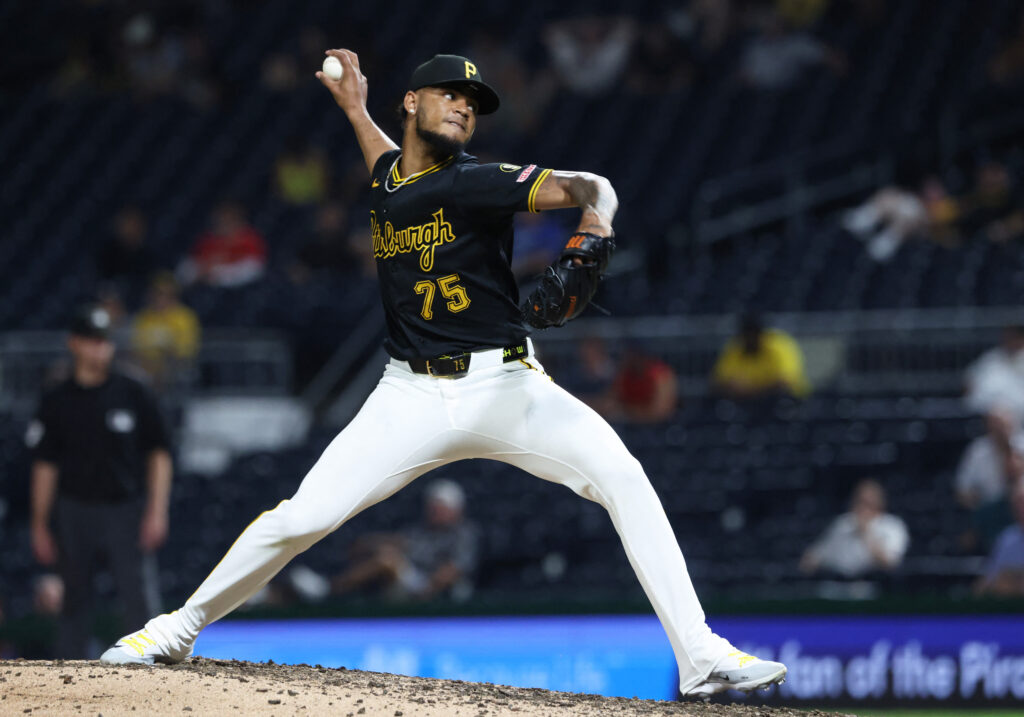
Pirates Designate Camilo Doval For Assignment After Deadline Move
Pittsburgh cut bait fast on a deadline pickup, reinstated Kirby Yates, and kept the bullpen carousel spinning. This is roster management with zero patience.