
Micah Parsons Trade: Jerry Jones Reopens the Herschel Walker wound
Dallas keeps reaching for mythology. The scar tissue is still there.
 Beatrice Kensington6 min read
Jerry Jones keeps pulling the same thread
Some comparisons are made for color. Others are made because the speaker cannot resist the gravity of his own history. Jerry Jones, owner and general manager of the Cowboys, did not merely mention the Herschel Walker trade after the Micah Parsons deal last year; he returned to it like a man revisiting a family altar, touching the same relic to see whether it still hums. That he has done so again tells you the move is not finished in Dallas, at least not in the way important decisions are ever finished there.
The Parsons trade to the Packers already belonged to the sort of transaction that can alter a franchise’s weather pattern. When a team sends away a player who was supposed to define an era, the accounting changes, yes, but so does the atmosphere in the building. Suddenly every win is measured against what was surrendered. Every defensive lapse, every thin edge at the line of scrimmage, every playoff disappointment gets audited against a star player now wearing someone else’s colors.
Jones invoking Herschel Walker is not accidental. The 1989 deal remains the most famous trade in NFL history because it helped set Minnesota back and launched Dallas into a dynasty. It is the rare transaction that still lives in the language of the sport, a shorthand for boldness, arrogance, and long-term consequence. To compare Parsons to that story is to say one of two things: either the Cowboys believe they know exactly what they are doing, or they hope the mythology will do the talking for them.
Why this comparison keeps landing in the same old dirt
Dallas has always been a team that speaks in epics and then has to live with the receipts. The Cowboys are not merely a football franchise; they are a public stage, an inheritance, a weekly referendum on identity. Jones understands this better than anyone. He has spent decades turning football decisions into civic theater, and the Parsons trade is the sort of move that invites a grand historical frame because it is impossible to discuss without one.
Parsons was not just another defender. He was the kind of player who bent protections, forced coordinators into uneasy mathematics, and gave the Cowboys a sense that even on ordinary Sundays, they possessed a weapon other teams could not fully scheme away. Trading that away is not the same as moving a left guard or a rotational corner. It is a philosophical statement. It says the team believes the future can be constructed more efficiently than it can be protected.
That is a dangerous wager in the NFL, where the margin between a clever front office and a foolish one is often a single pass rush in January. Dallas has long preferred the language of talent accumulation, yet talent is not the same as leverage. Parsons gave them leverage. His presence changed how opponents dressed their game plans. His absence changes how Dallas must survive them.
The Cowboys did not just trade a star; they traded certainty, and certainty is the hardest thing to buy back in this league.
The Packers got more than a headline
On the other side of the exchange, Green Bay did what smart franchises do when a rare player becomes available: it moved decisively. The Packers have spent the last several seasons trying to convert promise into permanence, trying to turn a young roster into something sturdier than a promising idea. Parsons fits that mission cleanly. He is the sort of addition that can change the emotional temperature in a locker room before he changes the scoreboard.
The Packers have lived in the long shadow of patience, waiting for their young core to mature and their identity to sharpen. A player like Parsons shortens all those timelines. He makes a defense more violent, more urgent, more difficult to ignore. He gives a franchise that has often relied on structure and continuity a more elemental advantage: the ability to wreck a play before it becomes one.
That is why Dallas’s retelling of the trade matters. If Jones keeps comparing it to Herschel Walker, he is conceding the scale of what was lost even while trying to frame the decision as historically consequential. Yet the original Walker trade worked because the Cowboys had the discipline to convert the haul into a coherent football machine. That is the part too many teams forget. A blockbuster trade does not become genius because it is audacious. It becomes genius because the second act is smarter than the first.
For the Cowboys, that is the burden now. If the Parsons deal is to be judged kindly, the return must become more than a pile of assets and optimistic press conferences. It must become structure. It must become depth. It must become October football that does not unravel in January.
Jerry Jones as historian, and as defendant
I have always believed Jones speaks about his team the way some men speak about their own biography: not merely to explain it, but to defend it against time. In my view, that is what makes the Parsons comparison so revealing. He is not only reaching for a precedent. He is trying to place himself inside the right side of it.
That instinct is understandable, even human. Owners are rarely judged kindly by the immediate aftermath of a franchise-altering trade. They are judged by the years that follow, when the glow fades and the consequences begin making rent. Jones knows that the Herschel Walker trade has cast a long shadow over Dallas for decades because it turned risk into reward. He also knows the inverse is true: a deal of this magnitude can brand a front office as reckless if the harvest never comes.
So when he reaches back to 1989, he is not merely making an analogy. He is placing a bet on memory. He is asking fans to remember that the Cowboys once turned pain into power. But memory is a tricky companion. It does not just preserve triumph; it preserves warning. For every franchise fairy tale, there is a cautionary version waiting in the rafters.
What this means now for Dallas
The Cowboys do not get to live inside the comparison forever. At some point, they must live with the roster. That is the part of the story that will matter in September, then December, then the cold arithmetic of the postseason. Can the defense keep its edge without Parsons? Can the offense carry more of the weight? Can the organization answer a star’s departure with something sturdier than rhetoric?
Dallas has spent too many years mistaking conversation for completion. The Parsons trade demands more than memory, and Jones’s latest invocation of Herschel Walker is a reminder that the Cowboys have entered one of those seasons where the franchise’s reputation, not just its record, is on trial.
I would not bet against the mythology of the Cowboys. I would, however, bet against any team that assumes mythology alone can rush the passer.
The next chapter will not be written in old comparisons. It will be written in snaps, gaps, and Sundays. And in Dallas, that is where the judgment always lands.
More from Straight From The Bench
Comments
Join the conversation — sign in to leave a comment.
Sign in to commentRelated Stories
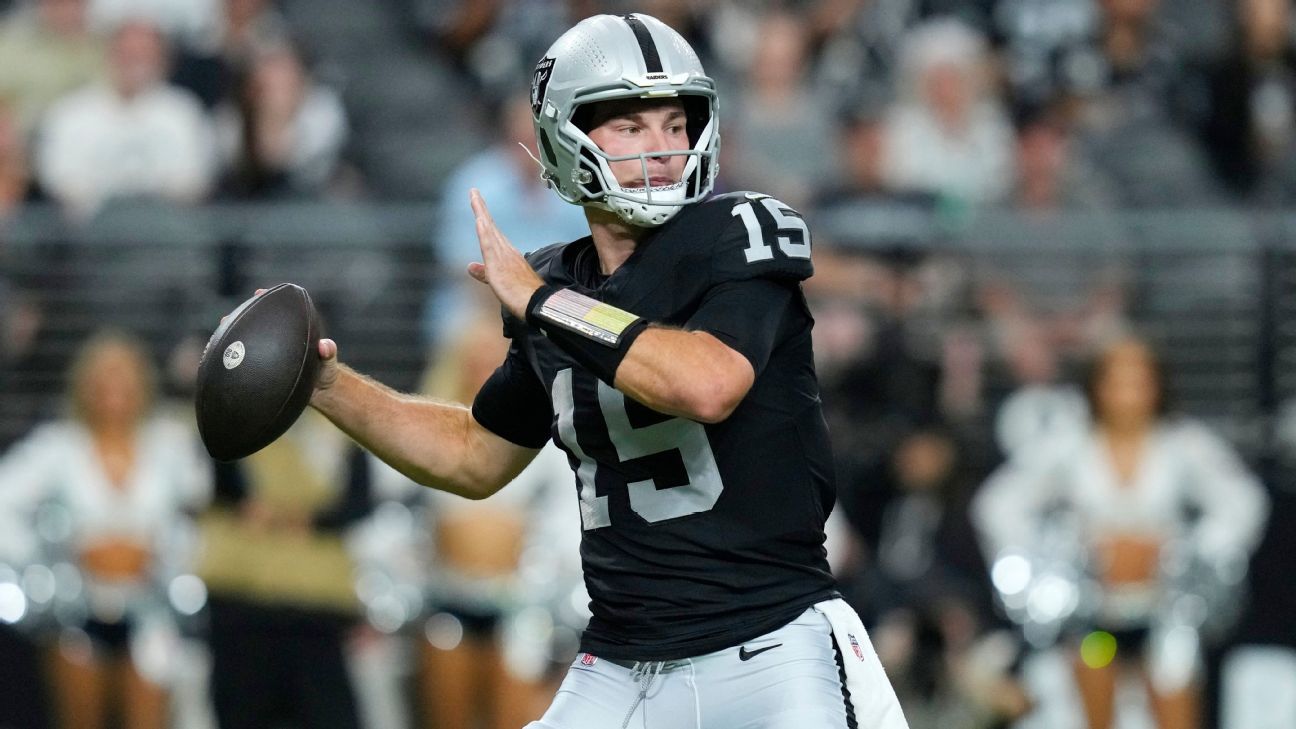
Raiders rookie Fernando Mendoza: 97-yard preseason debut
Fernando Mendoza’s first preseason run gave the Raiders a little something to chew on: 10 completions, a touchdown, and a few rookie stumbles. That’ll do for August.
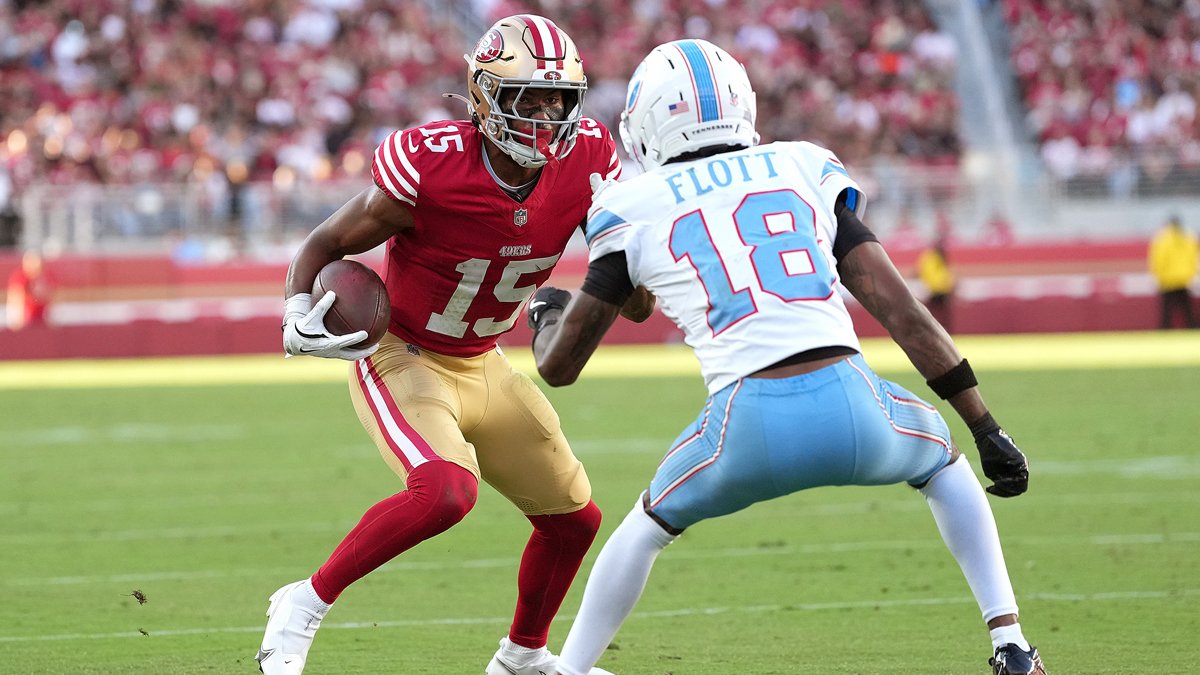
49ers preseason opener: De'Zhaun Stribling flashes in loss
De'Zhaun Stribling showed up fast for the 49ers, piling up seven catches for 63 yards in his preseason debut. For a team always mining the bottom and middle of the roster, that matters.

Drew Allar Steelers Preseason Debut: 3 Touchdowns in 3 Drives
Drew Allar didn’t merely survive his preseason debut — he shaped it. Three drives, three touchdowns, and a reminder that Pittsburgh may have found more than a camp arm.